
Ghost Shield Film installs professional ceramic coating for drivers in Thousand Oaks, Westlake Village, Camarillo, Moorpark, Simi Valley, Malibu, and Calabasas. Ceramic coating adds gloss and hydrophobic properties to your vehicle so washing stays fast, and the finish stays cleaner for a long time.
- Phone: 805.402.8298
- Hours: 8 AM to 5 PM (Weekdays)
Ventura County’s First Paint Protection Film Shop
Table of Contents
- Before and After Gallery + Reviews
- Overview: What Is Ceramic Coating
- Benefits and Limitations
- Cost and Packages
- How Long Does Ceramic Coating Last?
- Maintenance and Care
- Ceramic Vs. Wax, Sealant, PPF, and Graphene
- Is Ceramic Coating Worth It?
- DIY Vs. Professional
- Application Process (Short How-to)
Before and After Gallery + Reviews
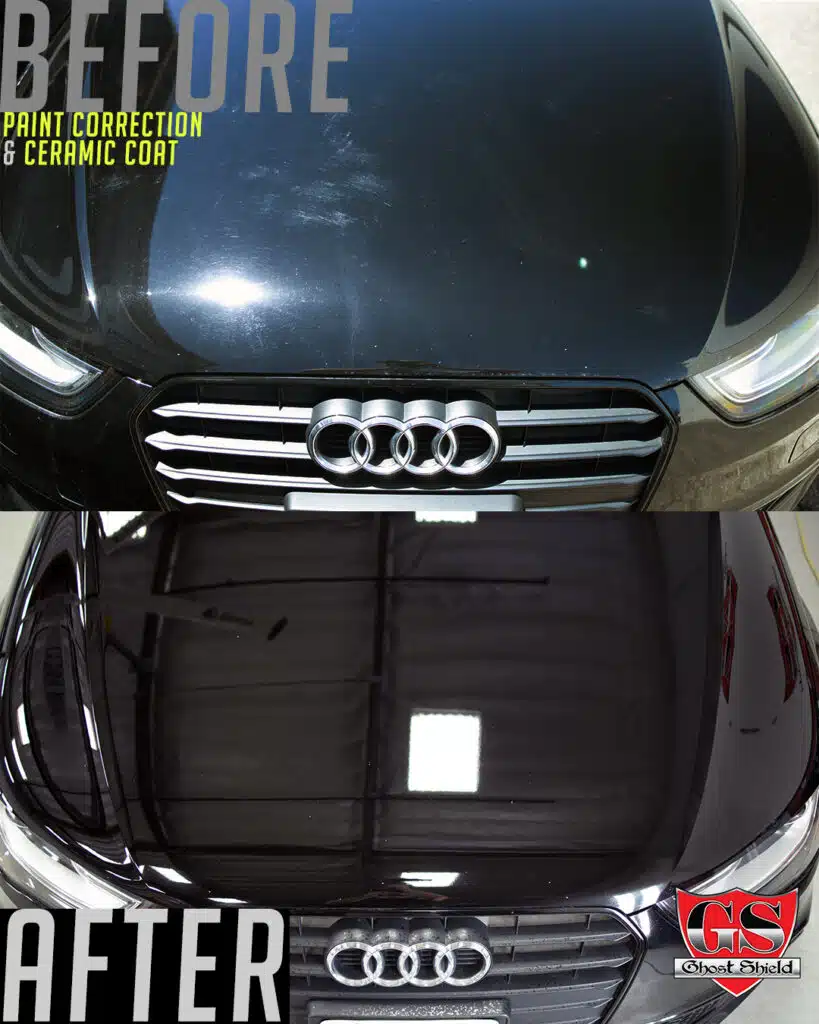
Ceramic coating produces a gloss and hydrophobic finish that pushes water off the surface with strong beading and fast sheeting. Paint looks bright under light, and reflections appear sharp. Drivers often compare corrected panels to uncorrected surfaces and see a clear difference right away.
Gallery highlights:
- 50/50 correction panels
- Water sheeting during rinsing
- High gloss cure examples
- Before correction vs after correction
Overview: What Is Ceramic Coating?
Ceramic coating is a liquid product that uses nanotechnology to create a clear protective layer on your vehicle’s surface. When the nanoparticles settle into the paint, they seal microscopic pores to produce a glossy, hydrophobic, and UV-resistant finish.
The nano-layer forms a semi-permanent bond with the vehicle, creating a protective barrier. Each formula contains synthetic protection agents that guard the surface from contaminants and add noticeable gloss and shine. These coatings are considered semi-permanent because removal requires polishing with abrasive compounds or years of natural wear.
If you can buy ceramic coatings on Amazon or through online stores, it might seem easier and cheaper to apply them yourself. The problem is that DIY applications carry real risks unless you have extensive detailing and paint-correction experience.
Features:
- UV and heat resistance
- High-gloss appearance
- Simple washing
- Long durability
Learn more: Ceramic Coating
Benefits and Limitations
- Benefits
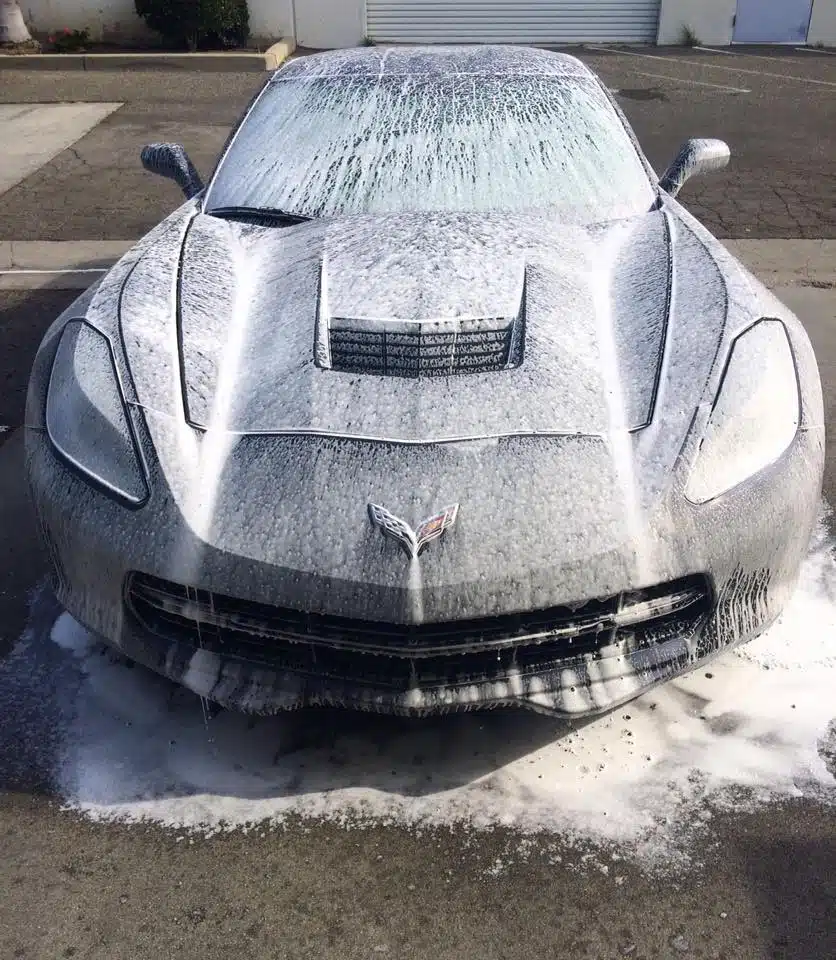
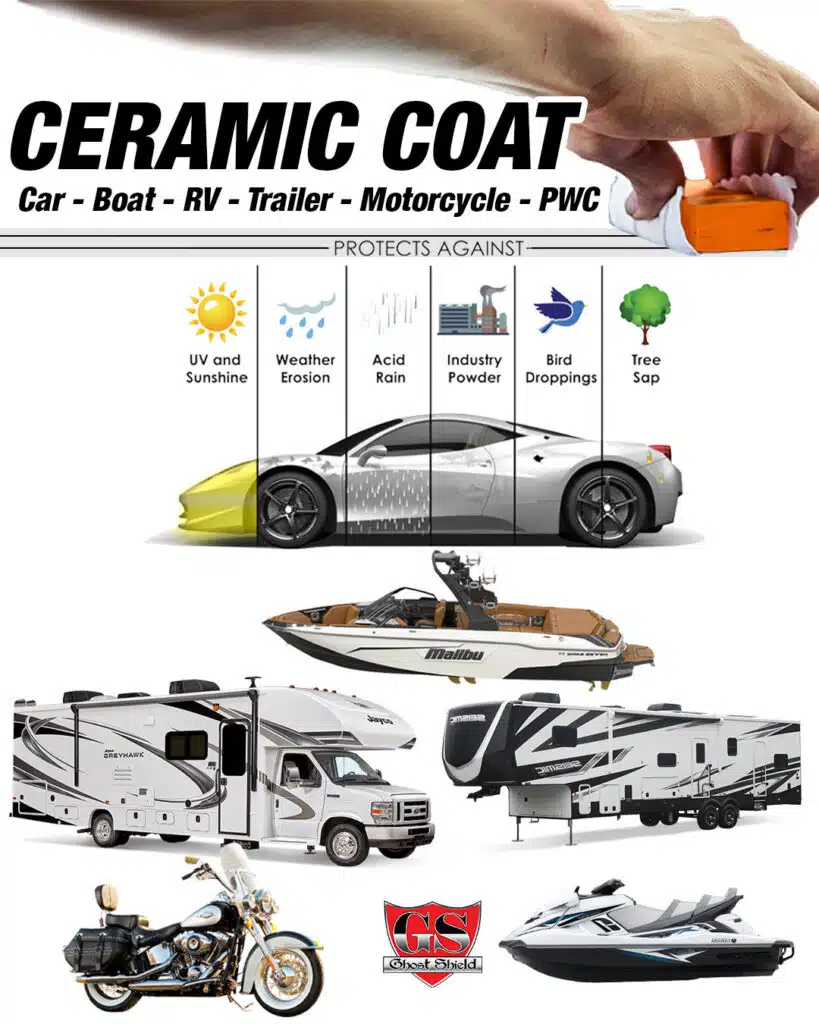
Ceramic coating adds gloss and keeps the finish looking sharp for years. The hydrophobic effect means dirt is carried away during rinsing so regular washes stay shorter. UV protection keeps the color bright, which helps retain value. Chemical resistance helps block fallout and bird droppings from bonding to paint.
- Limitations
Ceramic does not defend against physical chips or hard scratches. It still requires controlled application, proper cure time, and a basic wash routine. It cannot solve deep paint defects without correction first, and it needs the right environment during installation.
Cost and Packages
Pricing varies based on vehicle size, paint condition, and the coating tier selected. Sedans typically fall on the lower side, while large SUVs with thicker prep needs fall on the higher side. Coatings with stronger warranties or multiple layers move pricing upward.
Typical price ranges:
- Sedans: $995 to $1,500
- Crossovers: $1,200 to $1,800
- Full-size SUVs and trucks: $1,500 to $2,500
What affects pricing changes:
- Paint correction time
- Number of layers
- Warranty tier
- Prep condition
- Professional care environment
Professional coating costs more upfront but delivers long-lasting gloss and protection, so yearly detailing bills usually stay lower.
How Long Does Ceramic Coating Last?
Ceramic coatings perform for two to five years in real outdoor exposure. More potent formulas remain active longer, and multi-layer systems hold up against coastal sun for extended periods. Warranty length depends on the brand and package chosen.
Longevity expectations:
- 2 years: Entry ceramics
- 3 to 5 years: Pro multi-layer
- 7+ years: Premium tier
Coatings age more slowly with proper washing and occasional boosters, which is why many drivers treat the coating as a long-term investment.
Maintenance and Care
Ceramic needs quick attention during its first weeks and a consistent wash routine later. pH-neutral shampoos avoid harsh film breakdown. Decontamination should be performed a few times per year to maintain strong performance. Toppers refresh slickness and retain hydrophobic behavior.
Simple routine:
- Wait before the first wash
- Use pH-neutral cleaning
- Avoid automatic brushes
- Use a microfiber drying towel
- Add boosters several times per year
- Decon wash a few times per year
Ceramic Coating Vs. Alternatives
Ceramic Vs. Wax and Sealant
|
Feature |
Ceramic |
Wax or Sealant |
|
Longevity |
2 to 5 years |
Weeks to months |
|
UV strength |
High |
Moderate |
|
Gloss |
Strong |
Good |
|
Cleaning |
Easy |
Requires frequent upkeep |
|
Cost |
Higher upfront |
Low upfront |
Ceramic Vs. PPF
Ceramic raises gloss and reduces wash effort while PPF protects against impact, such as rock chips and road debris. Many owners protect high-impact areas with PPF and then coat the rest to keep gloss uniform.
Ceramic Vs. Graphene
Graphene names describe enhanced ceramic blends. Graphene may help with slickness and water spotting, yet results depend on prep and brand. It behaves as an upgrade more than a new category.
Is Ceramic Coating Worth It?
Ceramic coating appeals to drivers who value clean paint and long-lasting gloss. It also appeals to those who dislike reapplying wax many times each year.
Ceramic adds value for coastal climates because UV exposure stays high. When combined with PPF on front sections, the vehicle gains both visual and physical protection. Many resale buyers respond positively to ceramic because the paint looks fresh.
Drivers who wash often love ceramic because rinsing becomes faster. Dirt slides away during washing and drying becomes quick. Ceramic is also attractive for newer vehicles because it preserves color and depth during the first years of ownership.
DIY Vs. Professional
DIY kits look simple, yet proper prep demands experience. Paint correction mistakes expose the clear coat, so working without knowledge risks expensive repairs. Professional installers prepare surfaces inside controlled spaces with intense lighting and clean air so coating flashes and cures as intended.
DIY is acceptable for:
- Older vehicles
- Budget builds
- Limited correction
Professional installation is safer for:
- New vehicles
- Luxury paint systems
- Multiple correction stages
- Long-term ownership
Application Process (Short How-to)
Step 1: Vehicle Prep
- Complete exterior wash and decontamination so the surface stays clean before correction
- Removal of road film and fallout so the coating bonds to a smooth surface
Step 2: Paint Correction
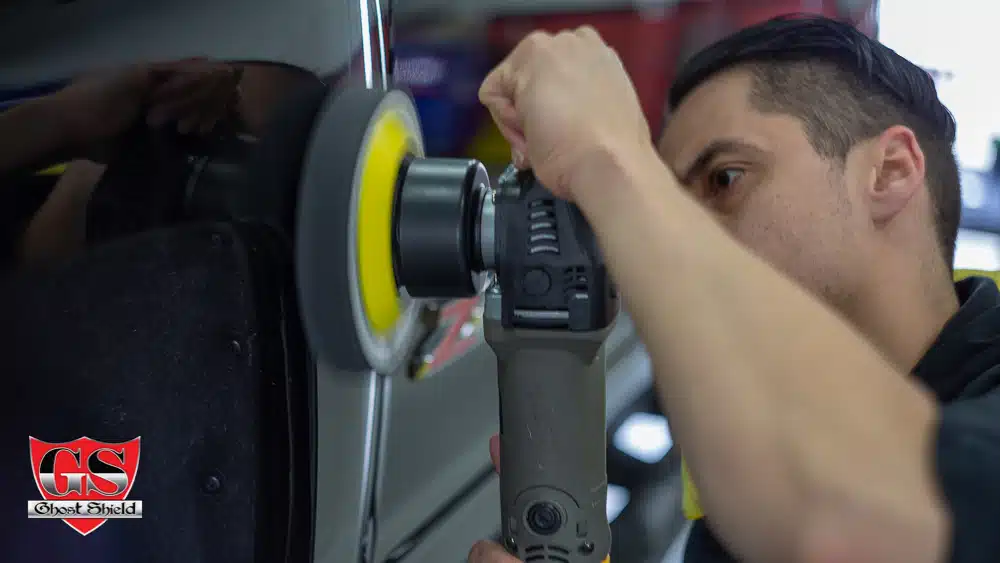
- Controlled polishing inside a clean space with bright lighting
- Removal of light scratches, swirls, and oxidation so gloss improves before coating
Step 3: Ceramic Application and Cure
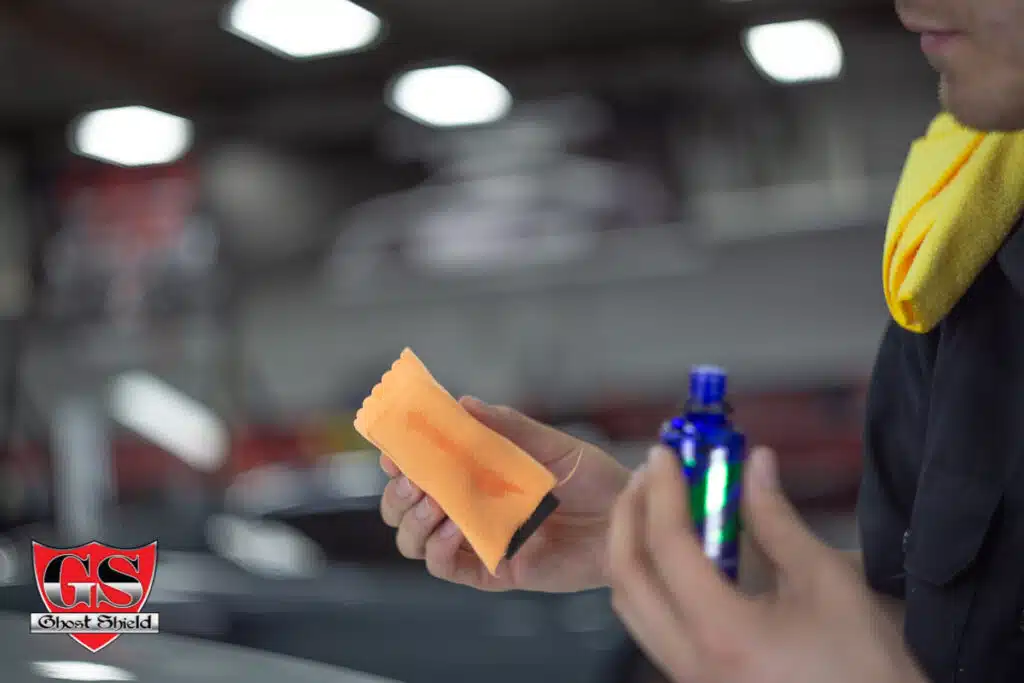
- Application and leveling during the flash window
- Protected indoor cure to build durability and a high-gloss finish
Ceramic coating delivers long-lasting gloss and hydrophobic strength. This helps reduce wash time and keeps surfaces bright. When combined with paint correction and PPF on high-impact zones, you gain a finish that looks sharp for years.