
Window Tint in Thousand Oaks, CA

Professional Car Window Tint Services in Thousand Oaks
Ghost Shield Film offers expert window tinting in Thousand Oaks for sedans, SUVs, trucks, and luxury cars. We ensure the film fits cleanly on your side windows and rear glass.
Our expert team will help you select the right film type and shade for your specific vehicle and driving habits.
You can choose between standard or ceramic window tints depending on your priorities. Ceramic film is an excellent choice if your car sits in the sun often, you frequently drive in bright conditions, or you want maximum comfort on longer trips. We carefully tint rear glass, side windows, and applicable portions of the windshield with attention to detail.
- Standard and ceramic tint options.
- Side glass and rear glass coverage.
- Clean film fits on each vehicle.
- Tesla, truck, SUV, and sedan tint.
Get A Quote Today
Window Tint Near Me
If you’re searching for window tinting nearby, Ghost Shield Film is conveniently located in Thousand Oaks near ZIP code 91320.
You won’t have to travel far for experienced, local installers. We also regularly serve drivers from Newbury Park, Moorpark, Camarillo, Oak Park, Lake Sherwood, Calabasas, Oxnard, and Hidden Valley.
Address: 1168 Tourmaline Dr, Thousand Oaks, CA 91320
Phone: (805) 402-8298
What Is Automotive Window Tint?
Automotive window tint is a thin, durable film applied to the inside of your car’s windows. It sits directly on the glass and filters sunlight before it can enter your vehicle. This simple layer helps reduce glare, cuts down on interior heat buildup, and blocks the vast majority of harmful UV rays.
Different types of window film exist, including dyed, carbon, and ceramic options, and each affects how much heat and light passes through your windows. It’s worth noting that a window tint is specifically designed for glass, while a paint protection film serves a different purpose for your car’s painted surfaces.
Our Automotive Window Tinting Services
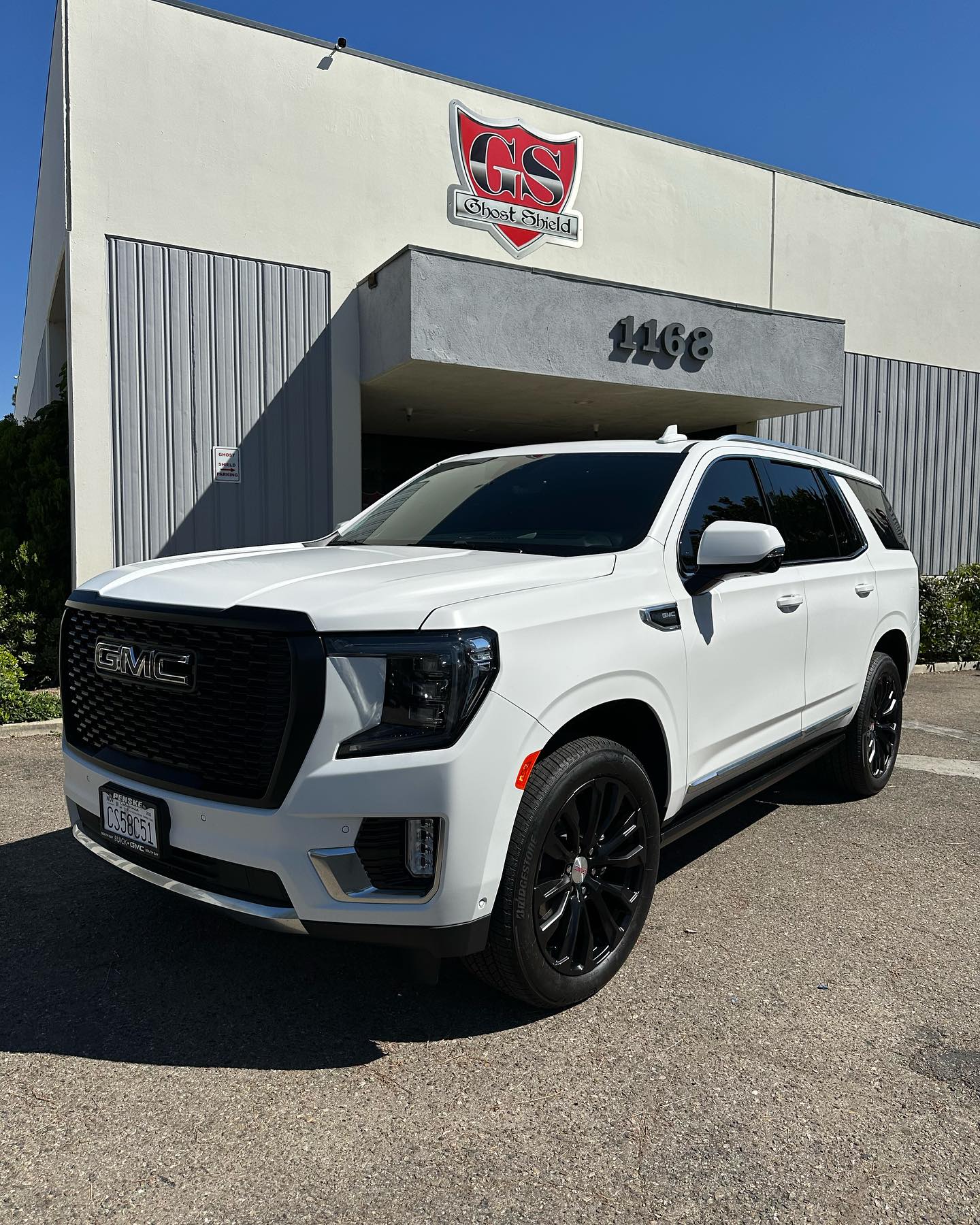
At Ghost Shield Film, we offer window tinting in Thousand Oaks designed to enhance your vehicle’s appearance, improve driving comfort, and provide lasting everyday protection. You can choose between two primary film types.
Standard tint delivers darker glass and reduced glare at an accessible price point, while ceramic tint is the premium upgrade if you prioritize superior heat and UV protection, plus it won’t interfere with your phone, GPS, or radio signals.
- Reduces glare and eye strain while driving
- SPF protection from harmful UV rays
- Signal-safe film for phone, GPS, and radio
- Lifetime manufacturer warranty coverage
Window Tint Options at Ghost Shield Film
We offer two distinct types of window tints, allowing you to choose the level of heat protection that fits your needs, since both standard and ceramic tints use non-metal film construction. Our team will help you select the right shade and film type for your vehicle and driving patterns.
Standard Tint
-
List Item #3
Standard tint is a dyed film with a non-metal design that provides a darker, factory-style appearance. It’s an excellent choice if you want your car to look cleaner, reduce glare noticeably, and receive solid UV protection, all at a more accessible price point than ceramic.
- Dyed Window Tint (Non-Metal)
- Reduces glare, enhancing visibility and reducing eye strain
- Blocks solar heat radiation to keep your vehicle at a comfortable temperature
- Provides SPF 500 protection that effectively blocks over 99% of harmful UV rays
- Lifetime Manufacturer’s Warranty
-
-
Ceramic Tint
-
List Item #3
Ceramic tint incorporates nano-ceramic particles into the film, allowing it to block significantly more heat and UV radiation. It’s the ideal choice if you want maximum heat protection, even when selecting lighter tint shades that maintain a more subtle appearance.
- Nano-Ceramic Film (Non-metal)
- Superior heat, infrared, and UV rejection
- Provides SPF 1,000 protection
- Blocks over 99% of harmful ultraviolet light, including UVB and UVC
- Provides heat and UV protection even with lighter shades of tint
- Signal enabling technology means phone, GPS, and radio are not inhibited by tint
- Lifetime manufacturer’s warranty
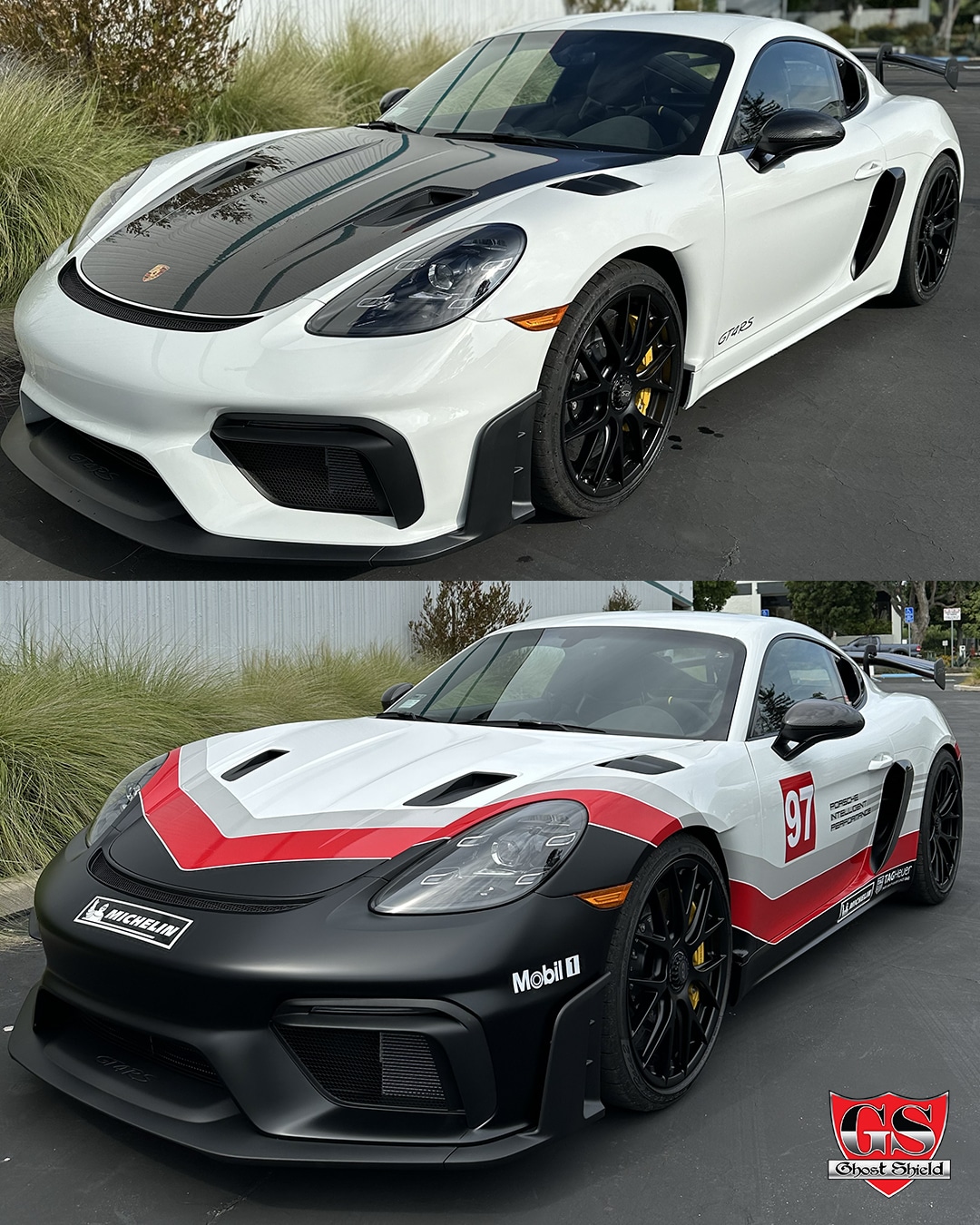
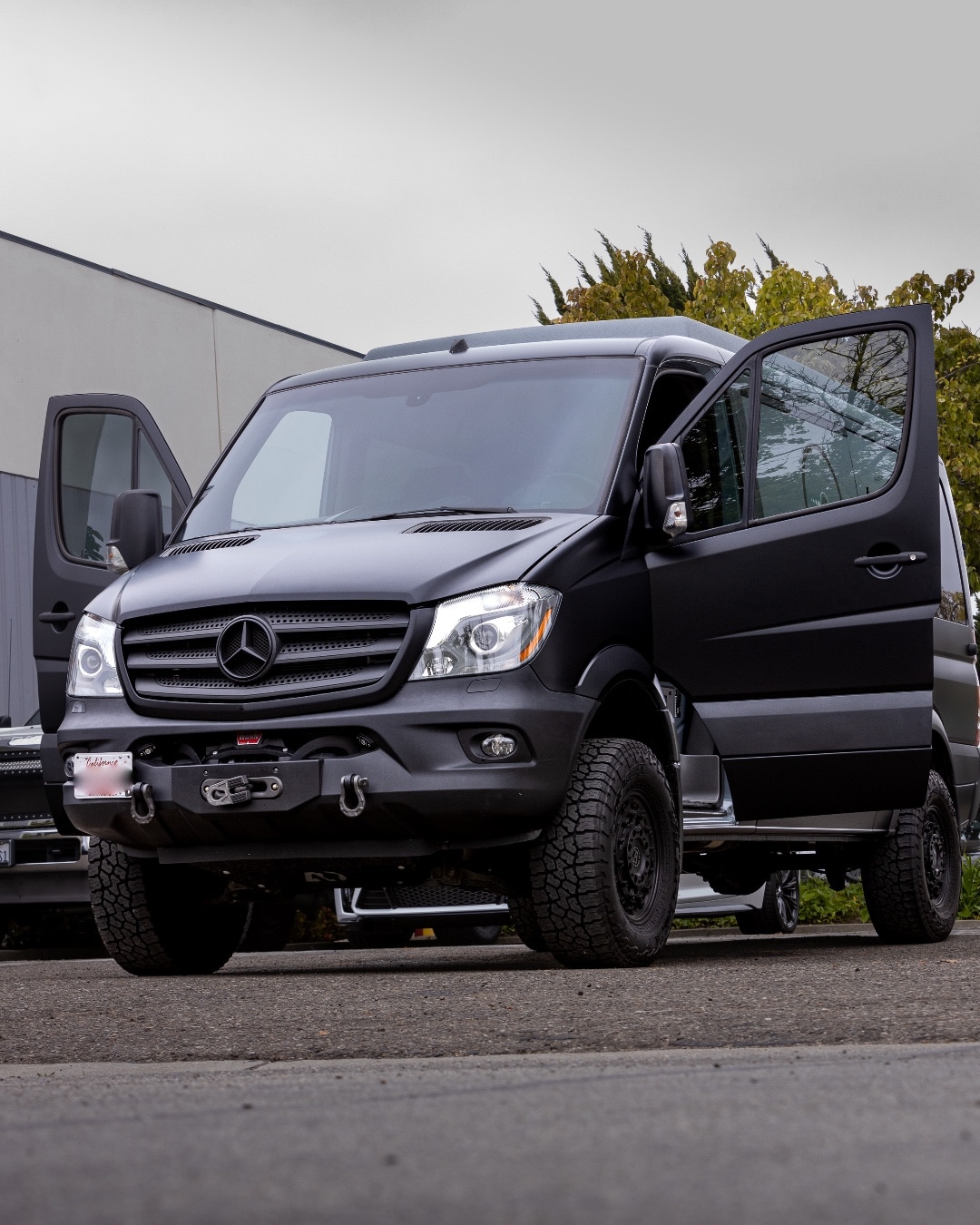
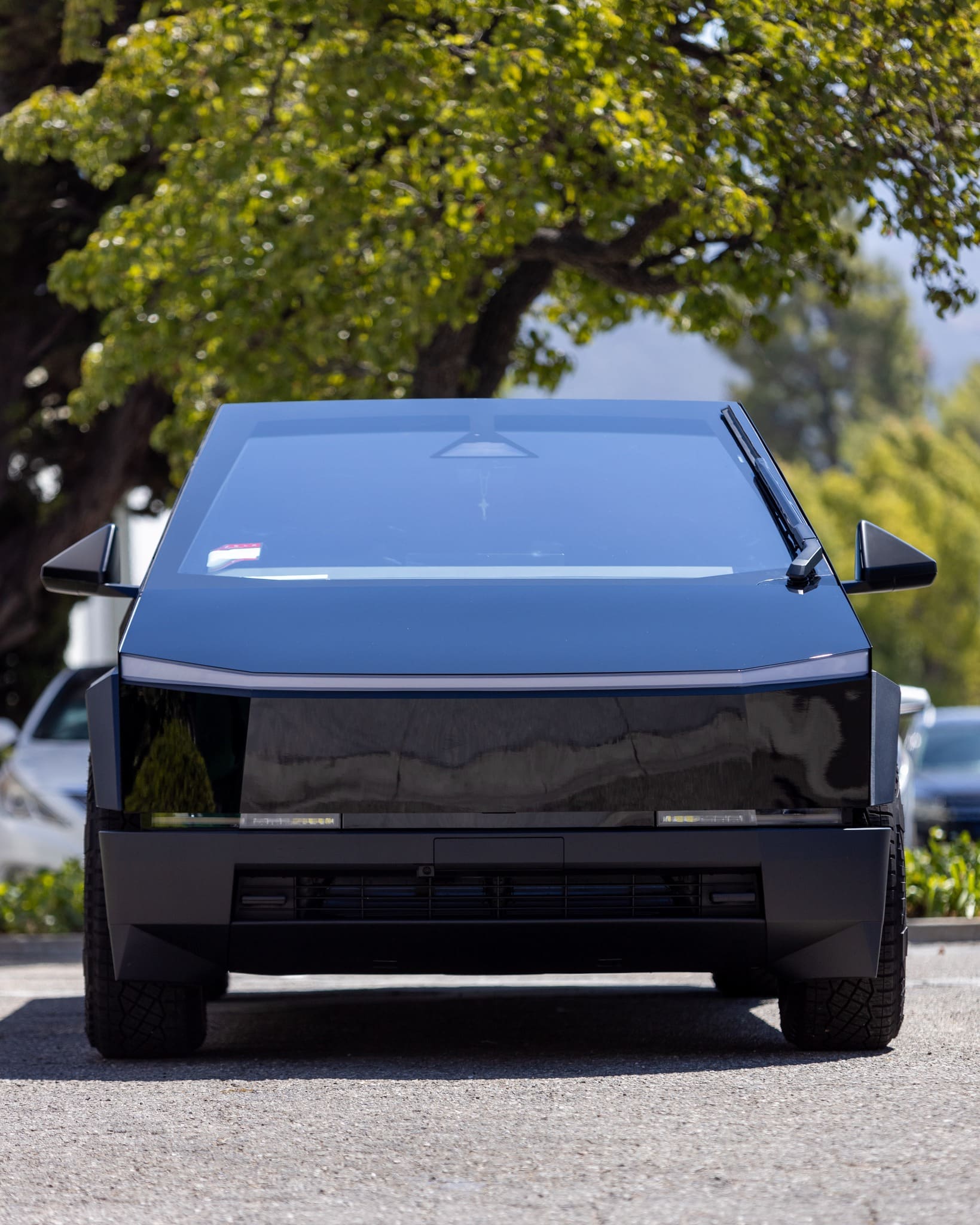
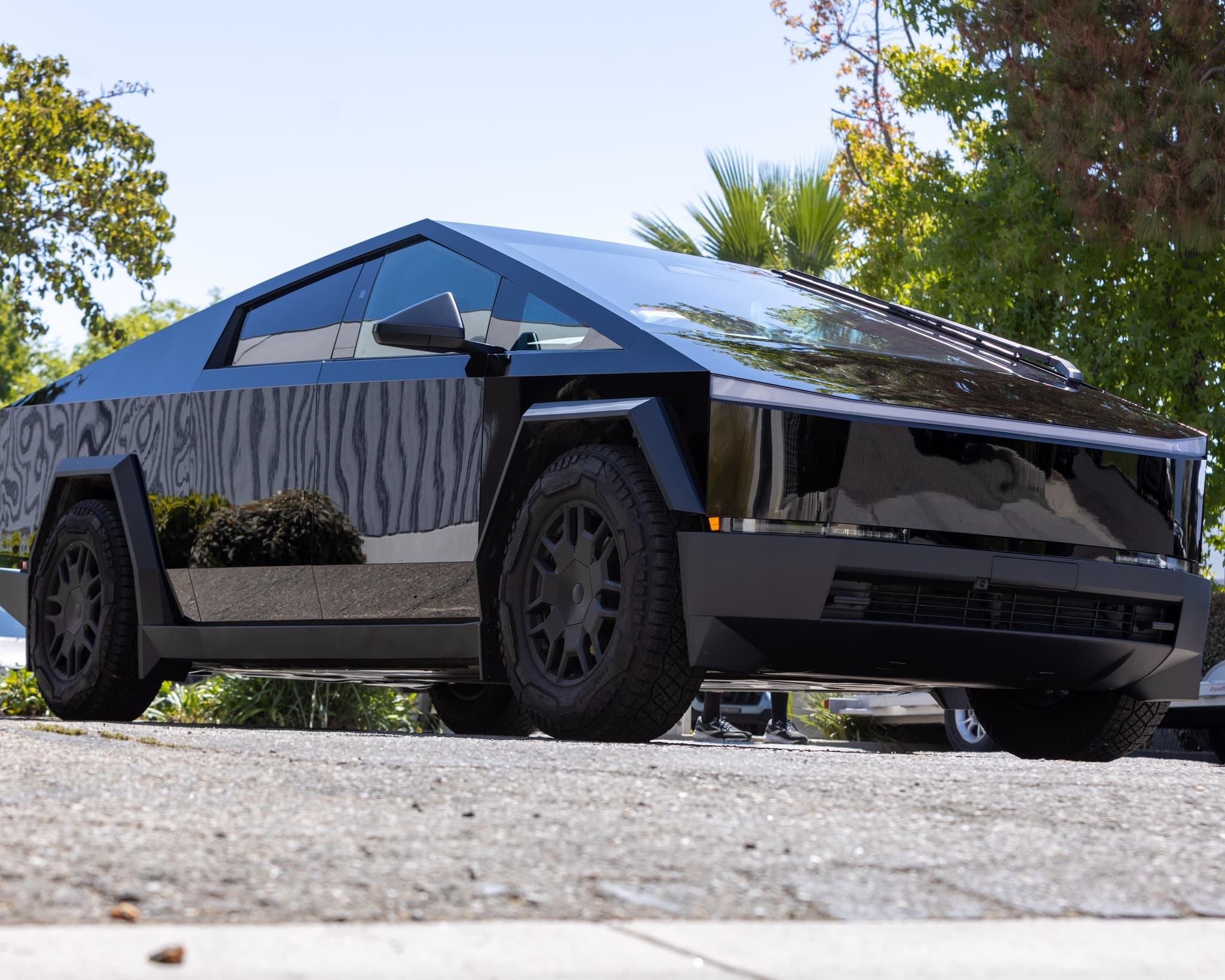
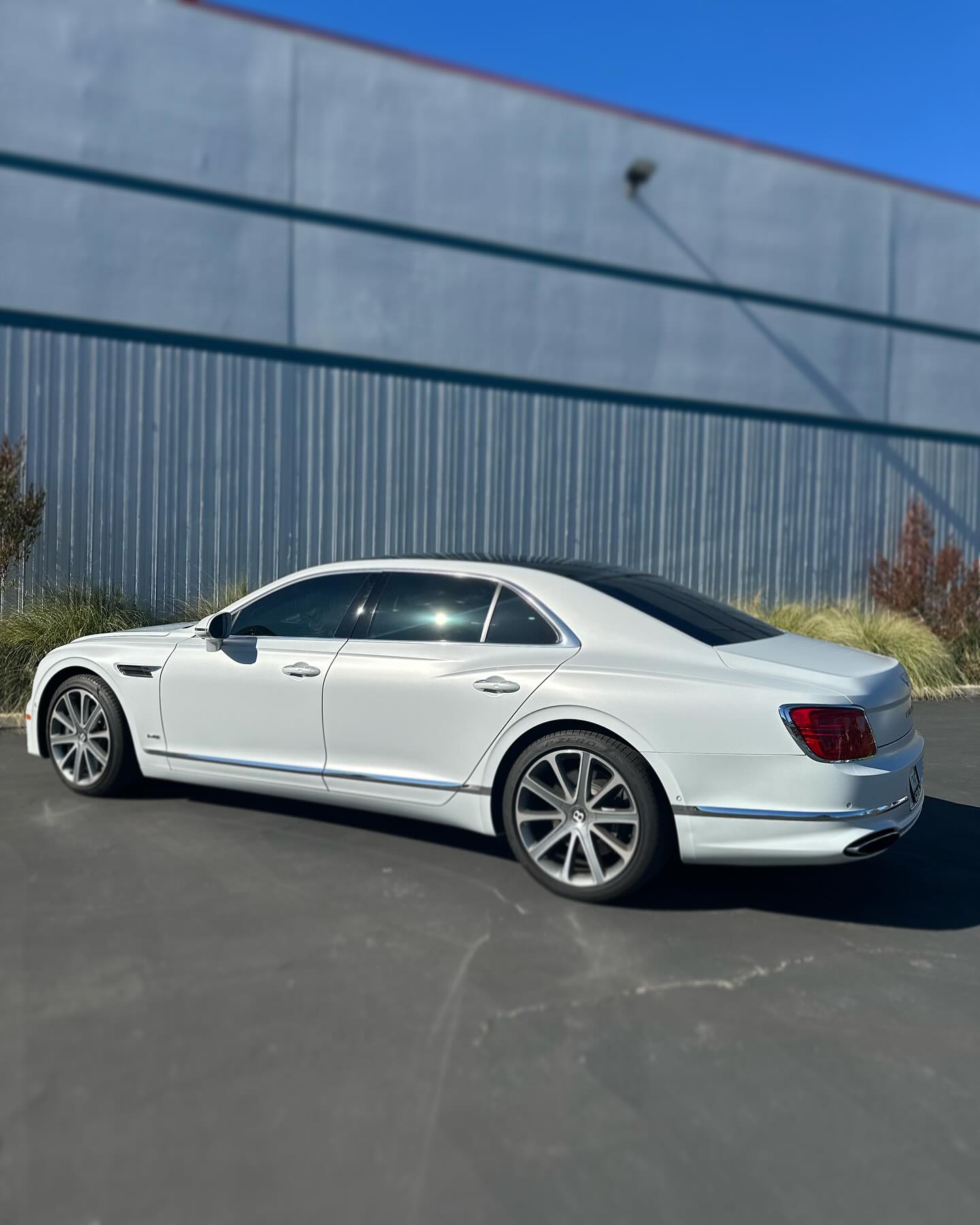
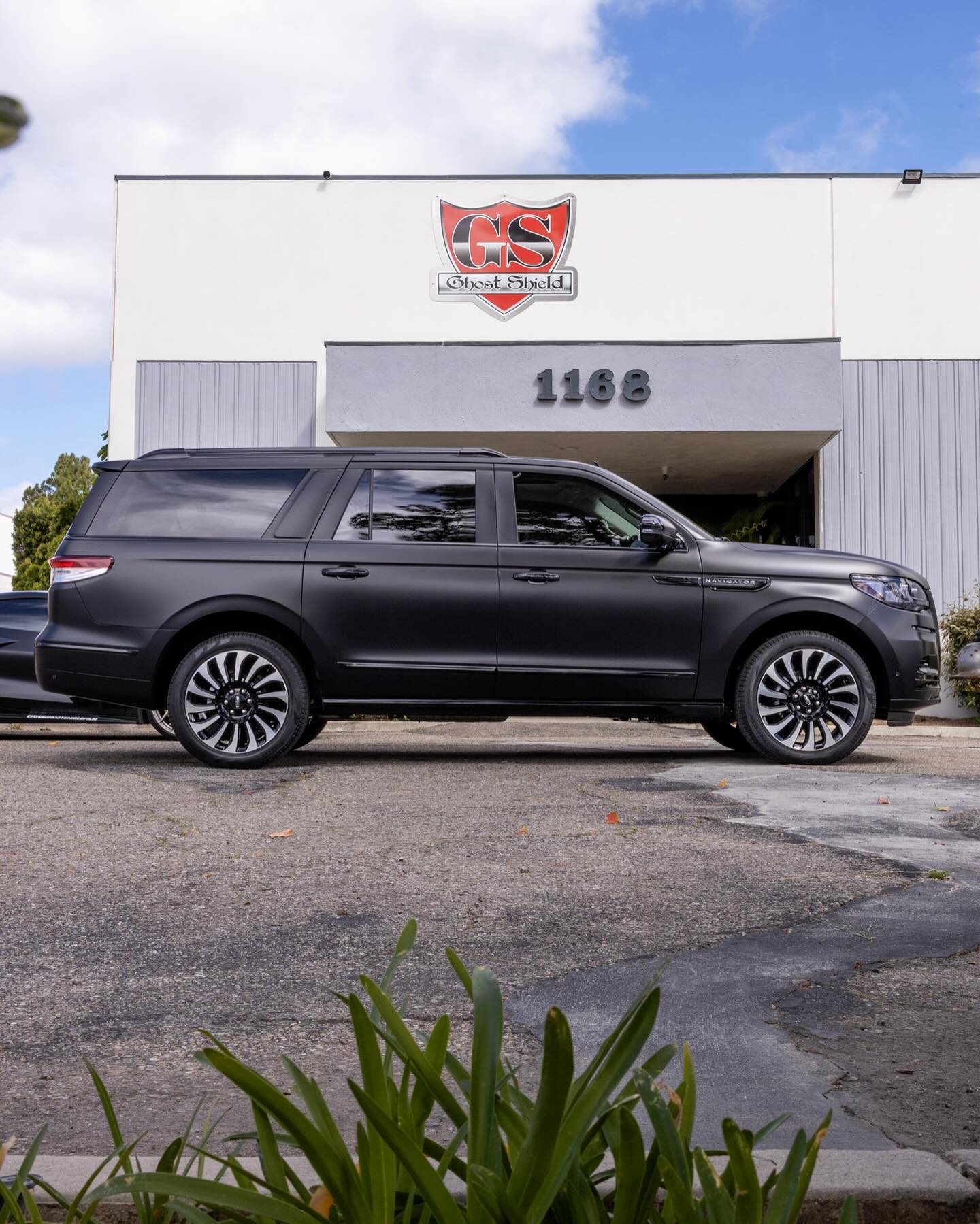
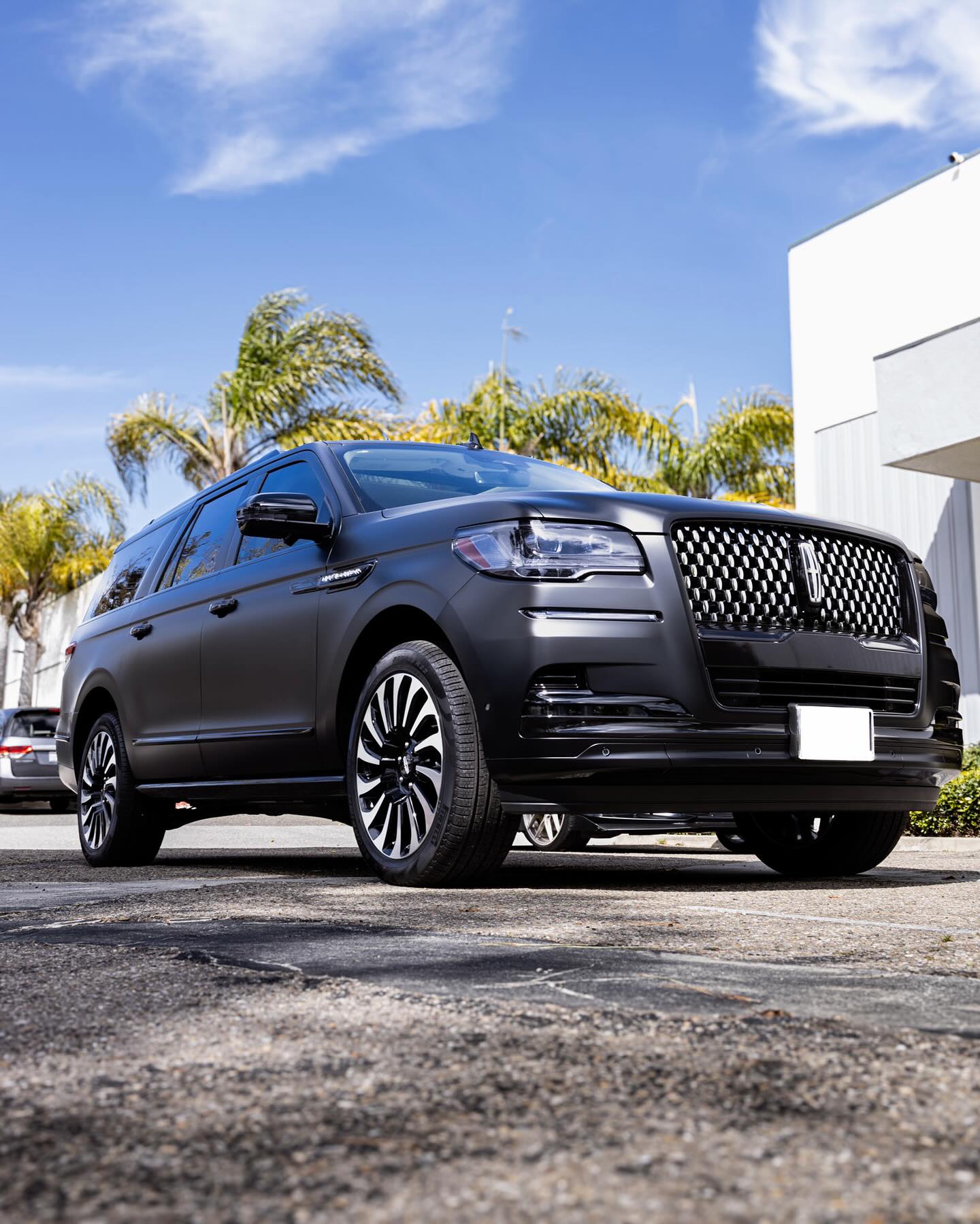
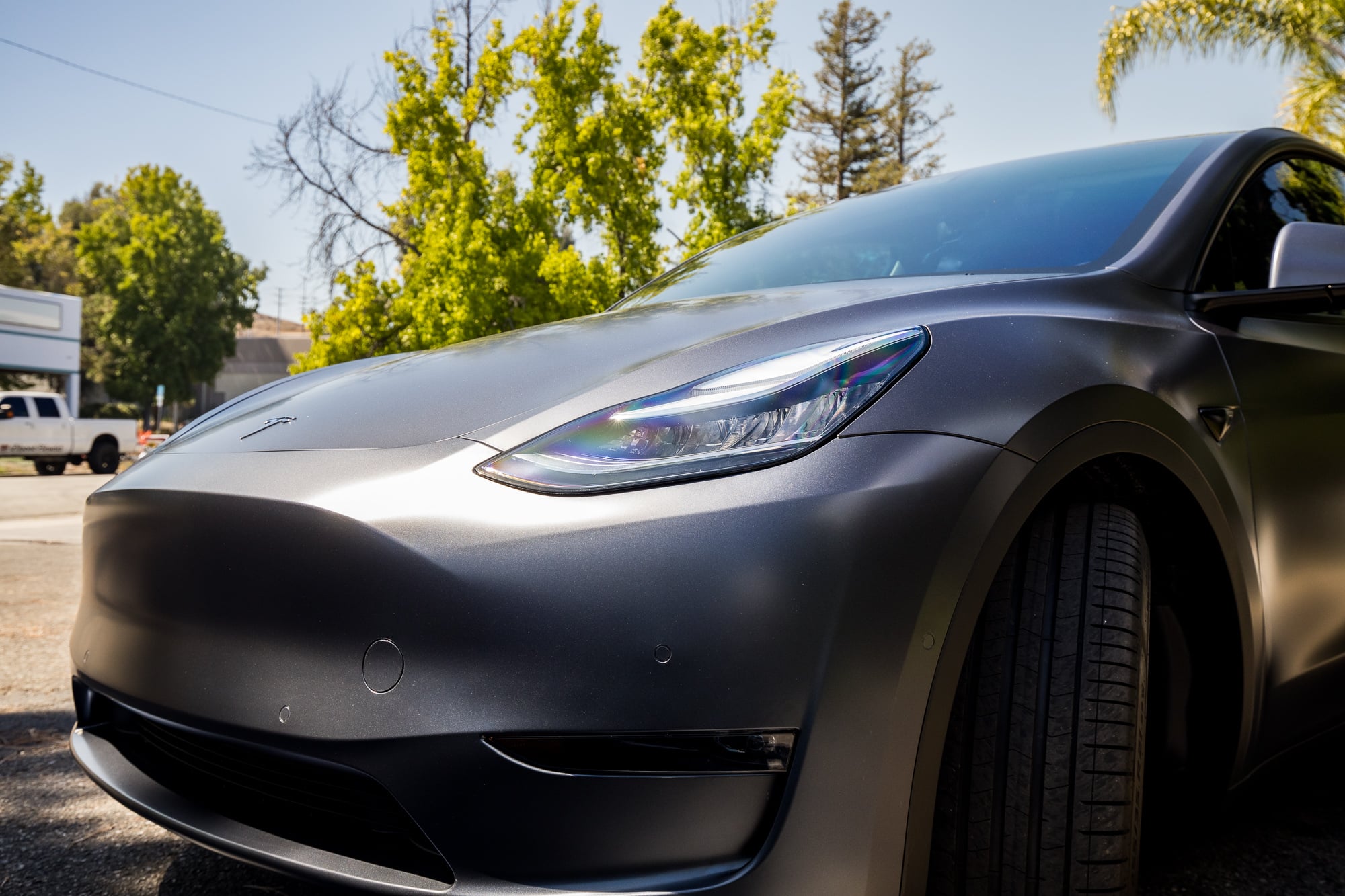
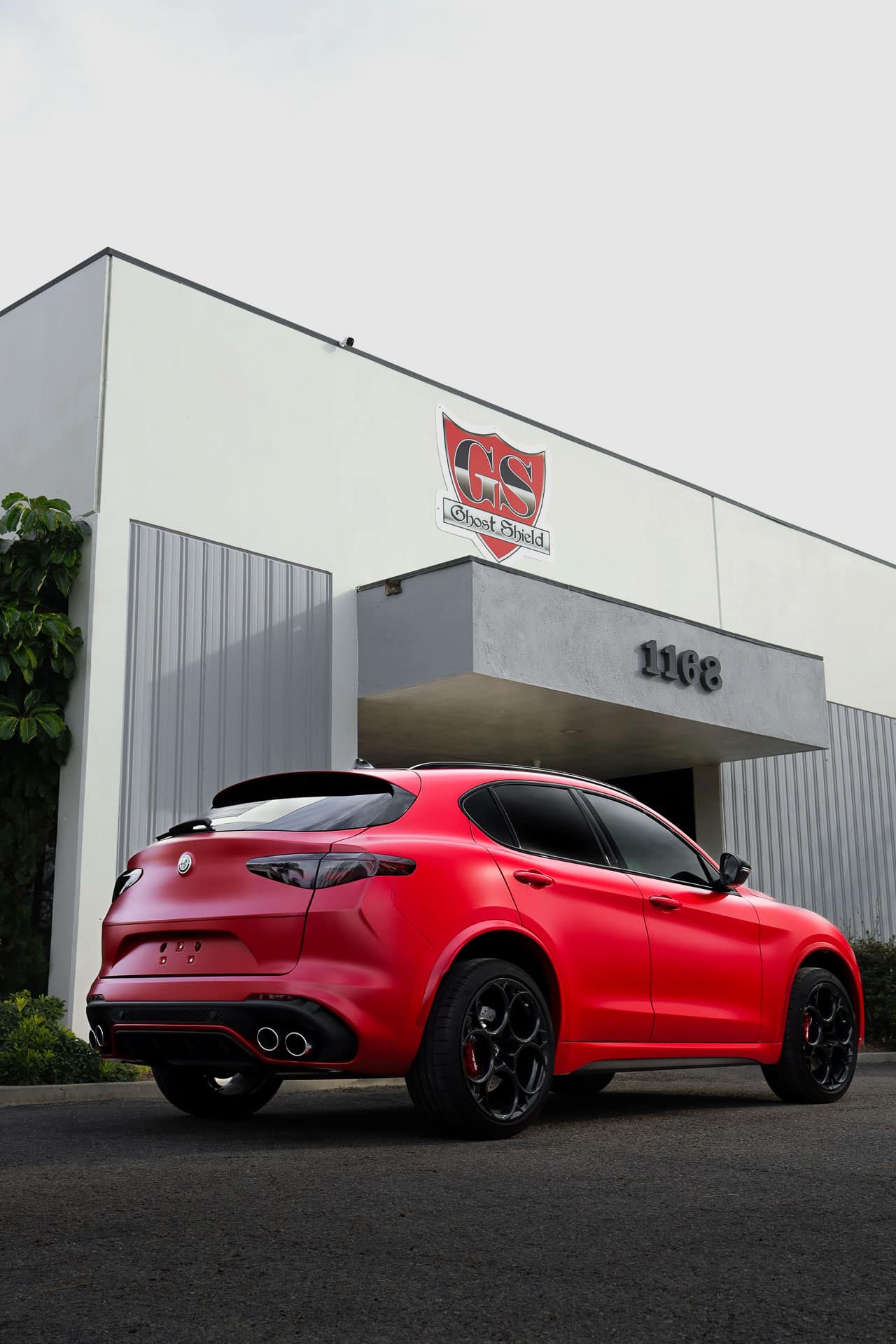
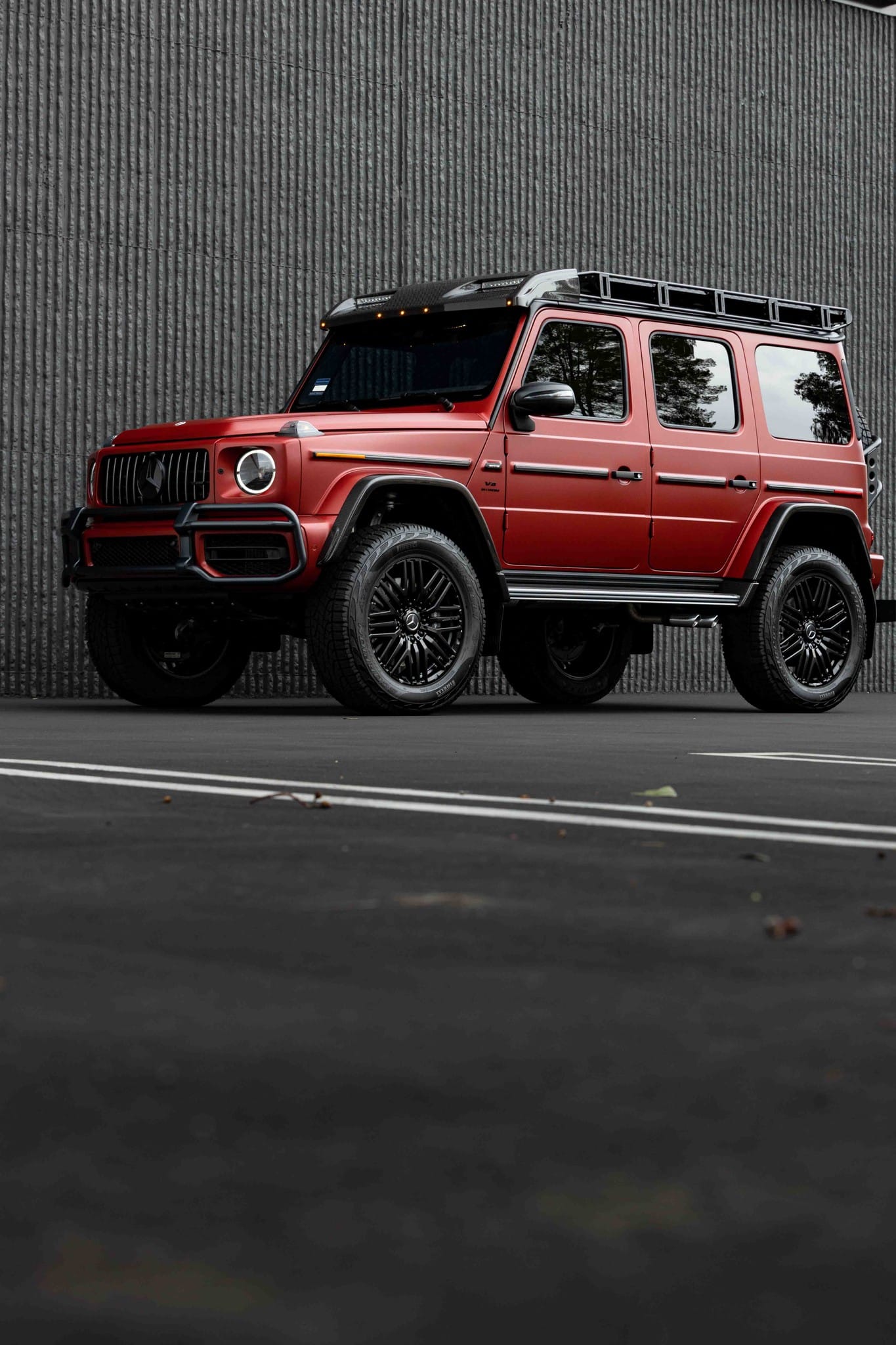
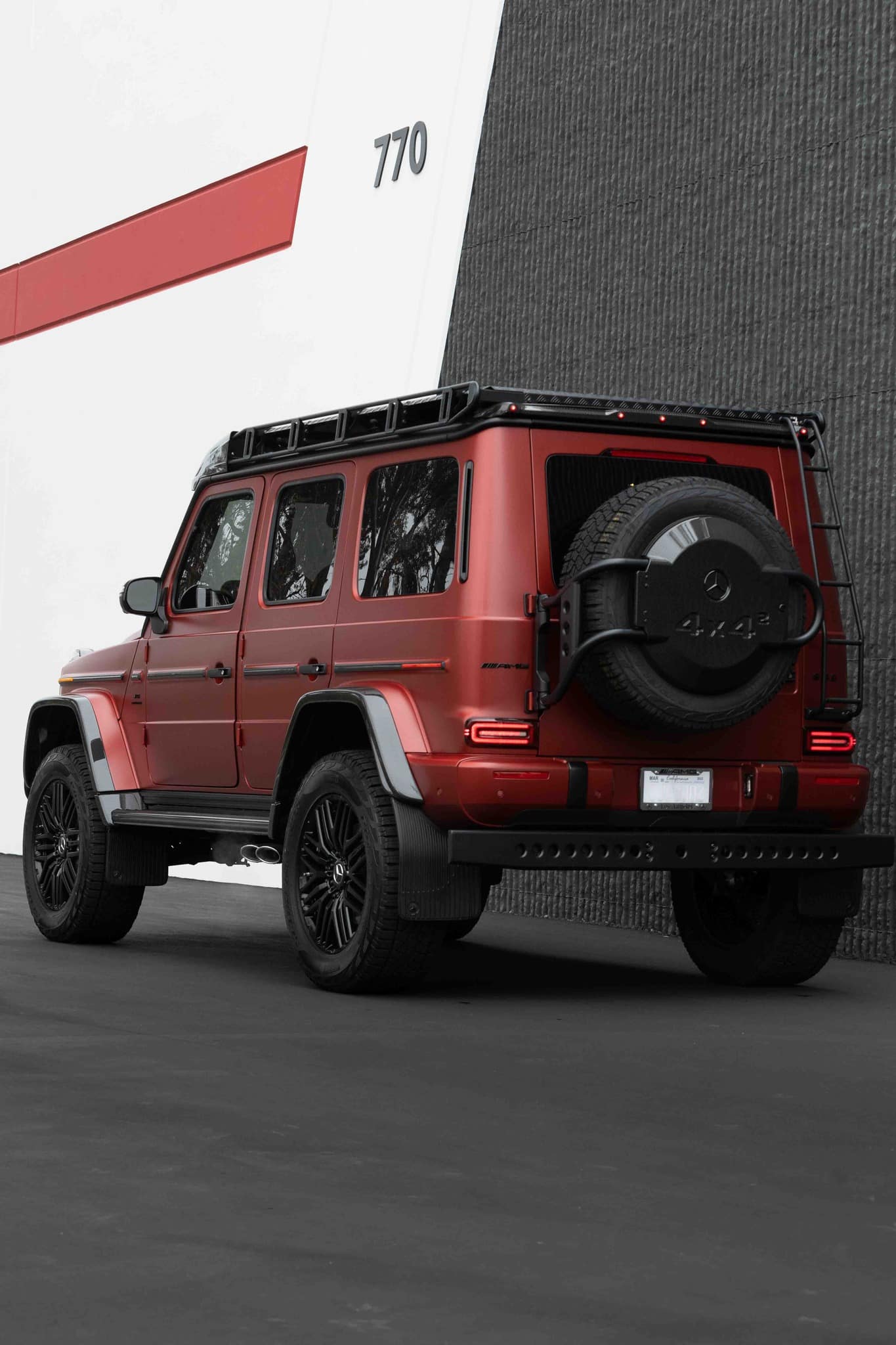
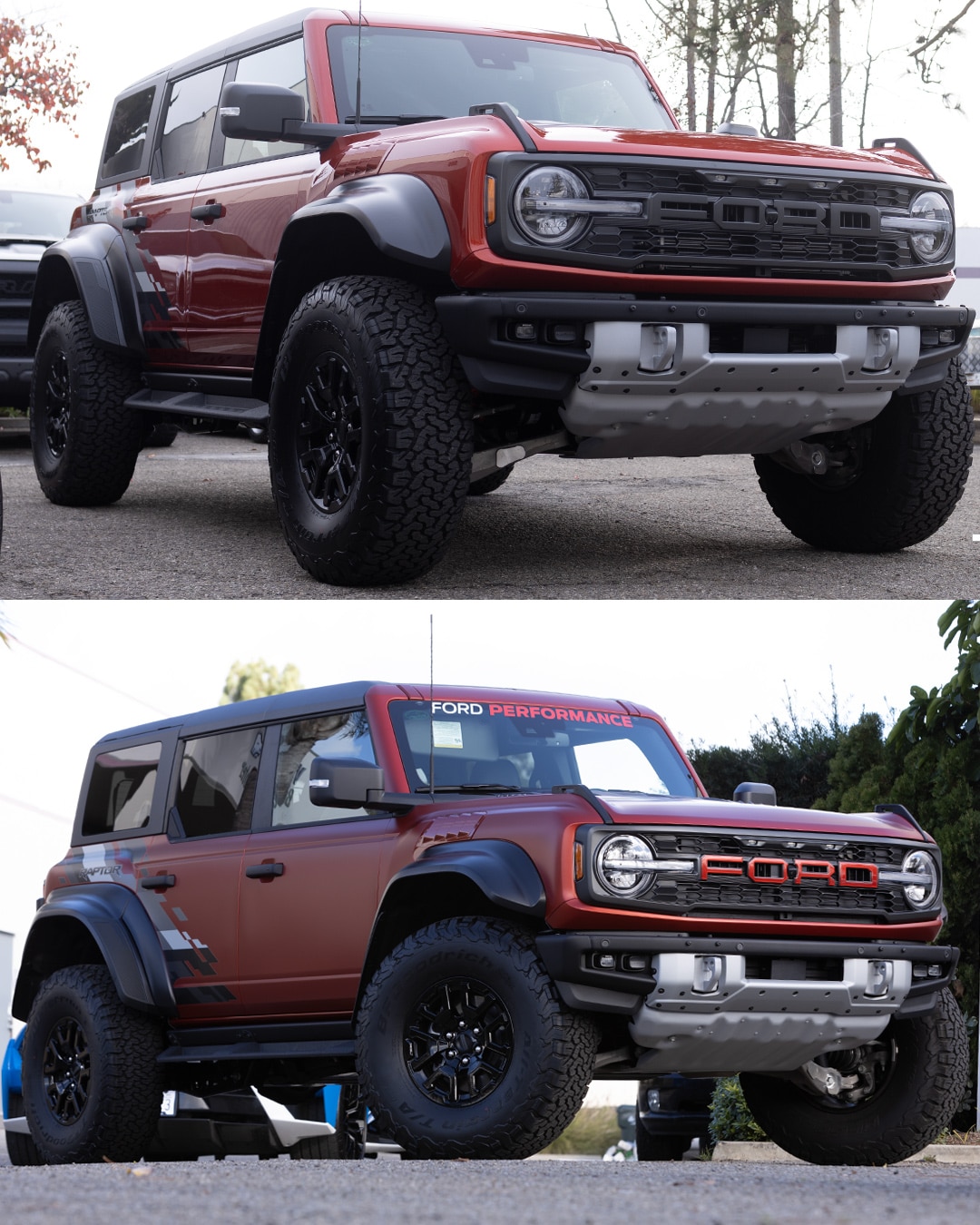
Our Work
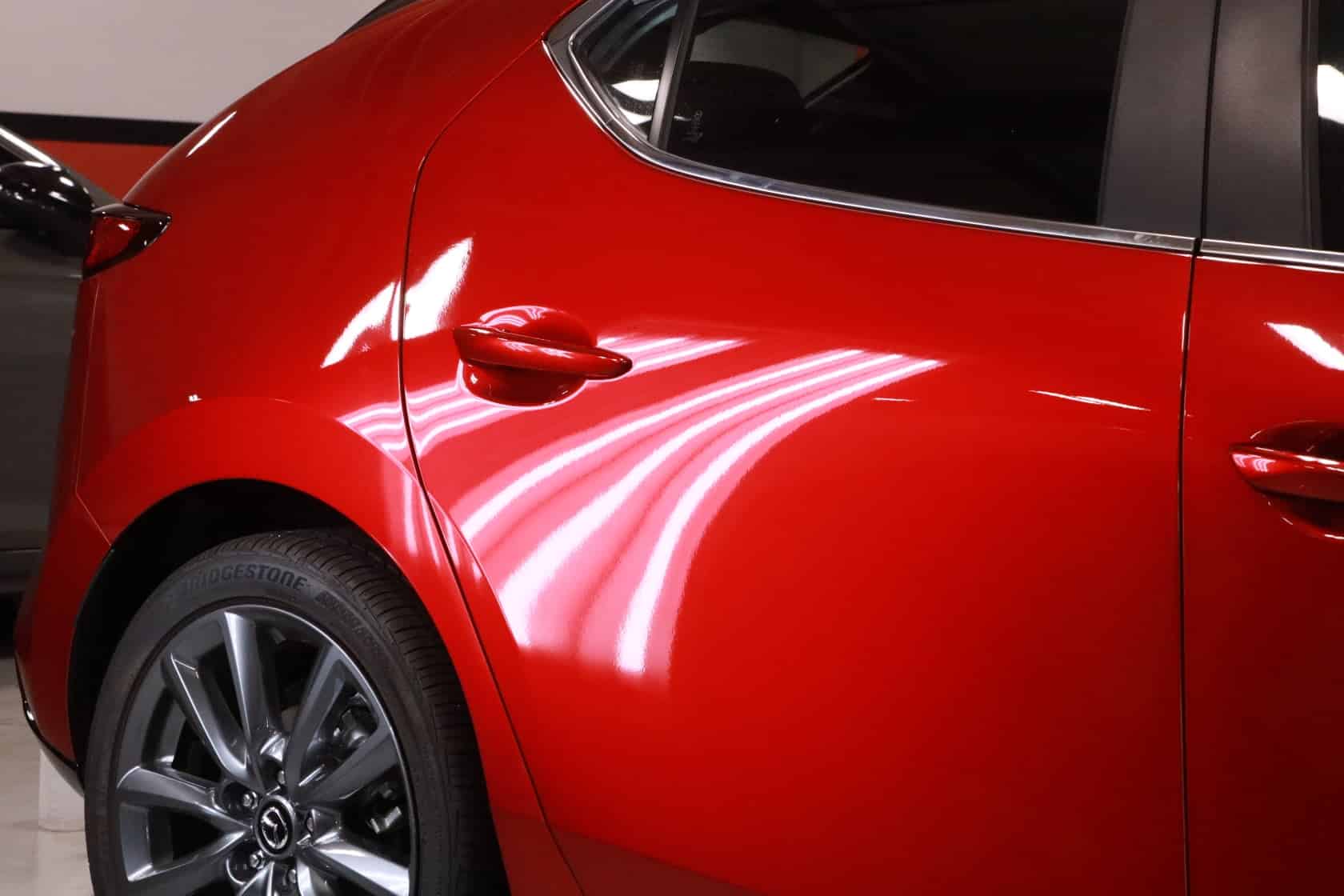
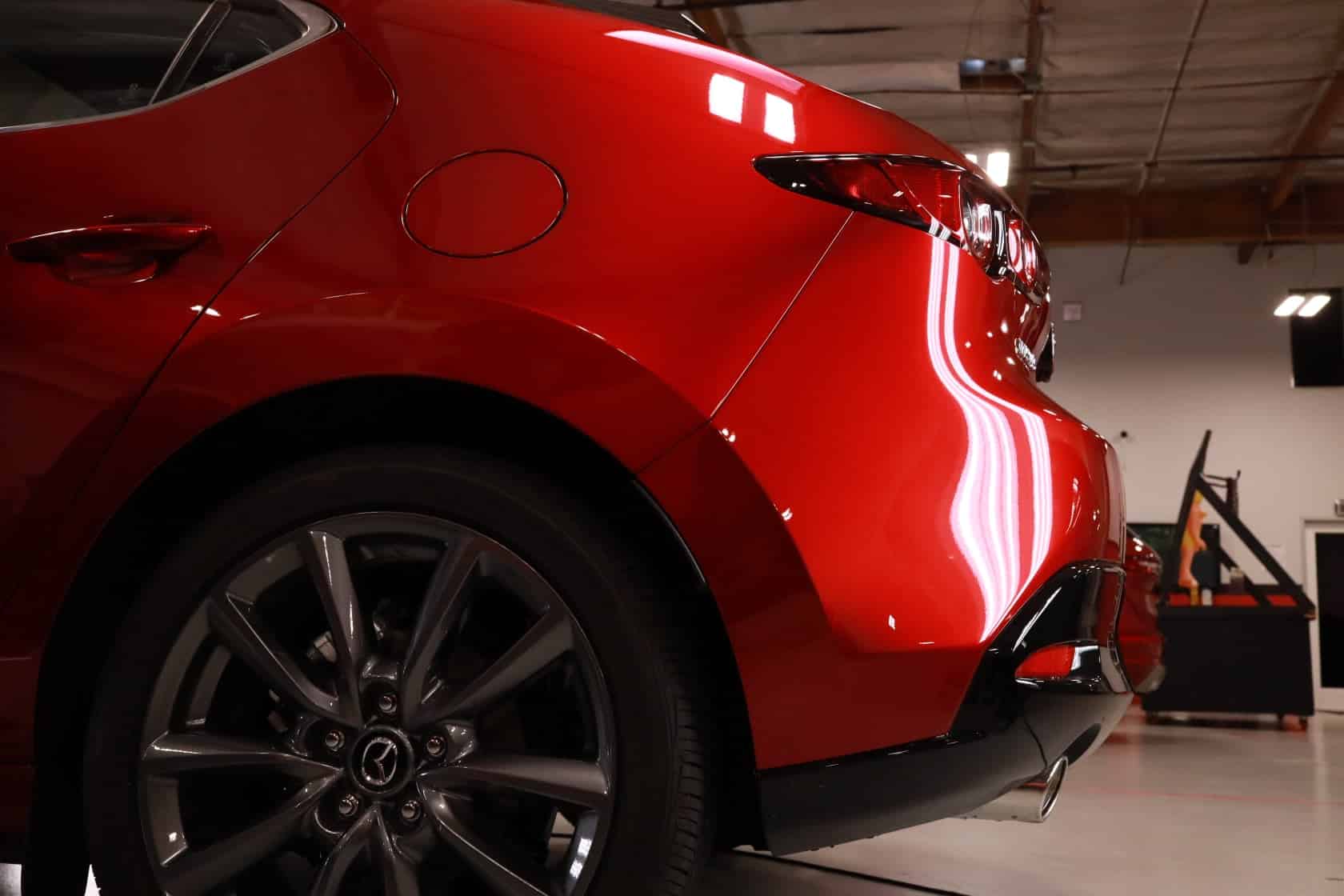
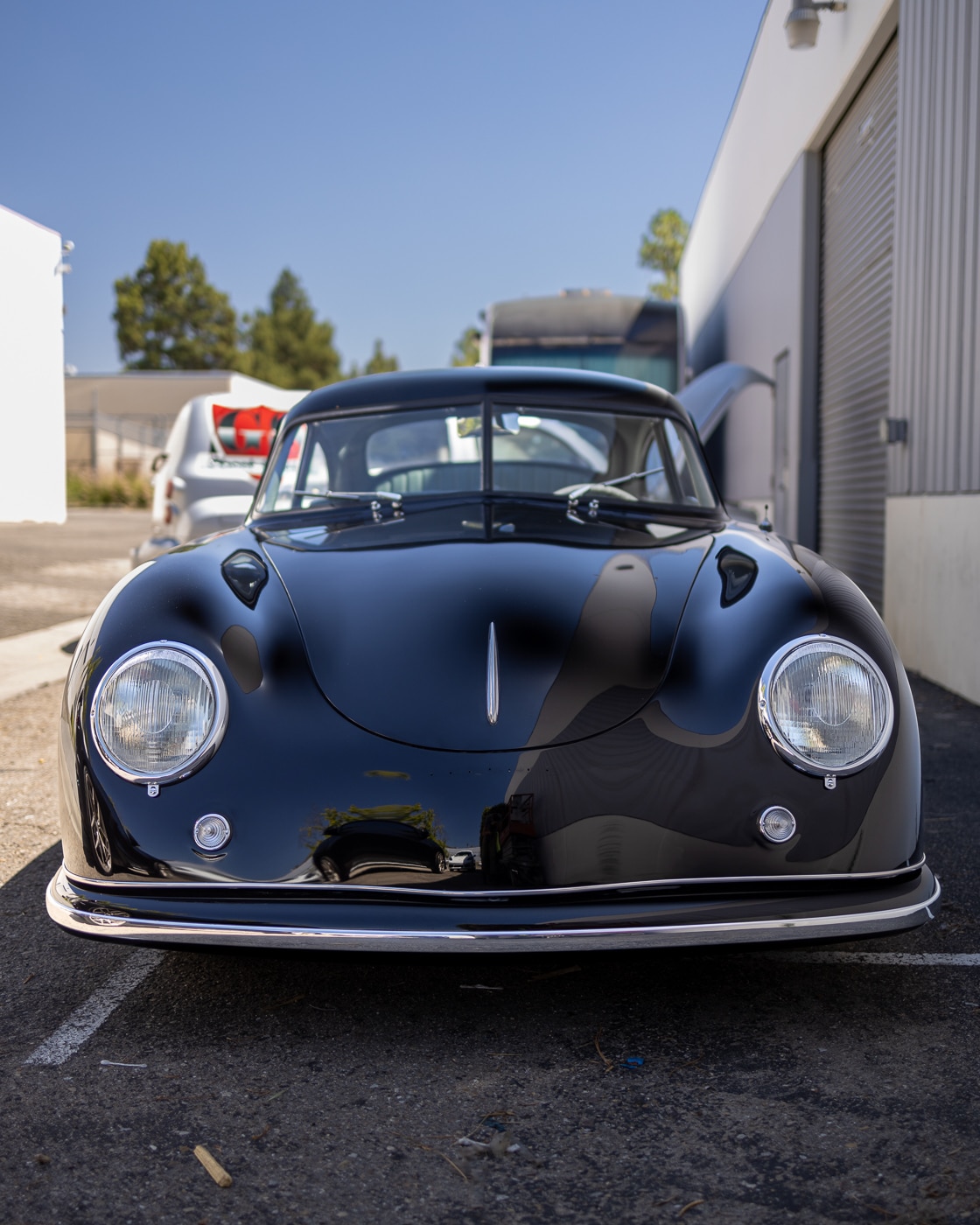
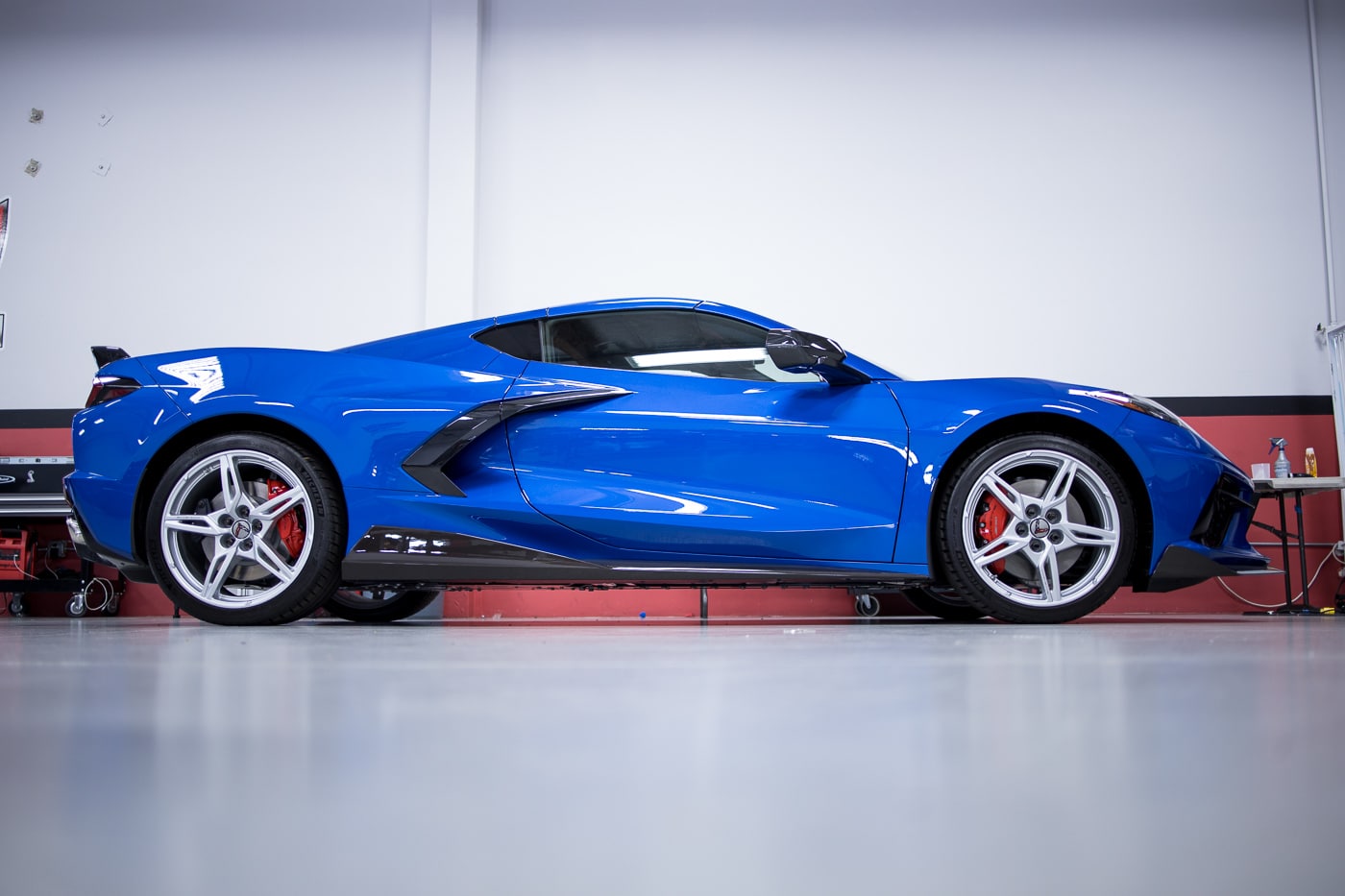
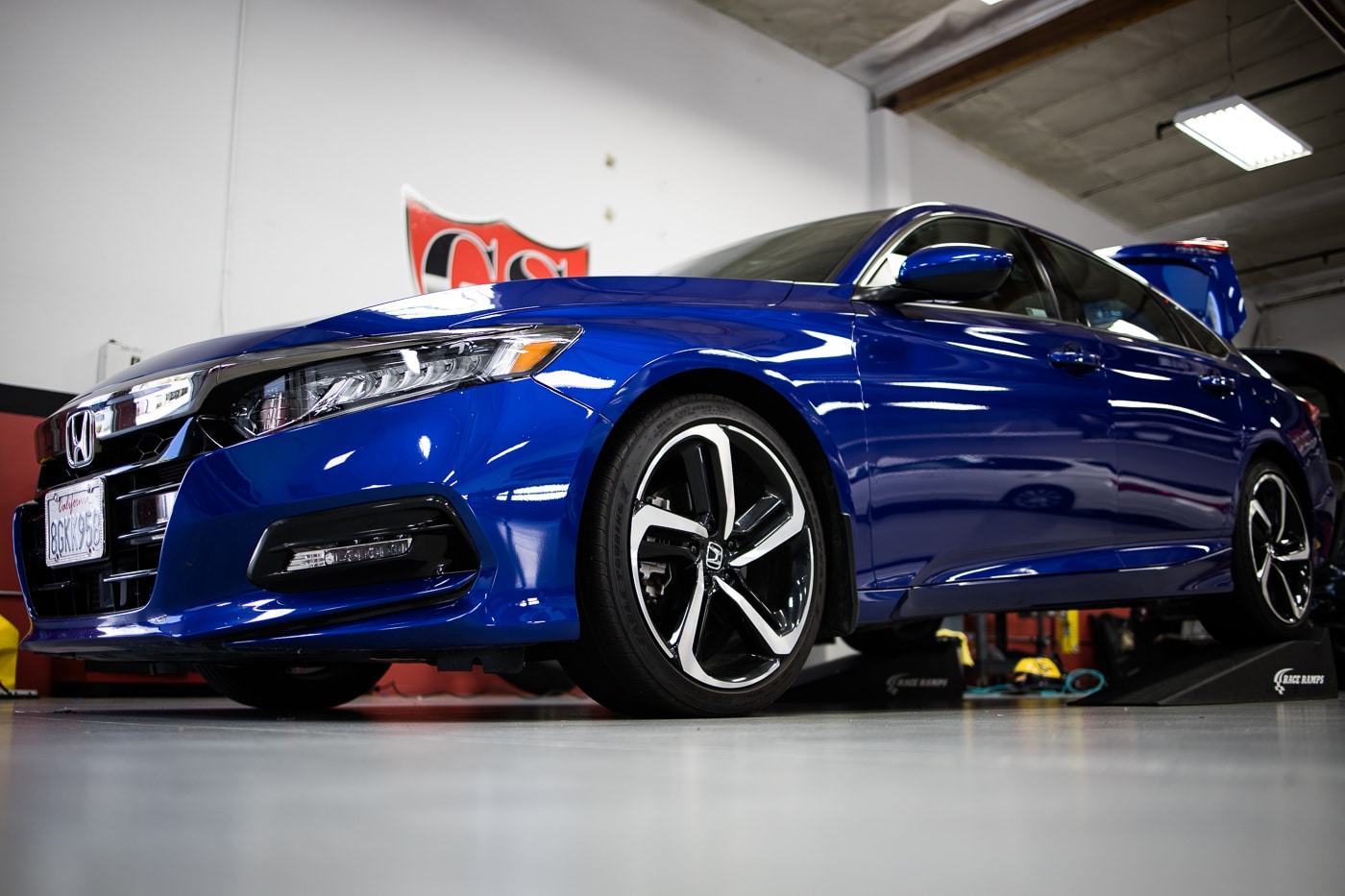
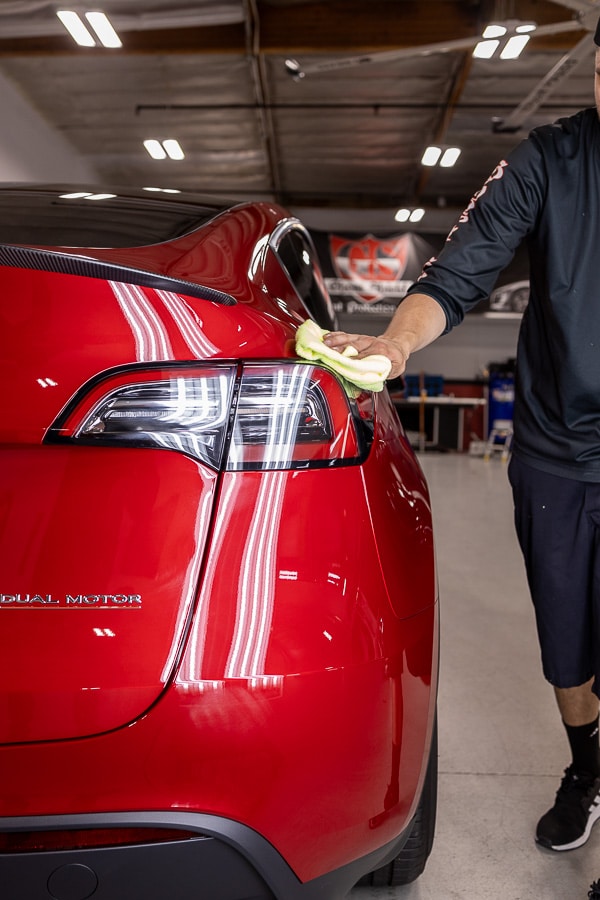
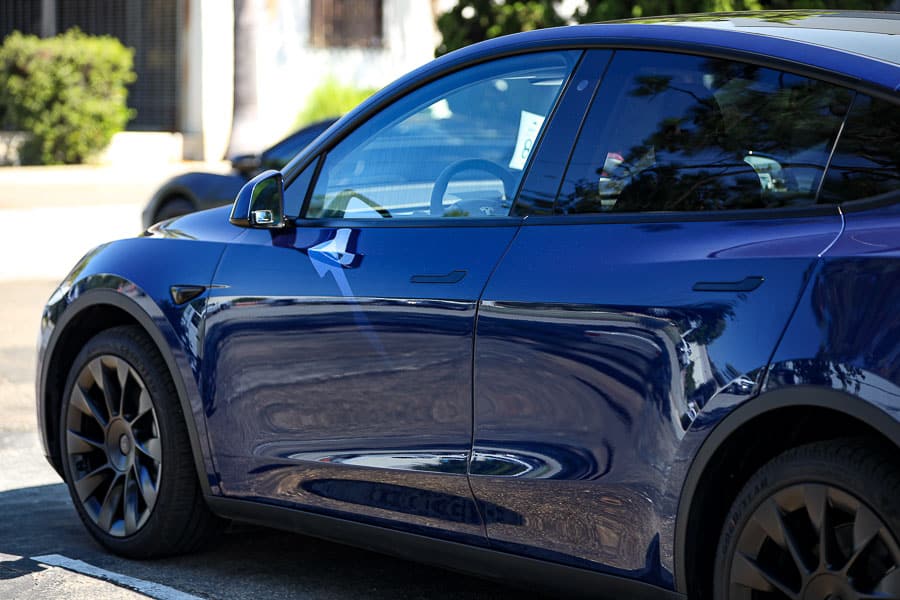
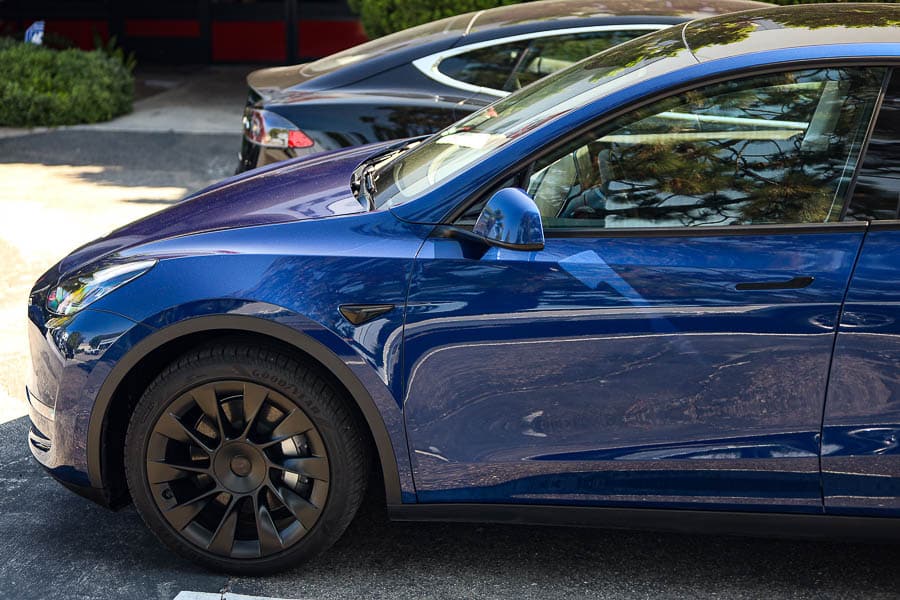
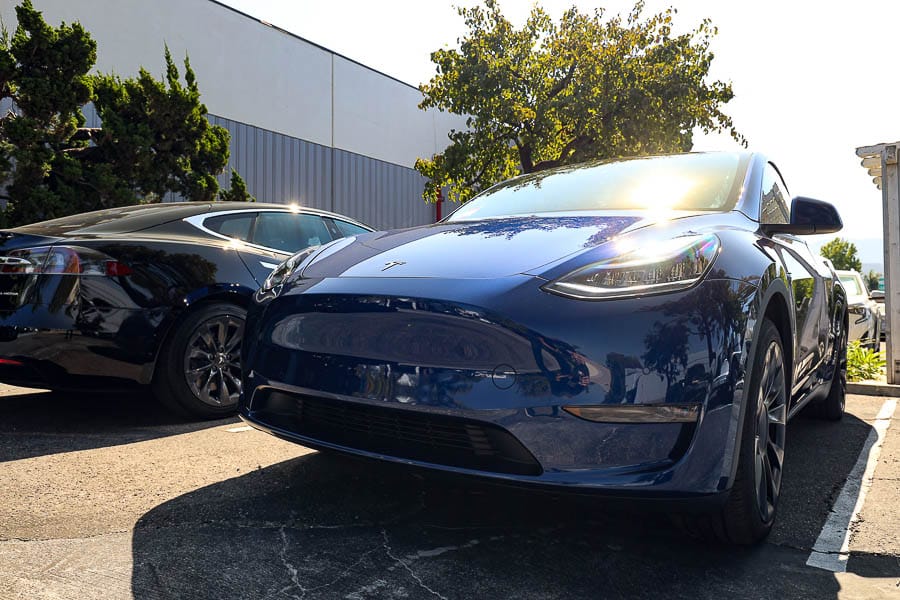
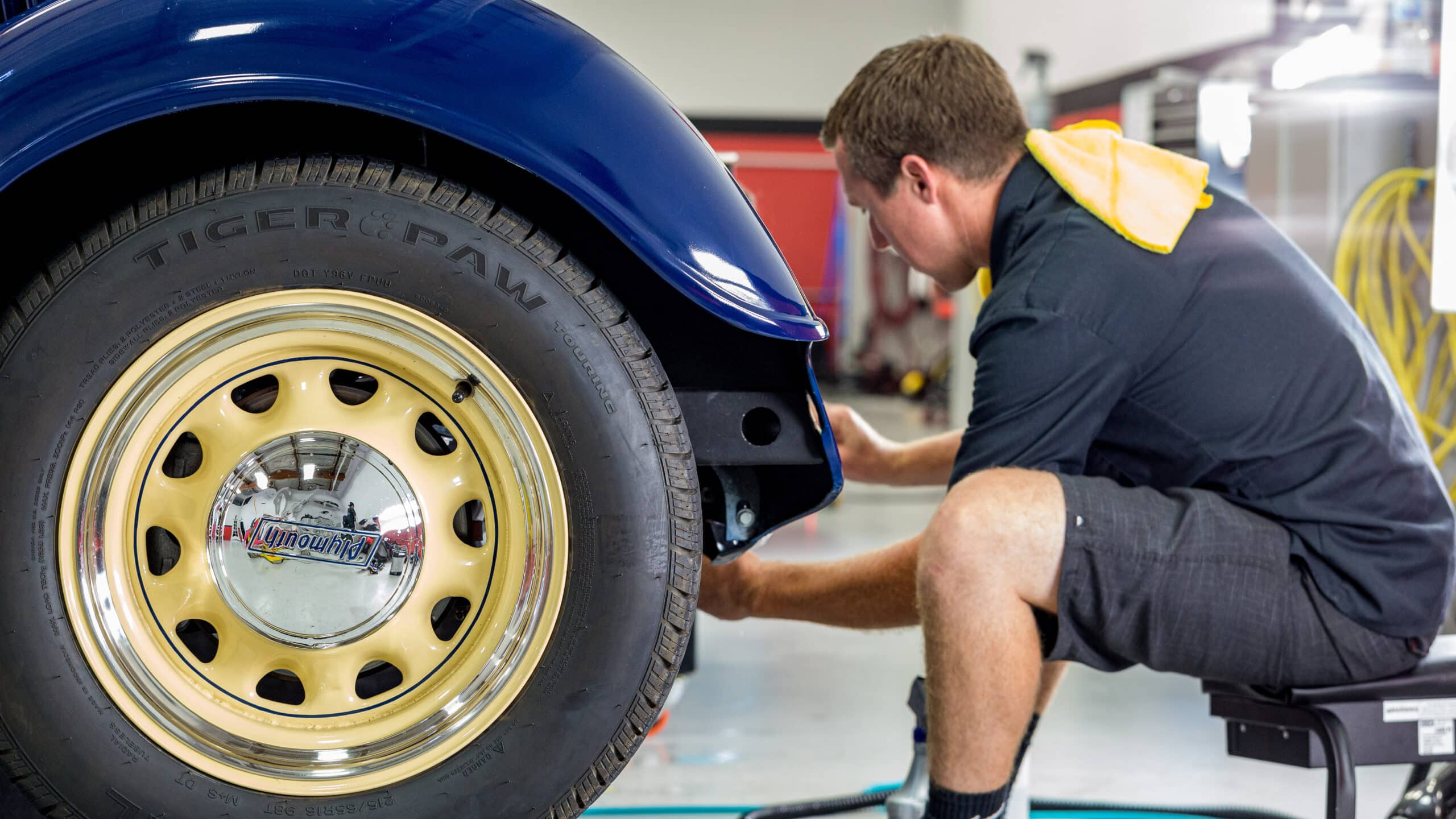
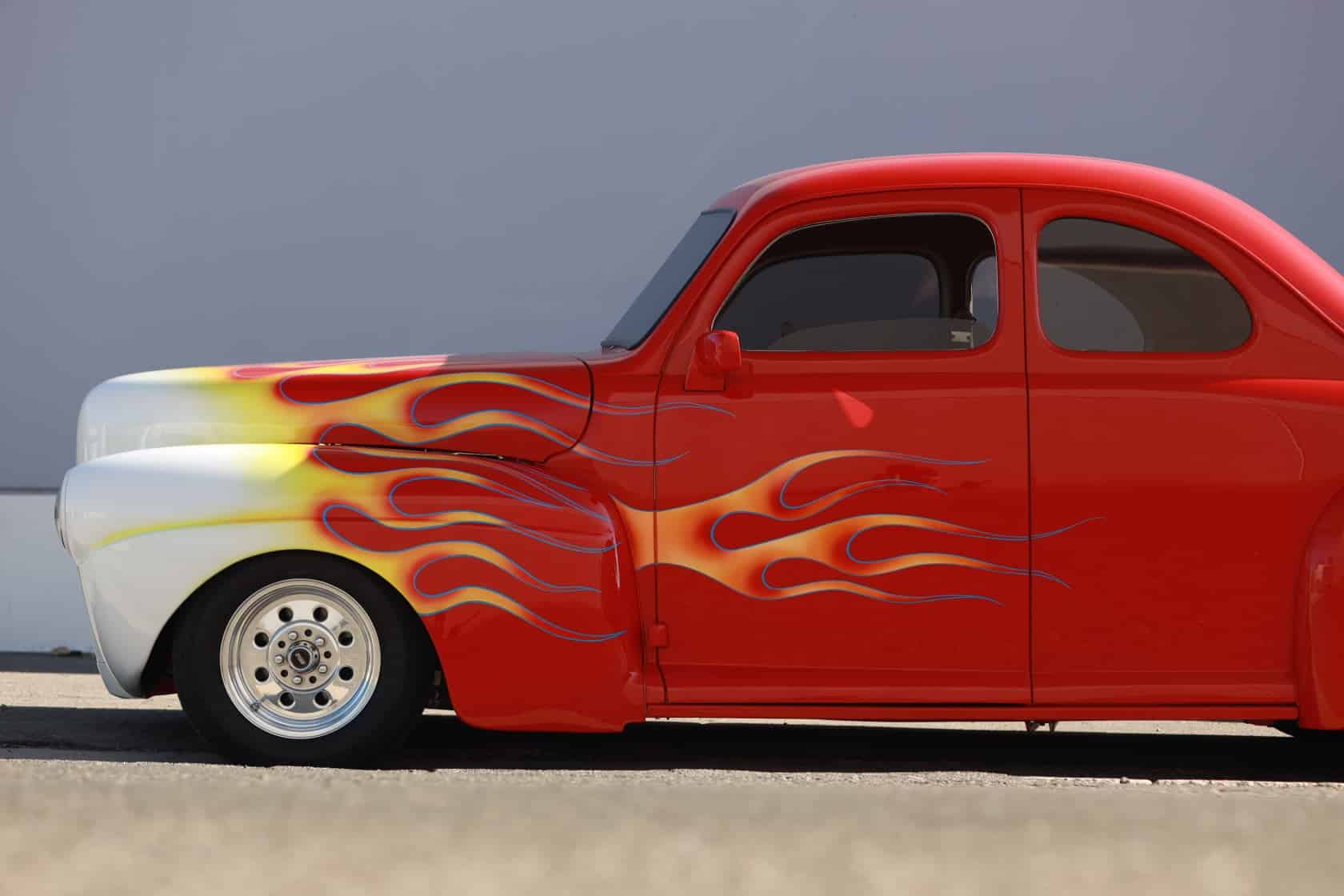
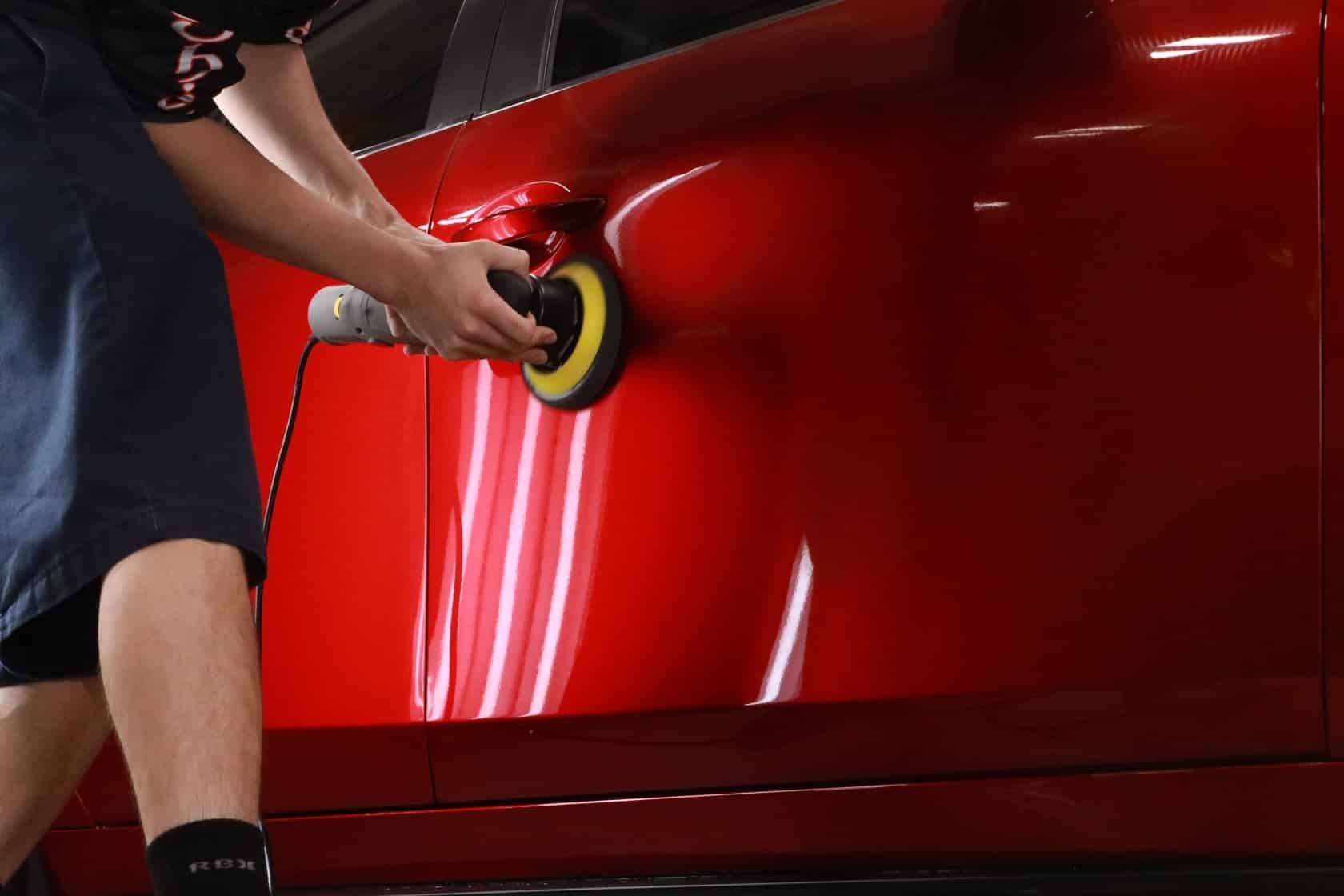
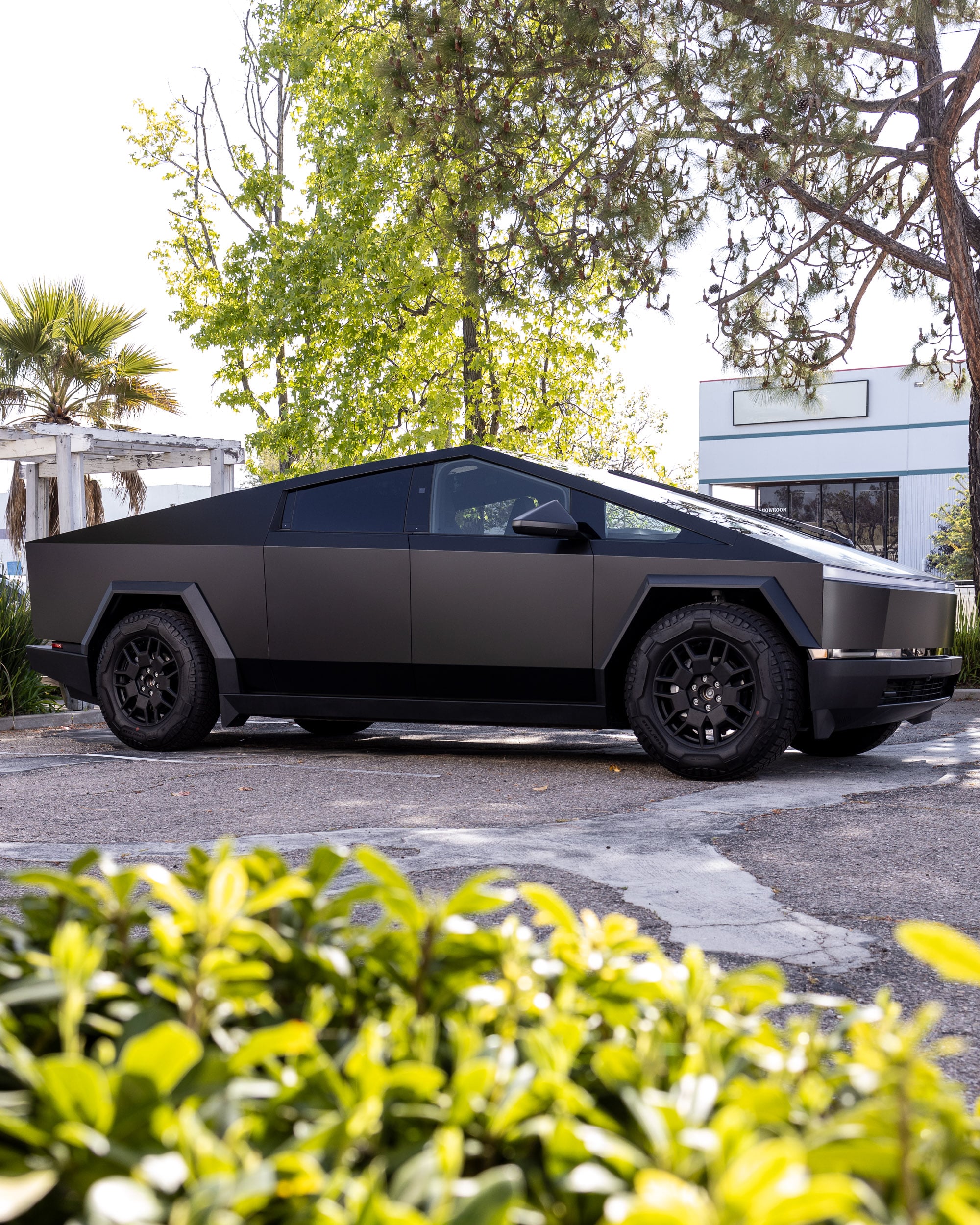
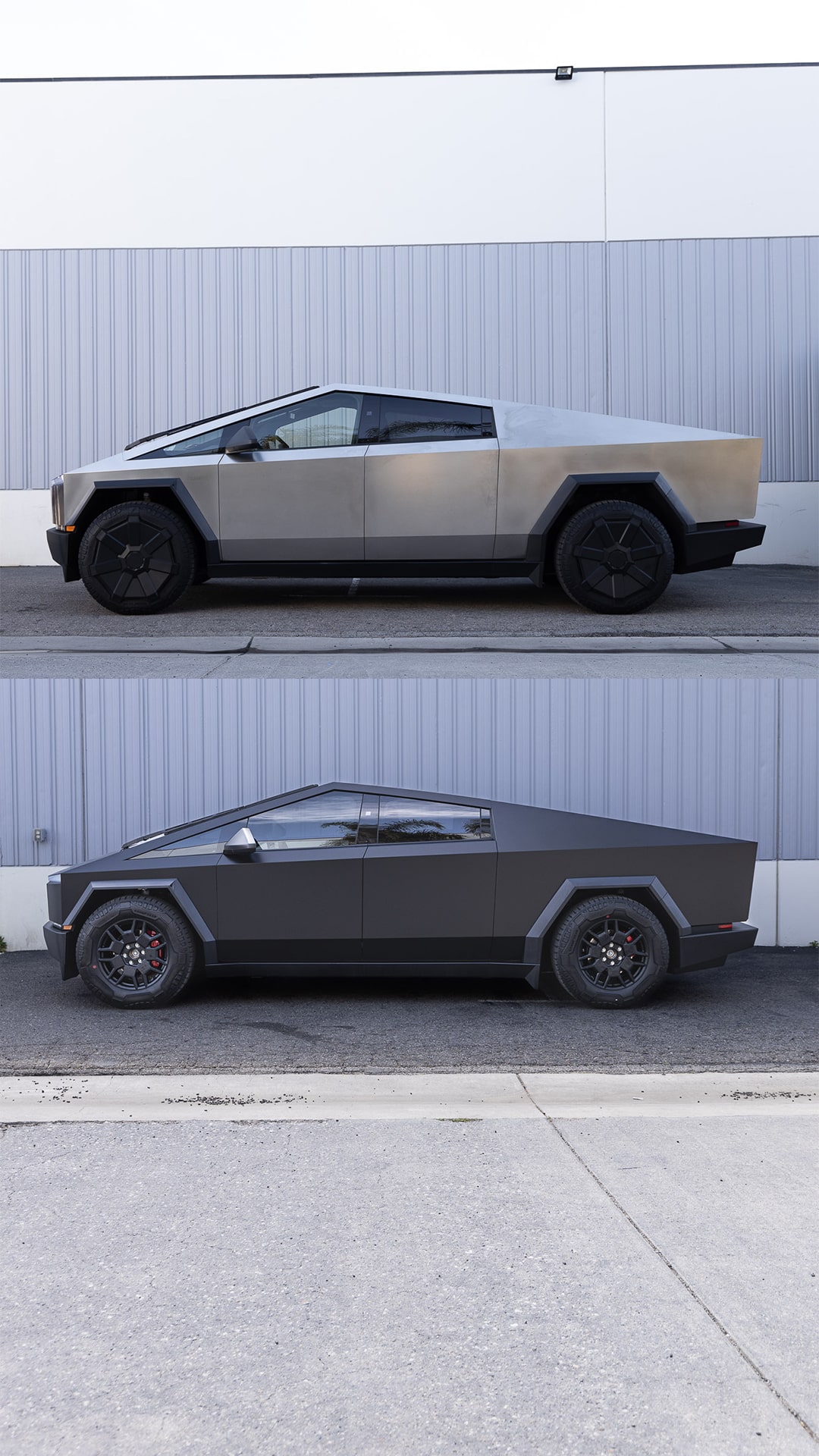
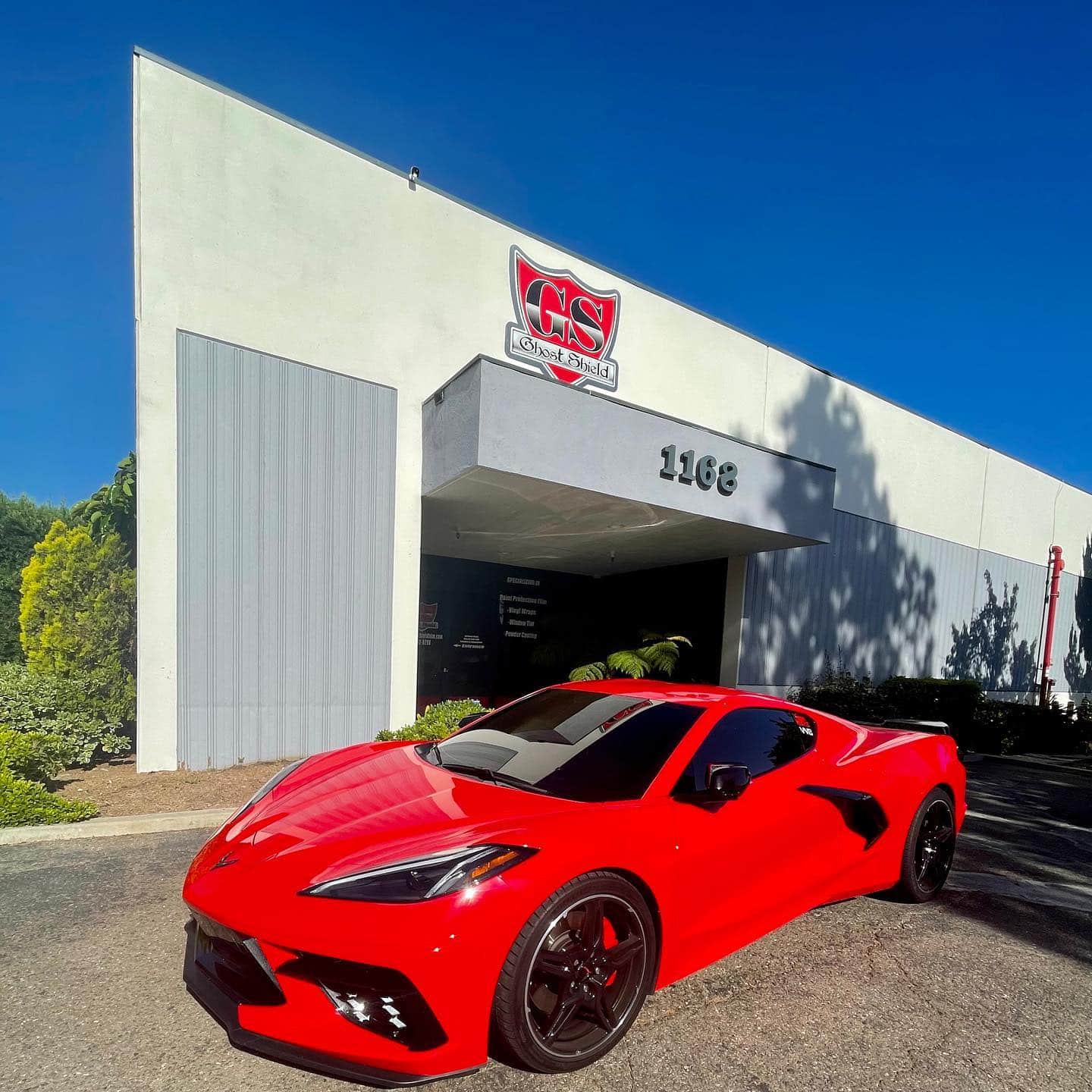
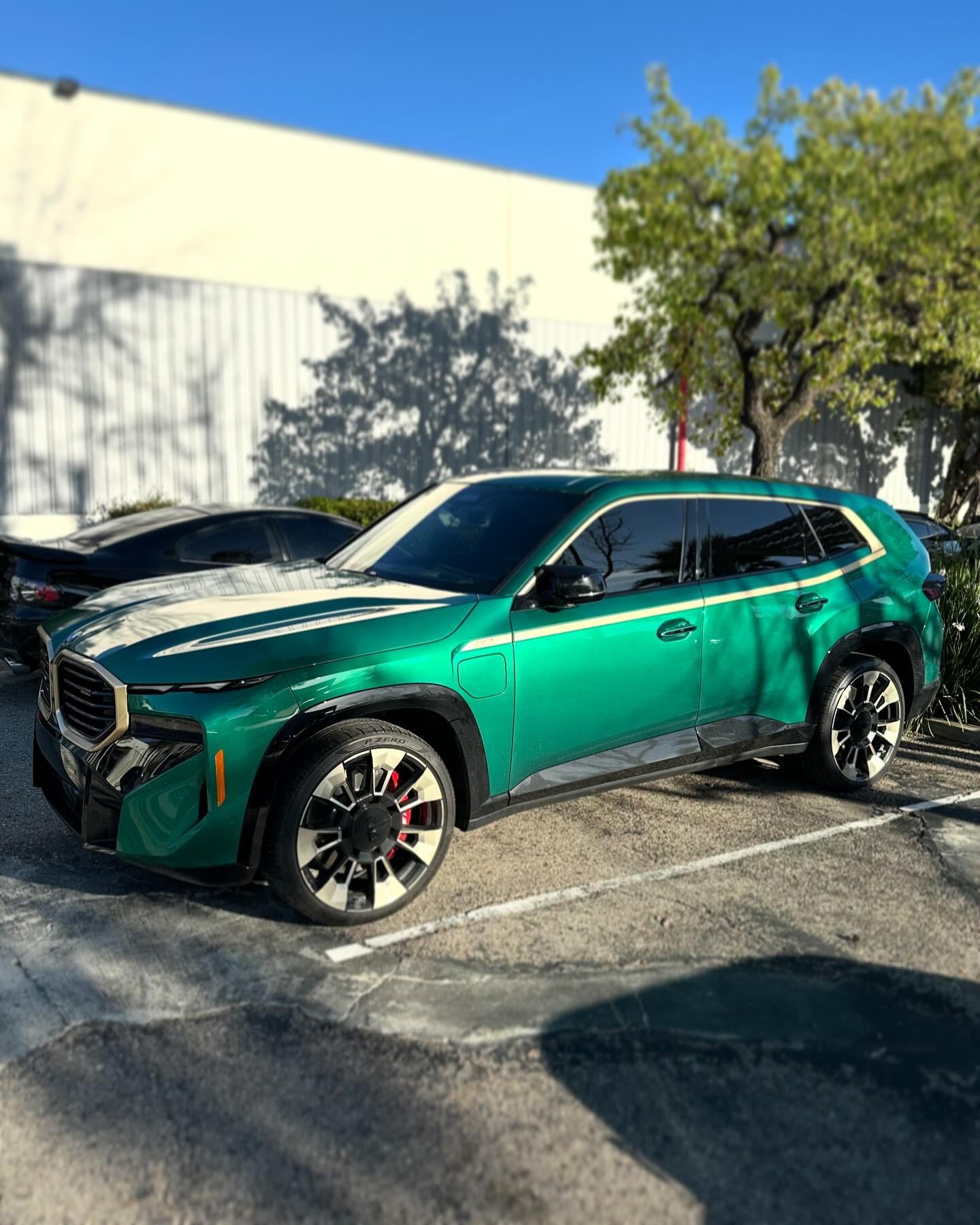
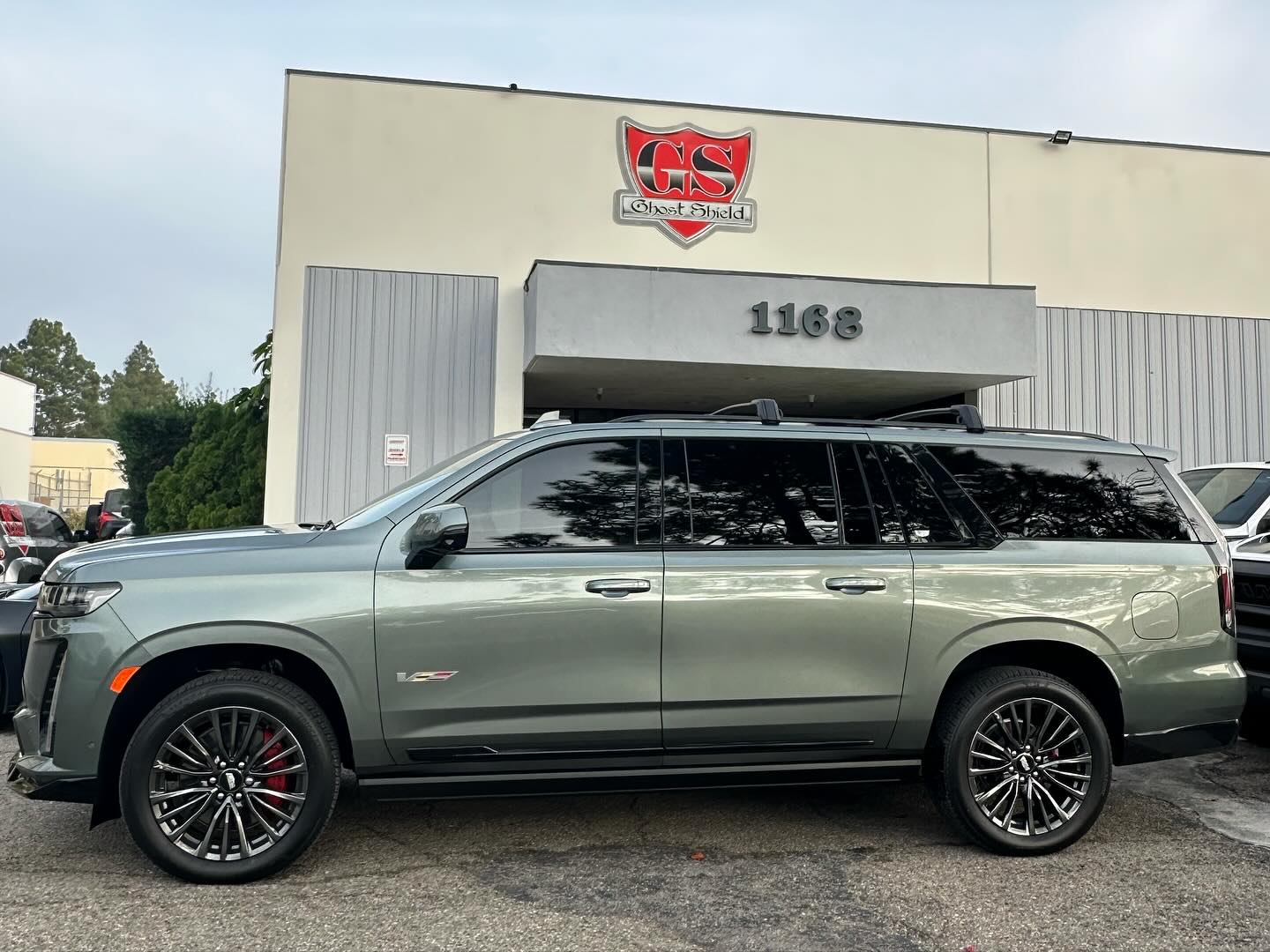
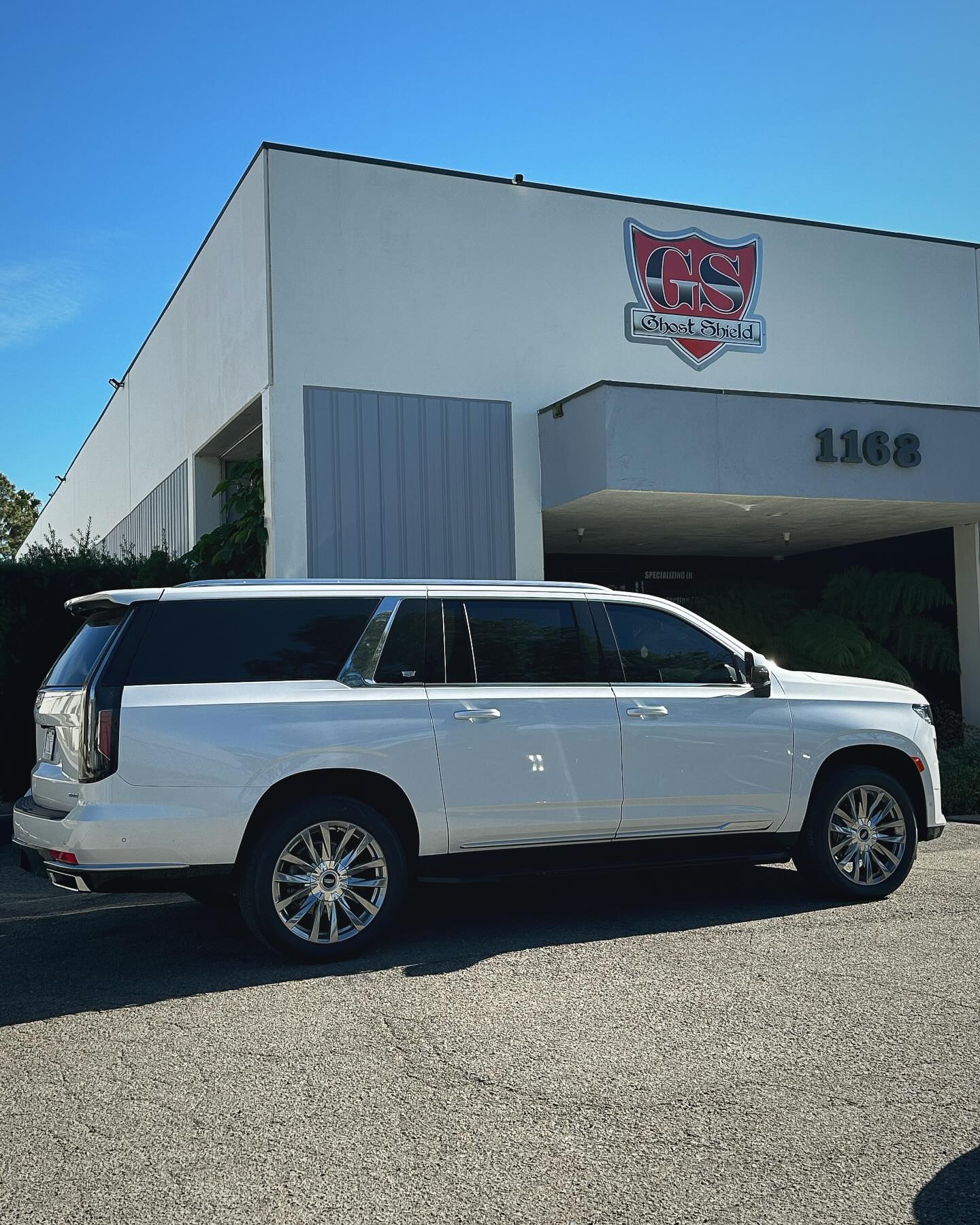
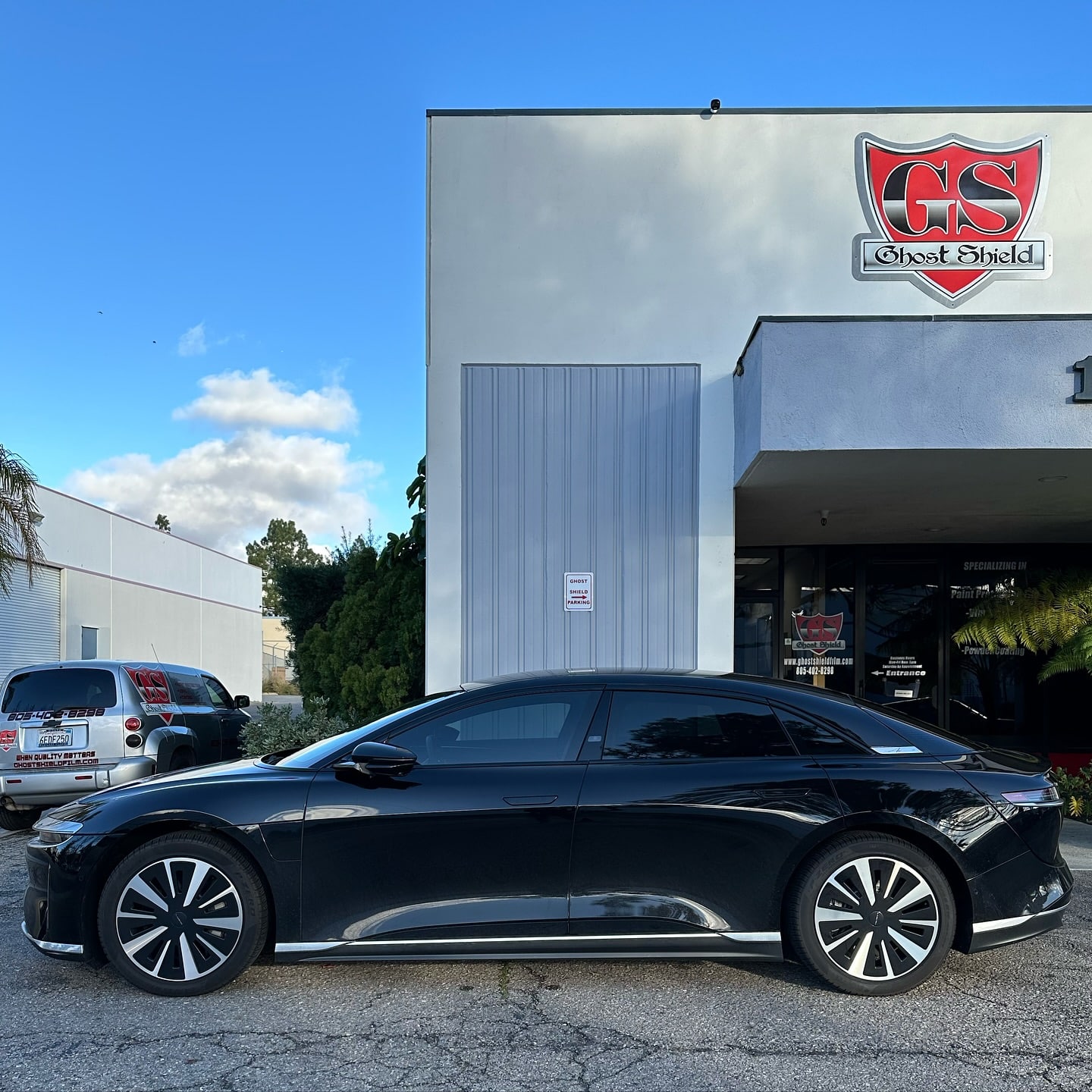
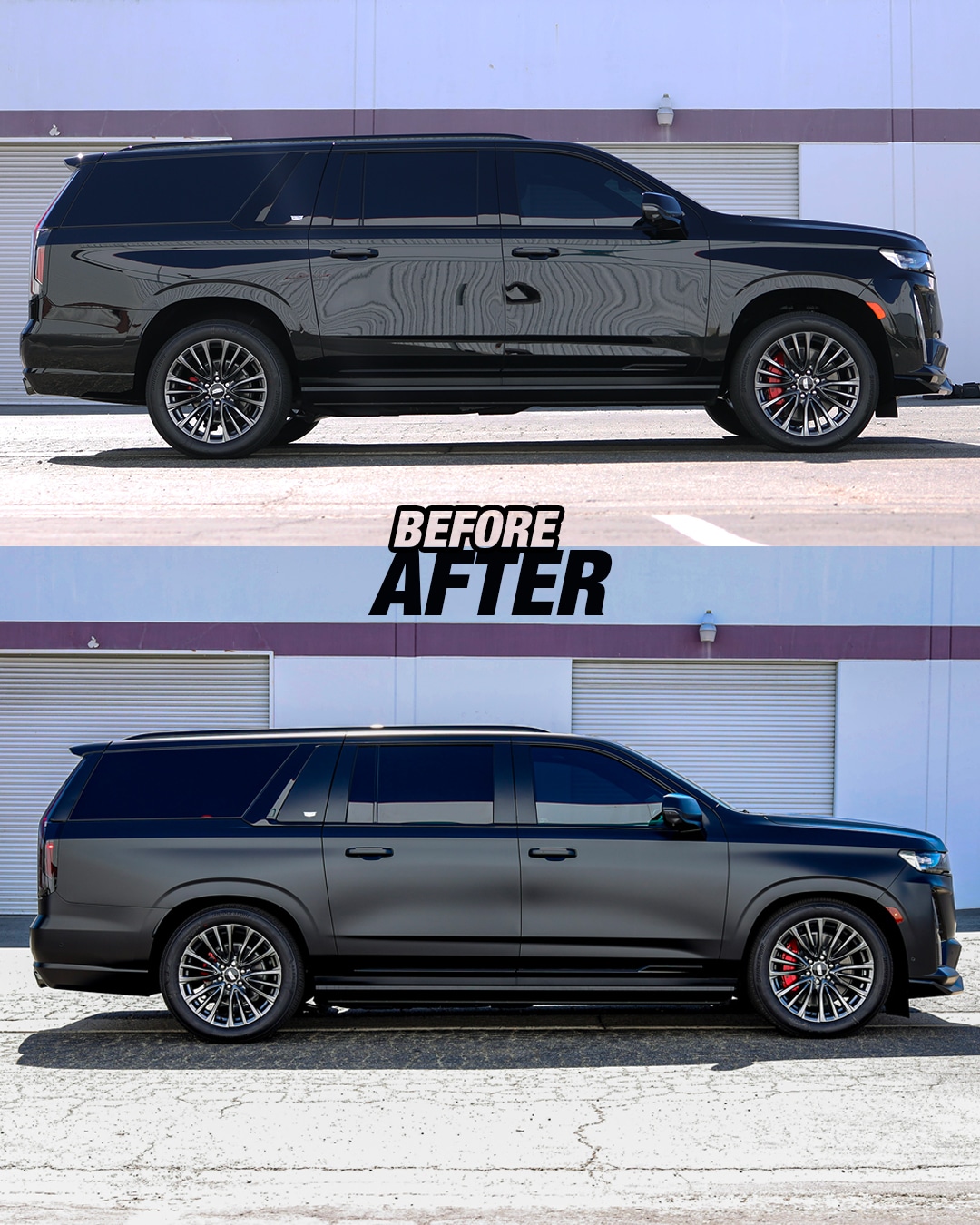
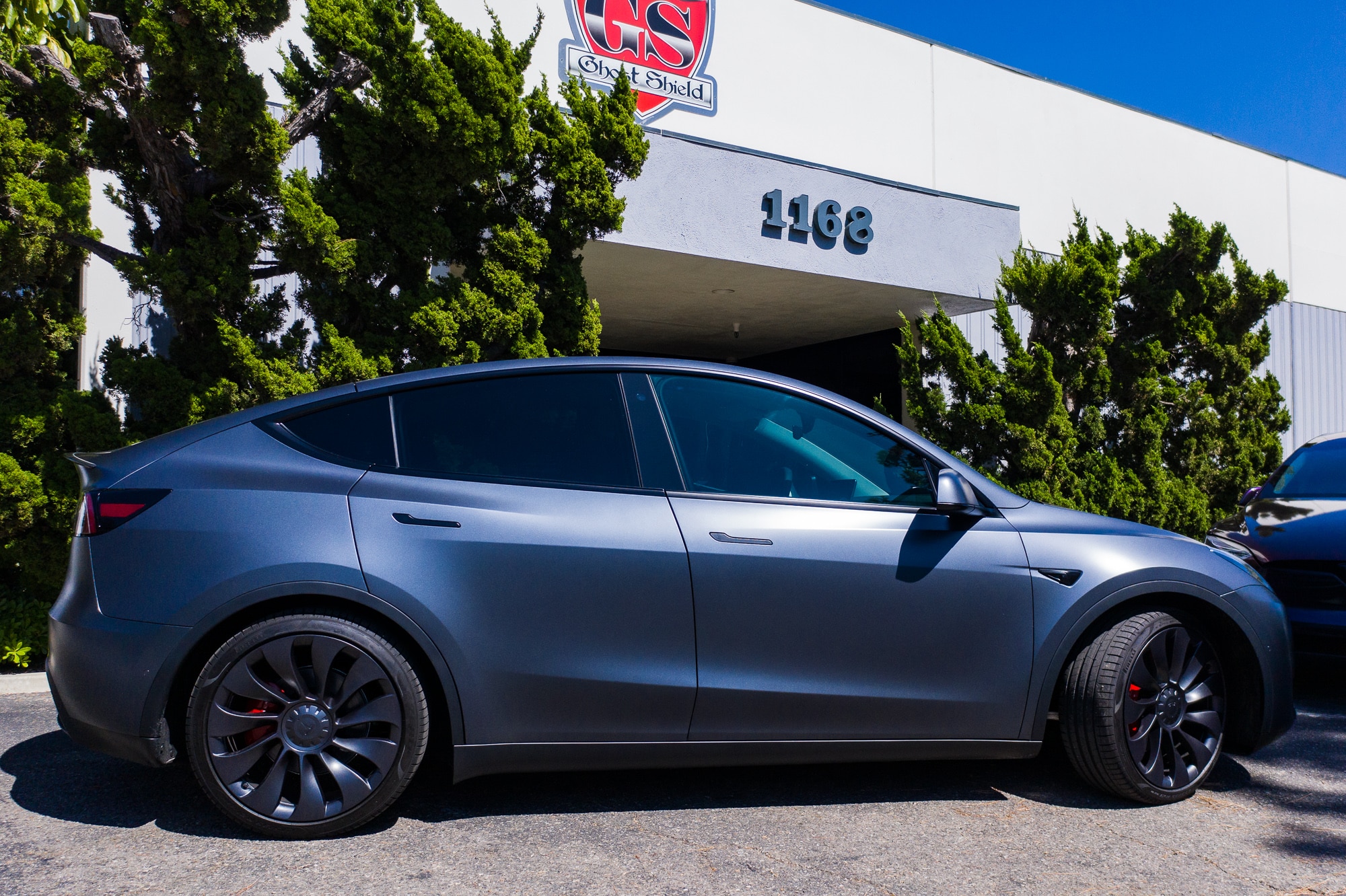
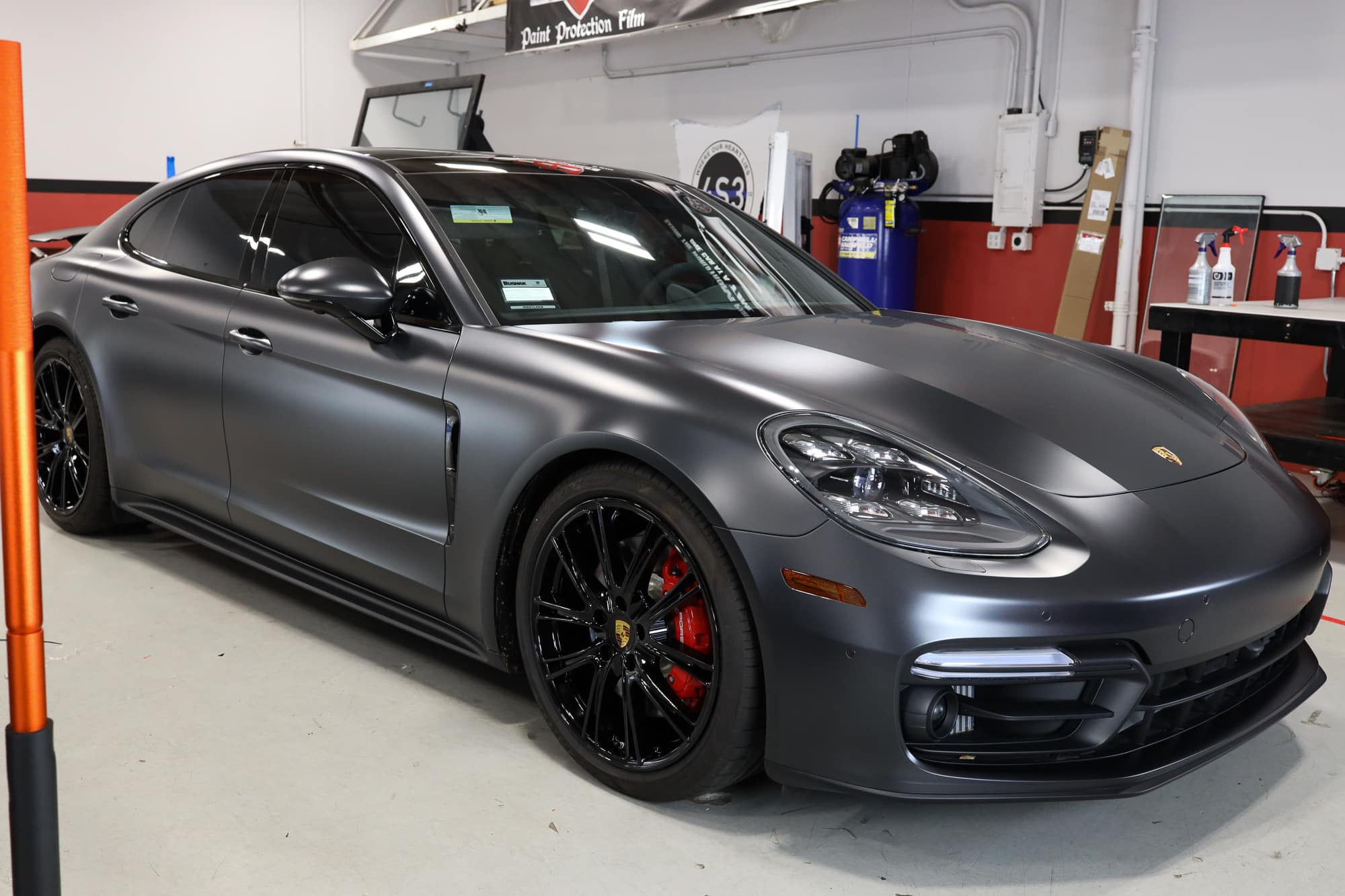
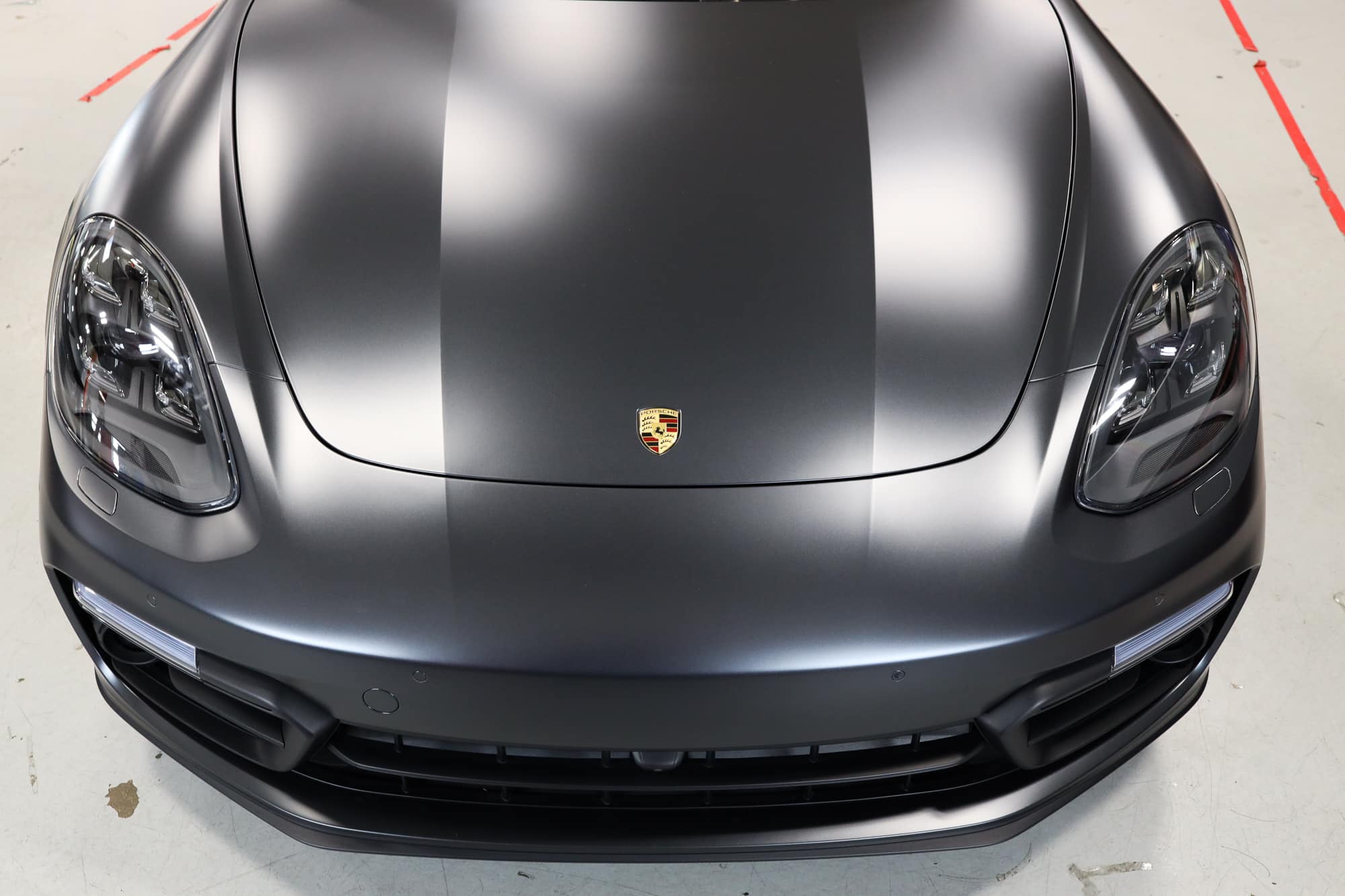
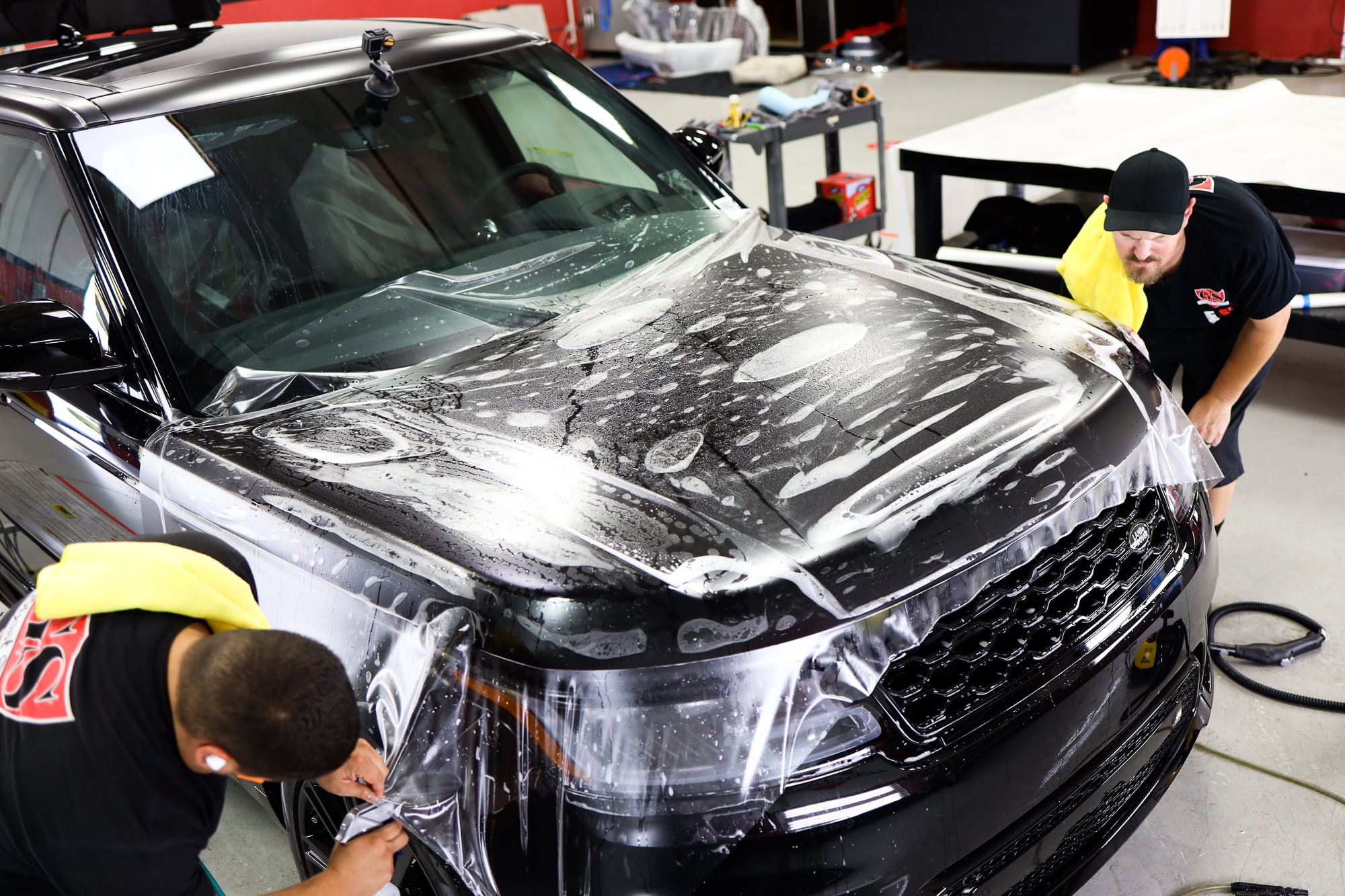
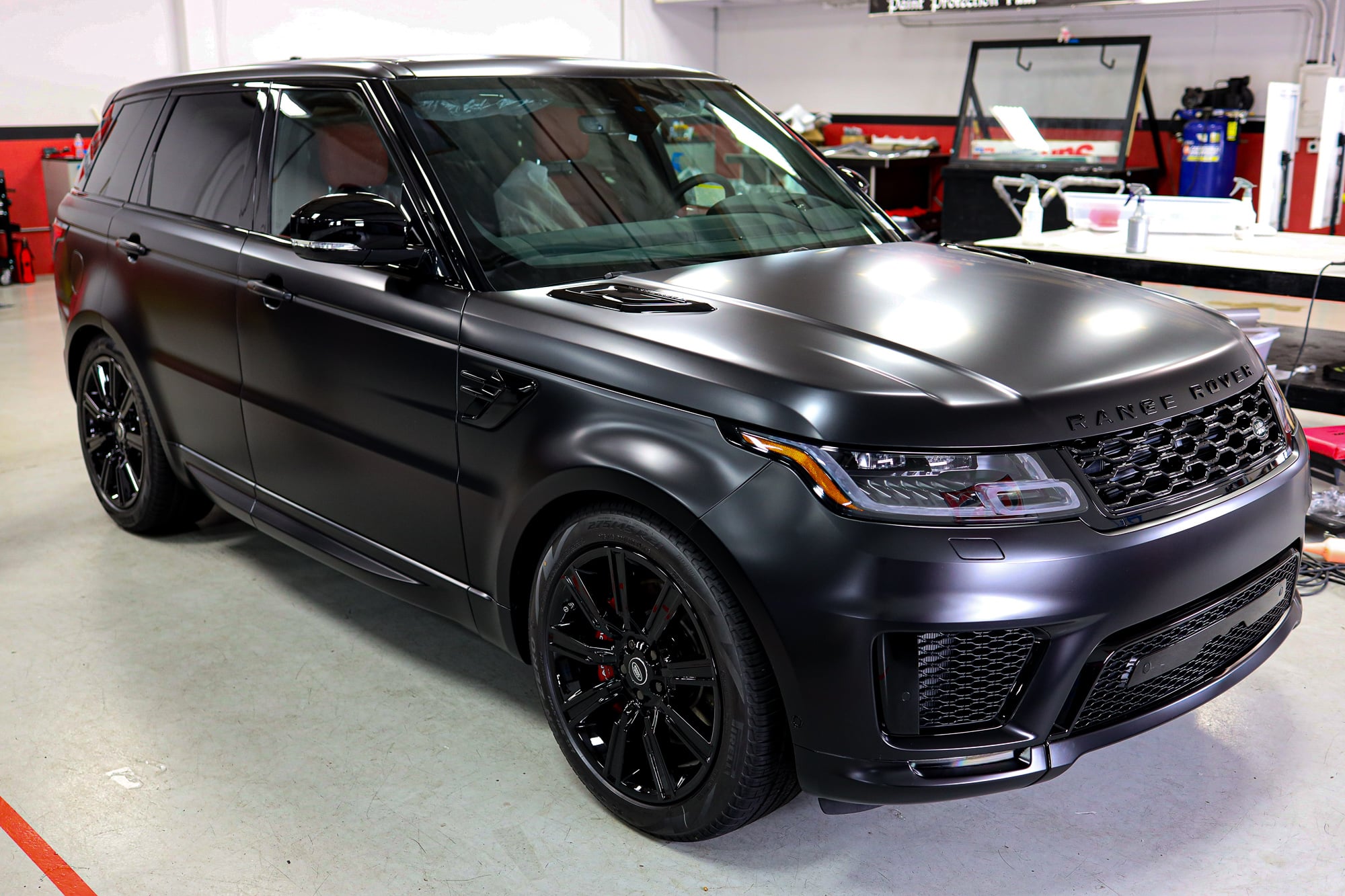
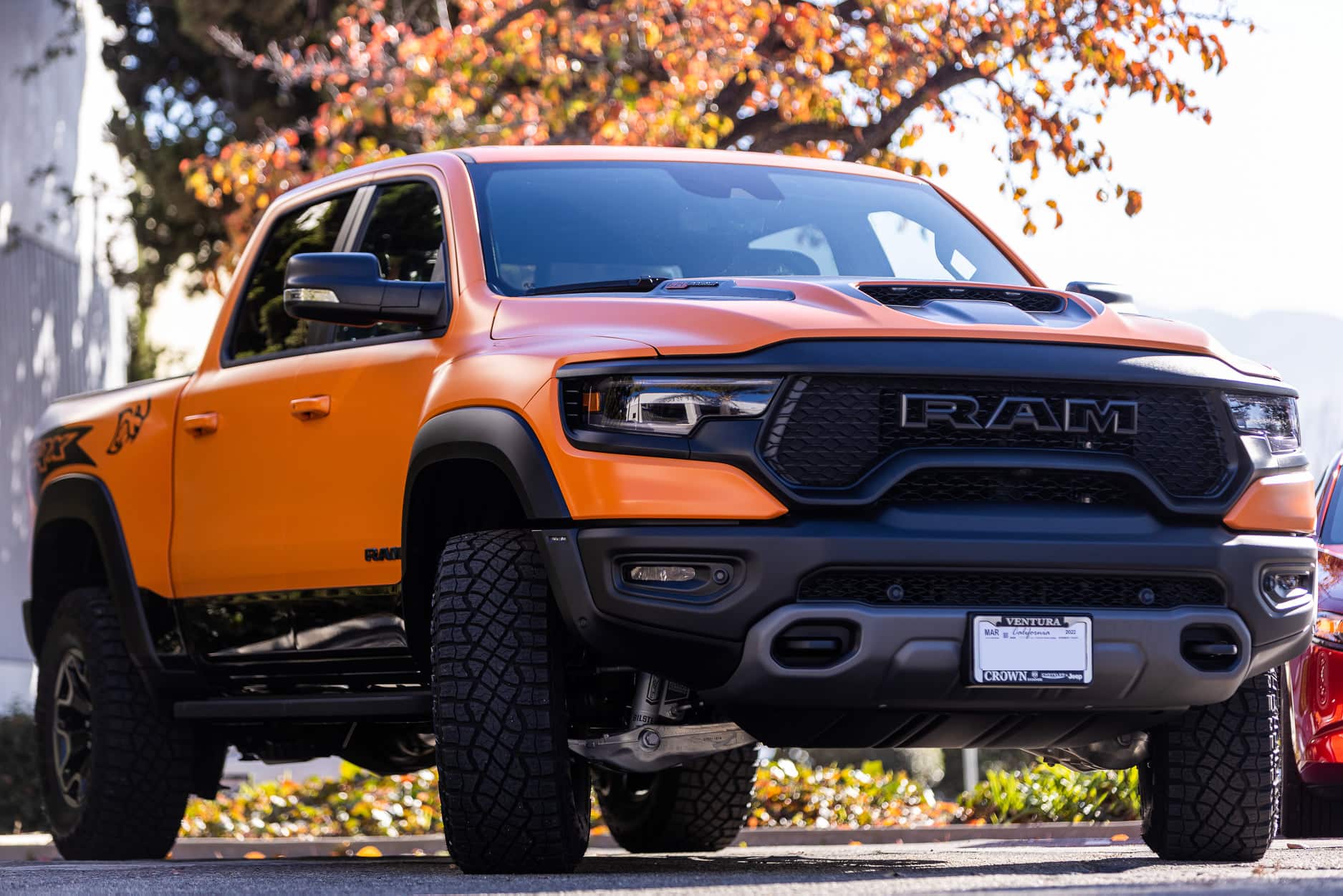
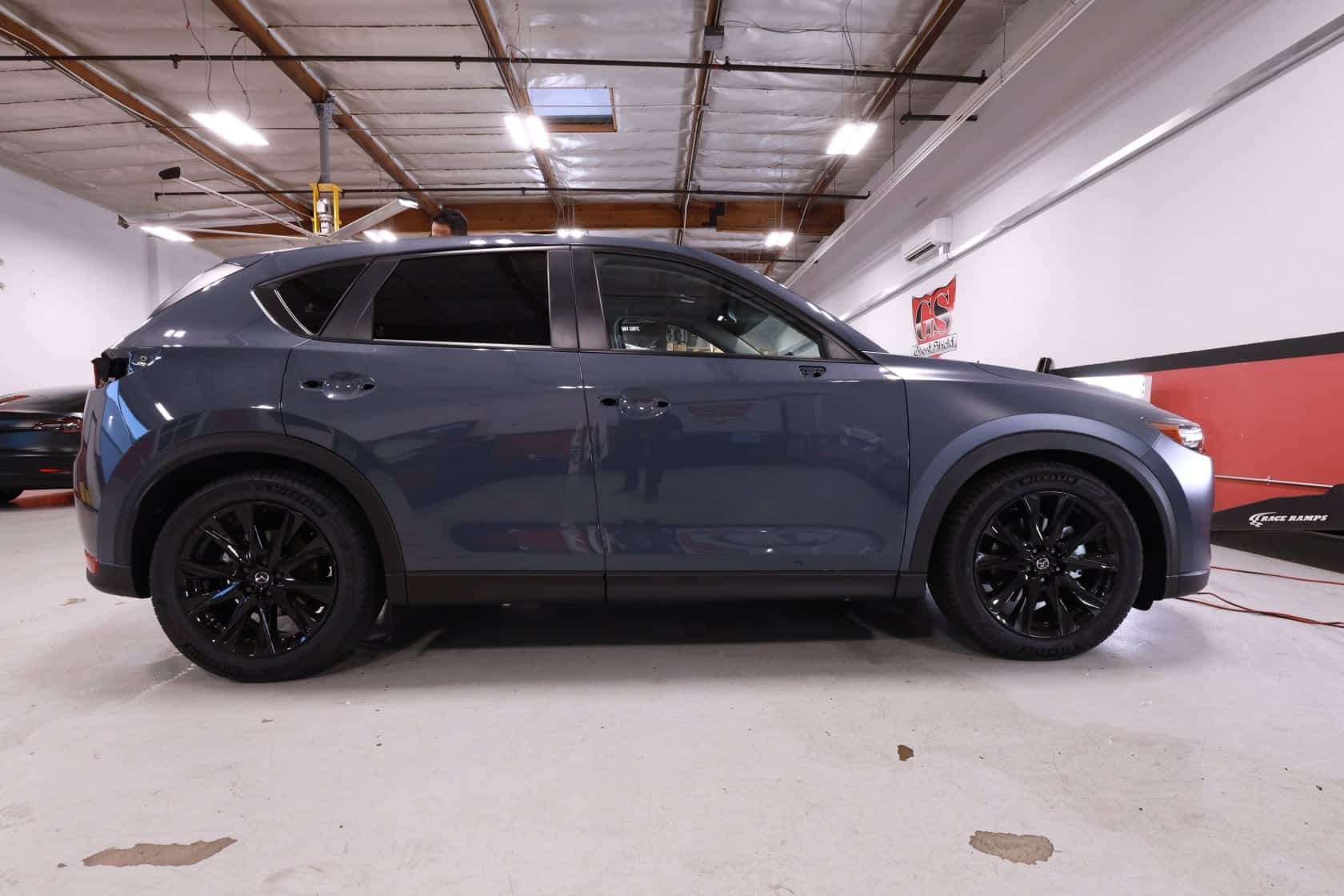
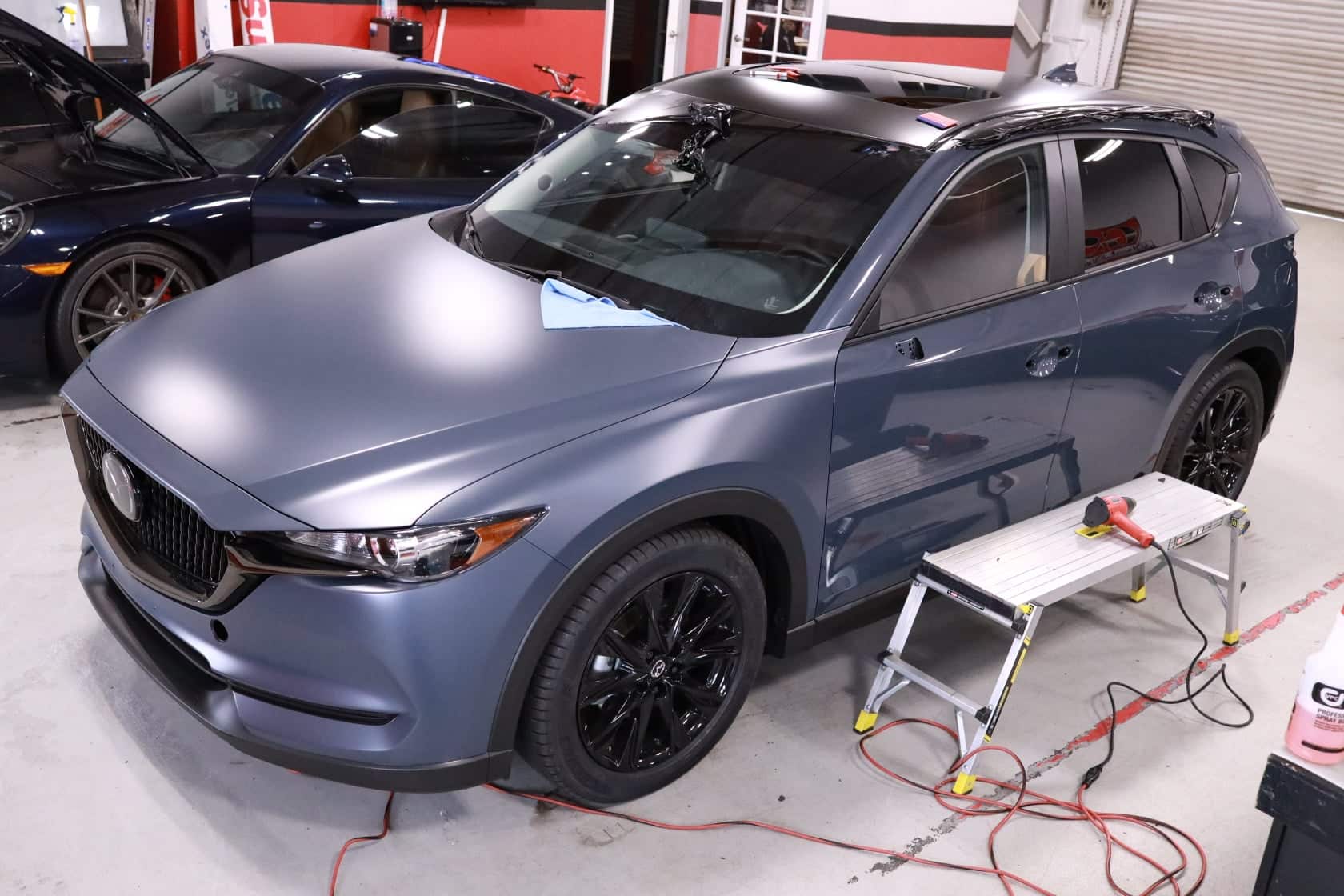
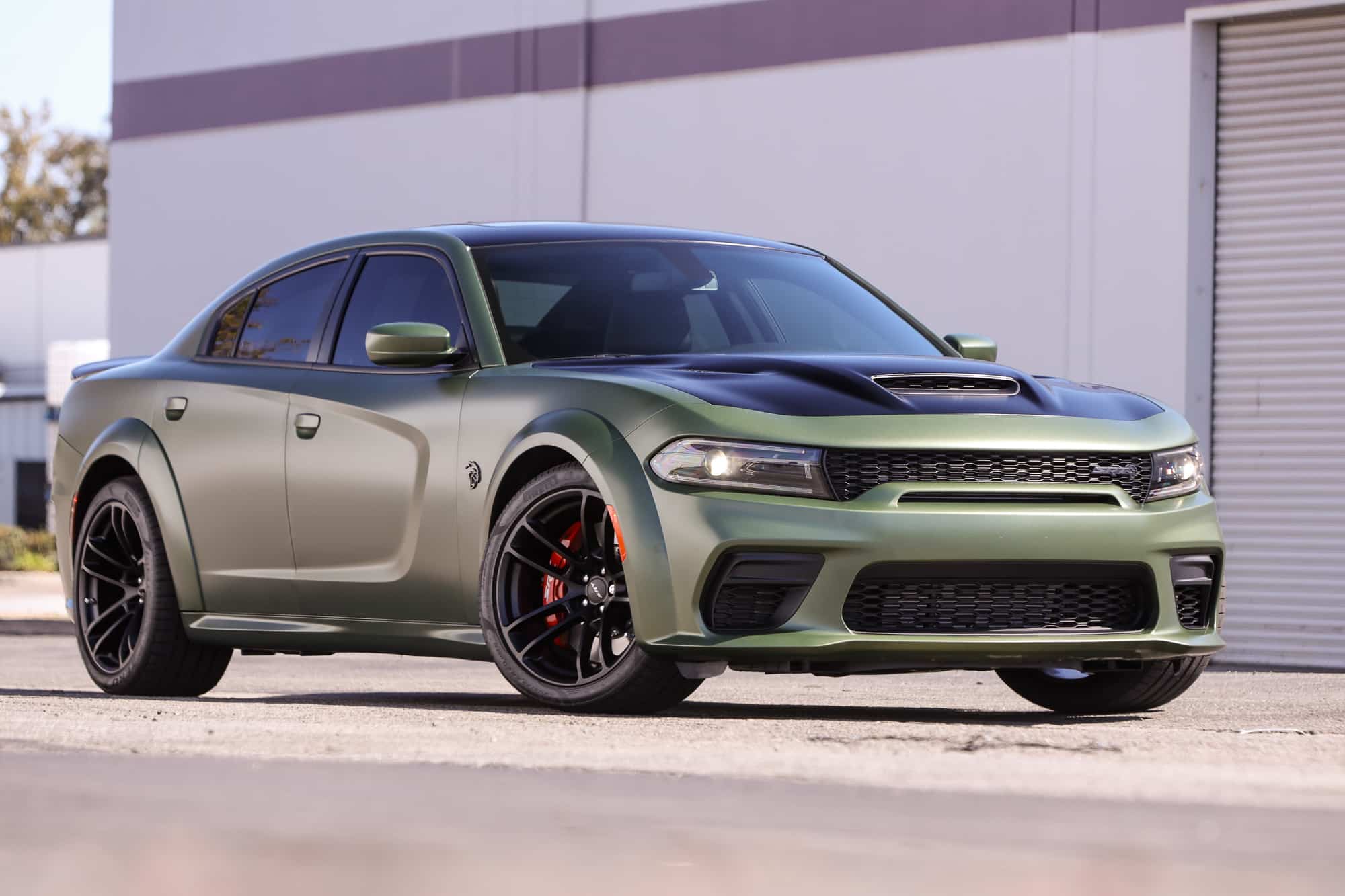
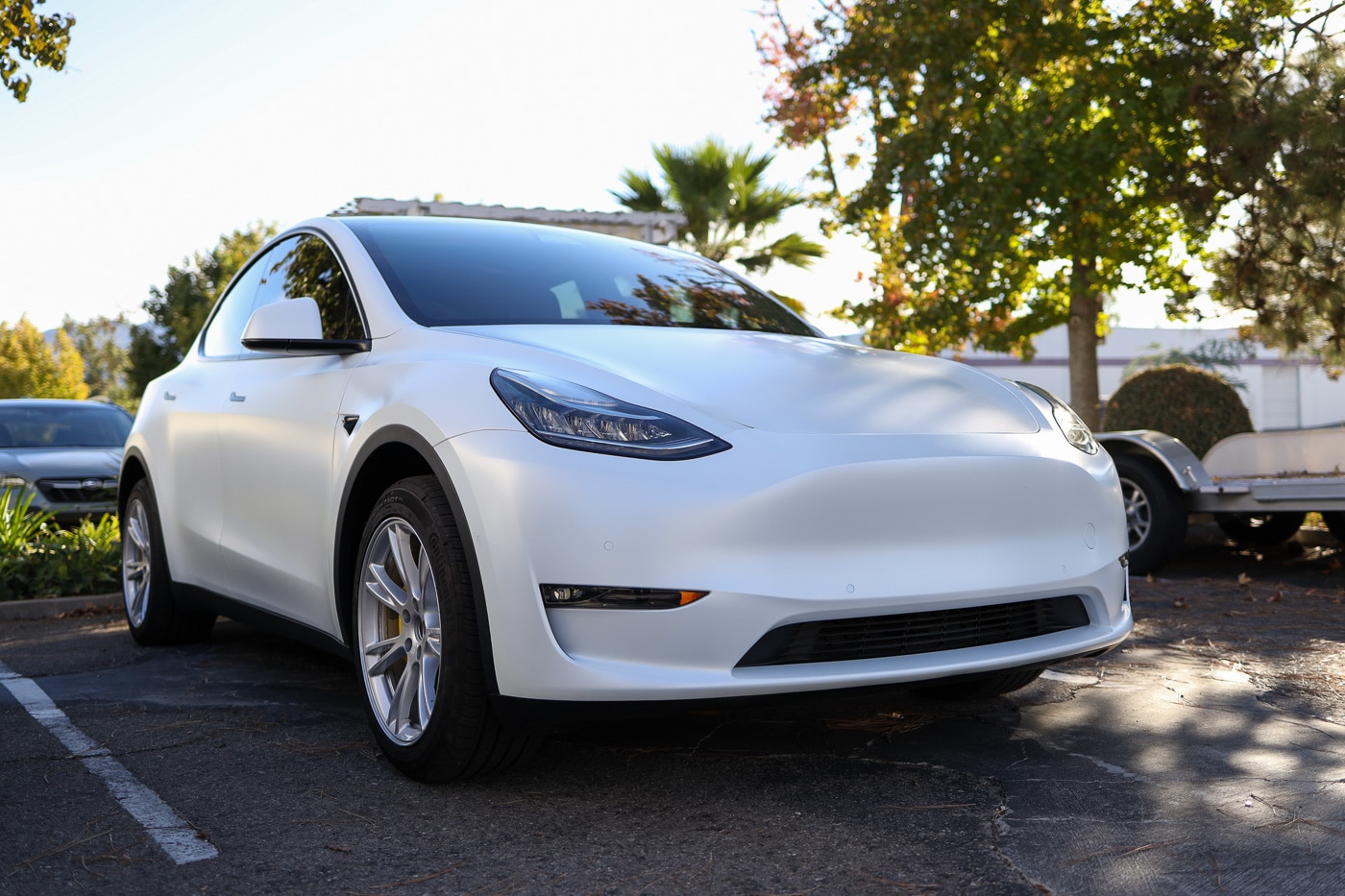
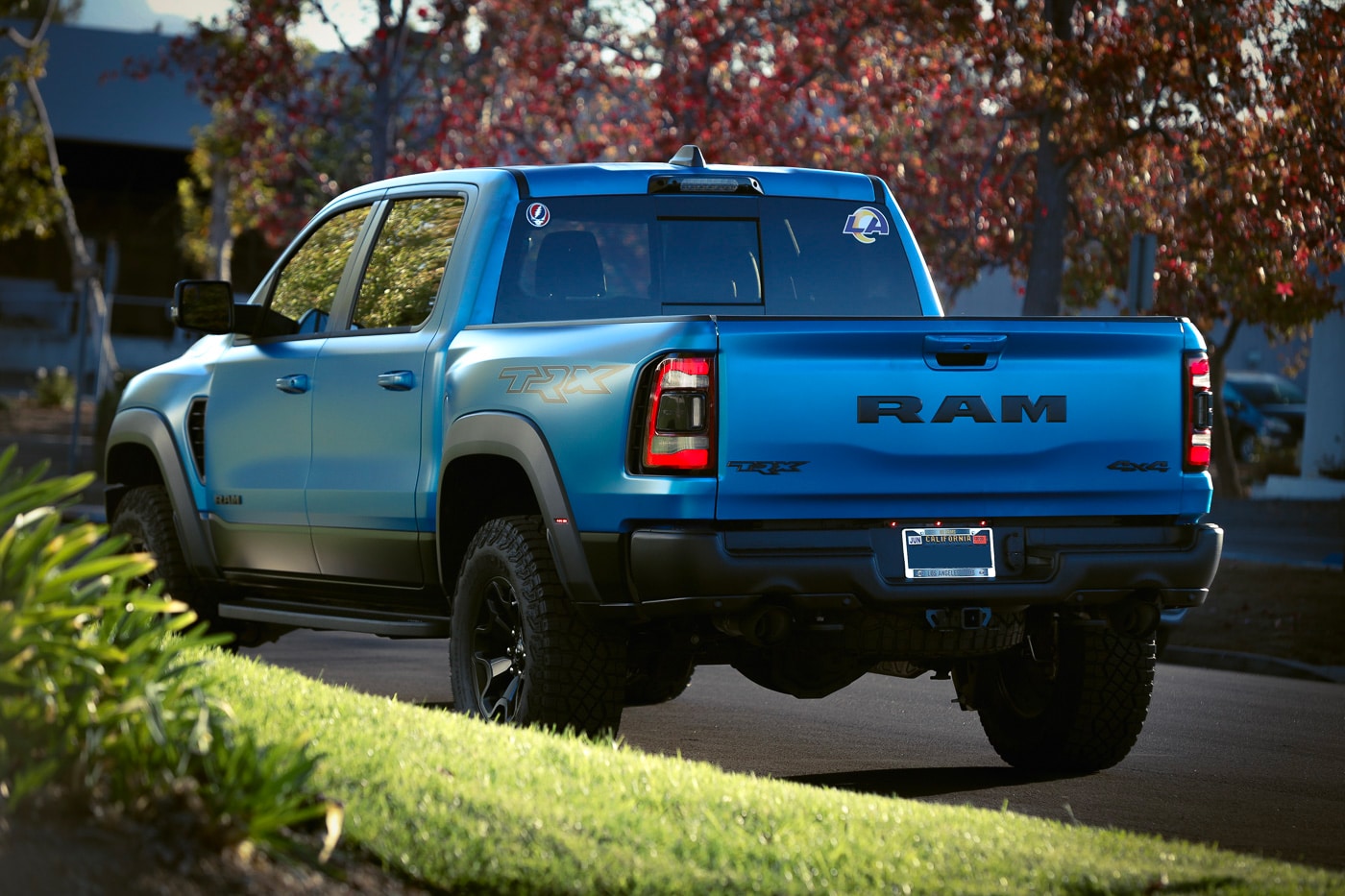
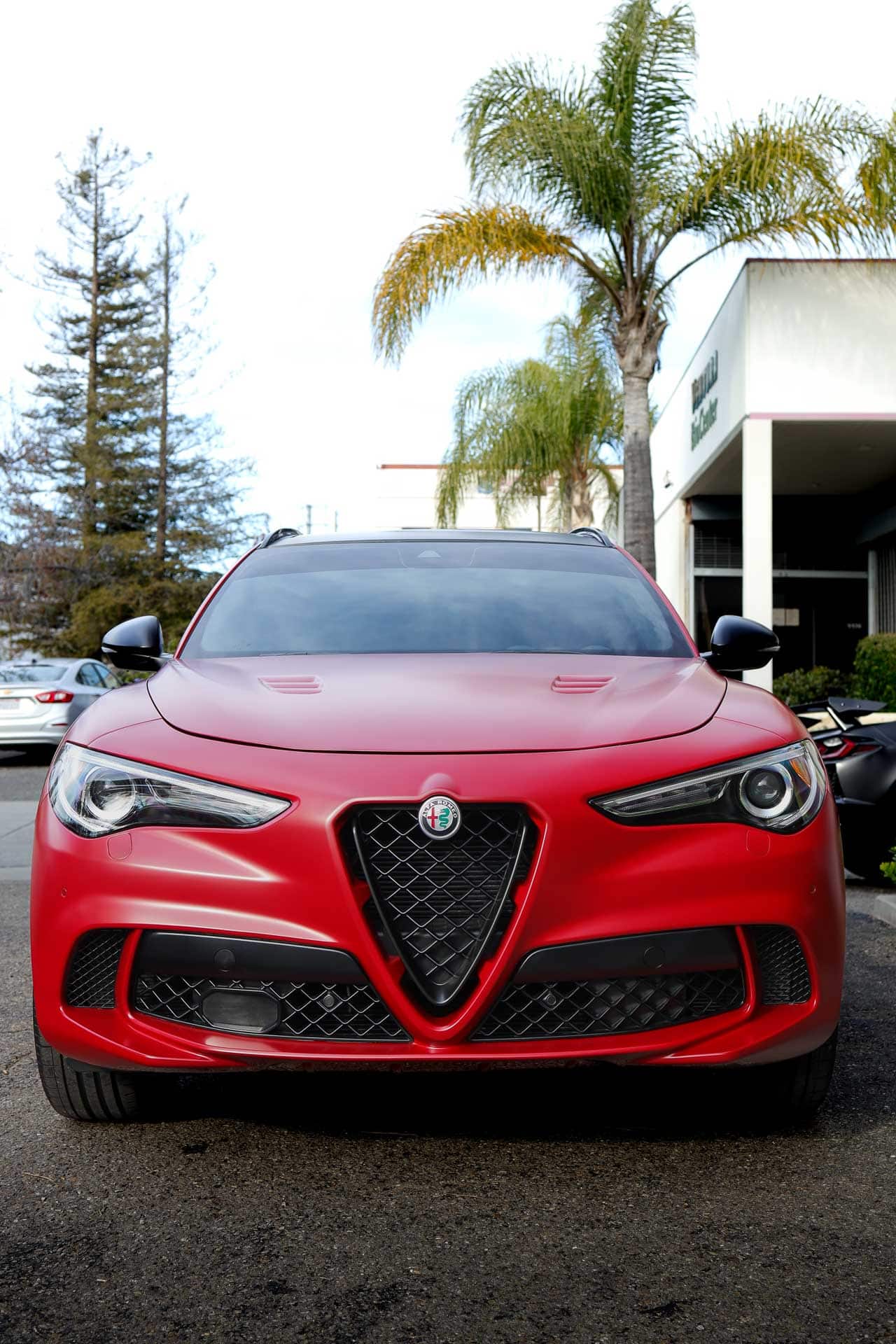
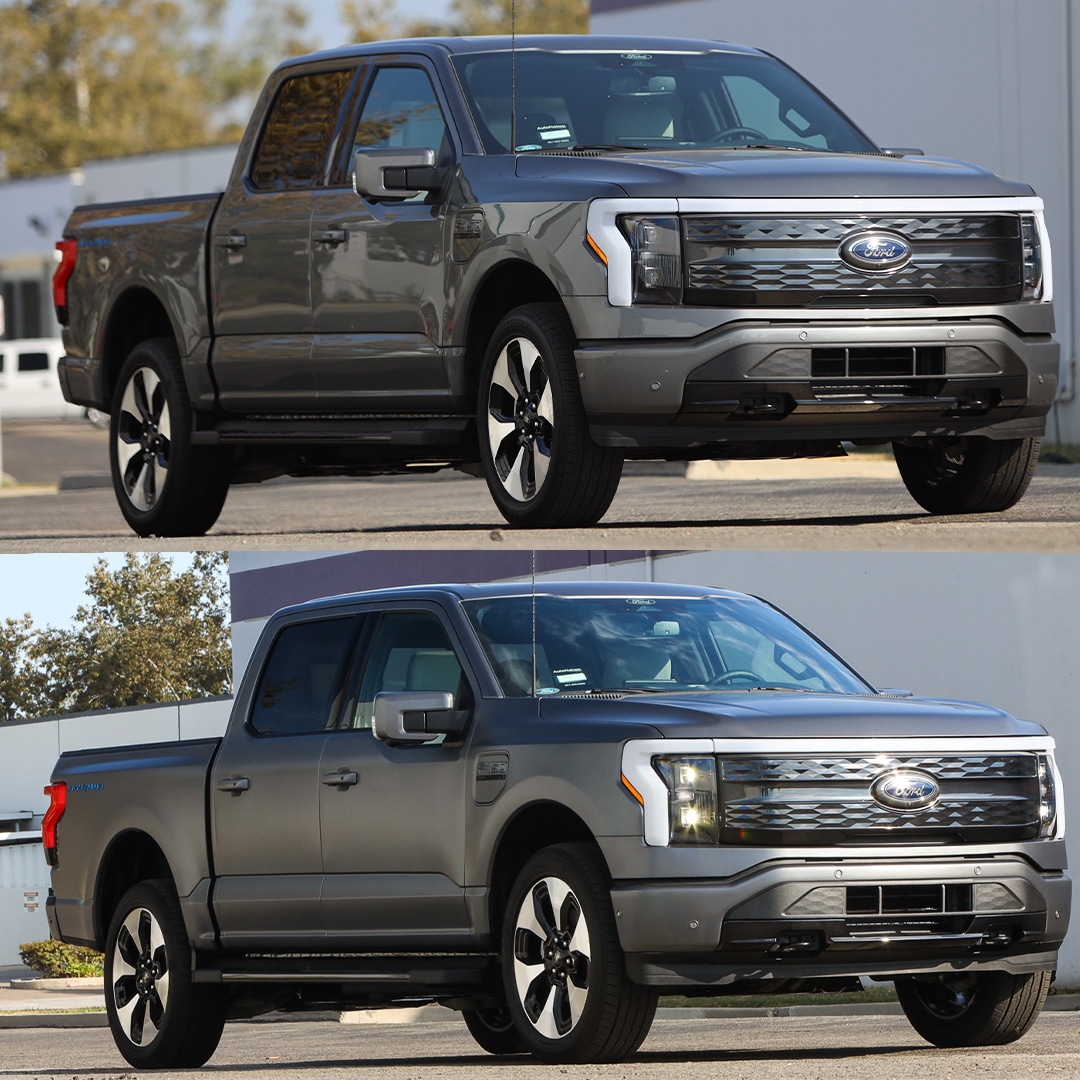
Choosing the Right Window Tint Shade for Your Car
The shade of your window tint is determined by its VLT, or visible light transmission percentage. Higher VLT numbers mean a lighter, more transparent look, while lower VLT numbers give you darker glass and increased privacy.
VLT Percentage
If you want your windows to maintain a clean, open appearance, a very light tint is the ideal choice. At 70% VLT, it only slightly darkens the glass while still helping block heat and keeping a clear, understated look.
VLT Percentage
Light tint gives your windows a softer appearance without making them too dark. At 50% VLT, it offers moderate heat reduction and gentle darkening, a solid choice for everyday driving and glare reduction.
VLT Percentage
Medium tint is a popular middle-ground option. At 35% VLT, it’s darker than a light tint and provides a balanced combination of privacy and visibility. In many states, this level is commonly used for front-side windows.
VLT Percentage
The dark tint gives your windows a deeper color and significantly more privacy from outside view. At approximately 20% VLT, it delivers maximum privacy and heat rejection, making it well-suited for rear windows.
VLT Percentage
Limousine tint is the darkest option available. With just 5% VLT, it allows very little light to pass through, so it’s typically used on rear and back windows where maximum privacy is the priority.
TESTIMONIALS
EXCELLENTTrustindex verifies that the original source of the review is Google. Very pleased with the service and final product from Ghost Shield Film. They ceramic coated our complete Airstream and also added ceramic window tinting to our front and side windows. Very satisfied with the responsiveness and follow up by Destinee and the team at Ghost Shield’s work. Would recommend.Posted onTrustindex verifies that the original source of the review is Google. Ghost shield is the only place my family trusts for tint and ppf. Always professional, prompt and the highest quality. Thanks destiny and garretPosted onTrustindex verifies that the original source of the review is Google. I was recommended by a solid source who had ppf wrapped on a few high end spots cars the protection keeping his cars like new on the track and from road debris. I took my car there and was very satisfied with customer's service and the quality of the work I had 100% ppf and windows tinted car looks great Thanks BILLPosted onTrustindex verifies that the original source of the review is Google. Ghost Shield replaced the yellowed and faded film on my BMW’s carbon fiber roof. My car looks like new again! They were done quickly, everyone was professional. Thanks so much!Posted onTrustindex verifies that the original source of the review is Google. First time public post First time full PPF Ghost Sheild & shop. There is no better. This is the way.Posted onTrustindex verifies that the original source of the review is Google. Absolutely love the team at Ghost Shield! They have installed Paint Protection Film, Tint and other accessories on numerous Porsches, mclarens, and AMG Mercedes for me and their work is impeccable. They stand by their products and their work. They offer excellent prices and the best customer service anywhere. Highly, highly recommended!Posted onTrustindex verifies that the original source of the review is Google. Ghostshield provided quality work. They stand up to their work and will replace any tint imperfections that don't resolve themselves. I had two cars tinted and one car ceramic coated. Both vehicles look great and have no flaws.Posted onTrustindex verifies that the original source of the review is Google. I was up-charged at 3 different places simply because I wanted them to work on my Tesla. Ghost Sheild not only priced the work reasonably, they were also quick and knowledgeable. I will be taking my business to them from now on.
California Window Tint Laws
California window tint laws are outlined in Vehicle Code 26708.
On the windshield, the code permits transparent material only on the topmost portion, and only when specific conditions are met. For front side windows, any added material must be clear, colorless, and transparent, must allow at least 88% visible light transmittance, and the full window must still comply with the federal 70% light transmittance requirement.
The code permits tinting on rear side windows, as the rear window may also be tinted if your vehicle has outside mirrors on both sides. If you have a qualifying medical condition, the code allows an exception for front-seat side windows with the required documentation.
Our Window Tint Installation Process
We apply window tint film to the inside of your car’s windows with careful attention to detail. Before application begins, we ensure the glass is completely clean and free of debris. Each piece of film is precisely measured and shaped to fit your specific vehicle.
Glass Preparation
First, we thoroughly wash the glass and use lint-free cloths to wipe it down completely. This removes any dust, oil, or residue that could interfere with the film bonding properly.
Film Measuring and Cutting
We carefully cut the tint film to fit each window precisely, trimming it to match the exact glass shape of your vehicle.
Film Application
We spray a slip solution onto the glass, then position the tint film accurately. Using a squeegee, we systematically push out all water and air bubbles, so the film sits perfectly flat.
Edge Finishing
We trim the edges precisely and press them close to the window seals. This creates a clean, finished border and helps keep the film securely in place.
Final Inspection
We examine each window carefully to ensure the film is smooth and the glass is clear. We then open and close each window to confirm the film is properly set and functioning correctly.
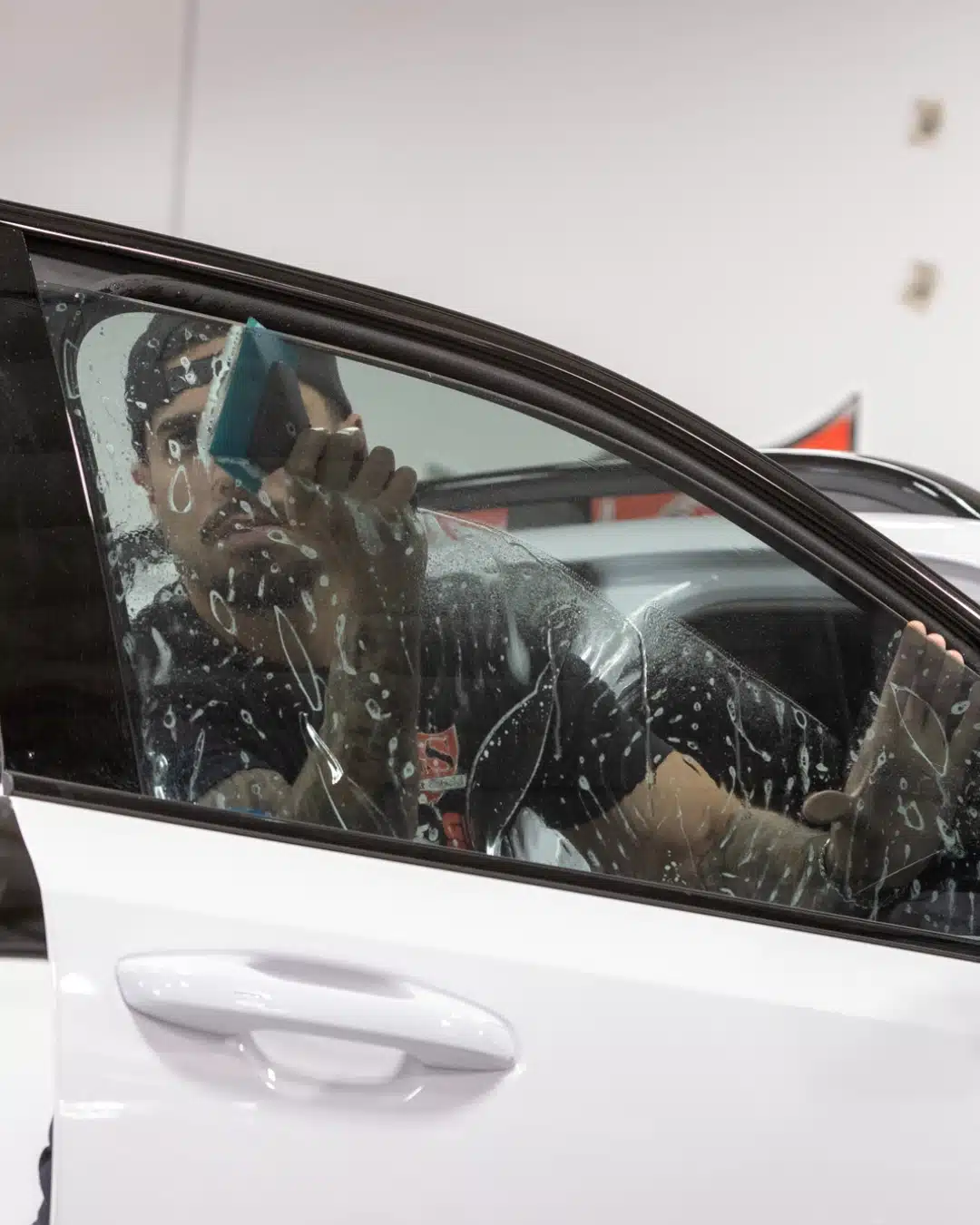
What You Get from Window Tint
Professional window tint delivers meaningful benefits beyond just appearance. Your windows gain a darker, more sophisticated look; your car stays noticeably more comfortable, and all your electronics continue working without interference.
- Increased privacy for you and your passengers
- Attractive, non-reflective black glass finish
- Cleaner, more polished vehicle appearance
- Blocks over 99% of harmful UV rays
- Phone, GPS, and radio signals remain unaffected
- Significantly reduces cabin heat and interior sun damage
Get a Quote for Window Tint in Thousand Oaks
Ready to enhance your vehicle with professional window tinting? Request a quote from Ghost Shield Film in Thousand Oaks.
Simply tell us your car’s year, make, model, and which windows you’d like tinted, and we’ll review your information and provide the next steps to schedule your installation.
Frequently asked questions
How Long Does Window Tint Installation Take?
Most window tint installations take approximately 1 to 2 hours. The exact time depends on your vehicle’s size and how many windows you want tinted; larger vehicles like SUVs or trucks may require a bit more time.
When Can You Roll Your Windows Down After Tint Installation?
Plan to wait about 2 to 3 days before rolling your windows down after tinting. The film needs this time to bond properly to the glass, and moving the windows too soon can affect the edges.
Will Window Tint Damage Factory Glass?
No, a window tint will not damage your factory glass when properly applied to the inside surface. The film adheres to a thin adhesive and doesn’t alter the glass itself. If you later remove the tint, the glass remains in excellent condition.
Can Window Tint Be Removed Later?
Yes, a window tint can be removed if you ever need to replace it. The film comes off the glass without damaging it, and any remaining adhesive can be cleaned away, so a new tint can be applied.
How Do You Clean Windows After Tint Installation?
Use a soft cloth and ammonia-free glass cleaner to clean tinted windows, plus, gentle cleaning keeps the film clear and protects the adhesive bond. Avoid using rough pads or harsh cleaners, as these can scratch the film’s surface.