
Window tint is often chosen for privacy, yet its advantages go far beyond that. From protecting interiors to improving comfort, the right tint can add value to both vehicles and homes. Below are the key benefits of window film and why it is worth considering.

Benefits of Window Tint
Increased Energy Efficiency and Cost Savings
Tinted windows can cut interior heat by up to 60%, which reduces the demand on air conditioning. Less reliance on cooling systems lowers fuel consumption in cars and decreases energy bills in homes. Over time, this translates into significant cost savings while also reducing environmental impact.

Enhanced Privacy and Security
Window film creates an added layer of privacy that prevents outsiders from easily viewing inside your car or home. It discourages smash-and-grab theft for vehicles since belongings are not visible.
At home, tinted windows provide comfort and safety by reducing exposure to prying eyes without sacrificing natural light.

Protection from Harmful UV Rays and Sun Damage
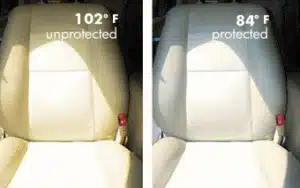
UV rays are a leading cause of premature aging, skin damage, and interior fading. Quality window tint blocks up to 99% of UV radiation. For vehicles, this means cooler seats and protected dashboards. Safeguard home furniture, flooring, and artwork from long-term fading and deterioration.
Improved Aesthetics and Curb Appeal (for homes)
Homeowners often overlook the cosmetic benefits of window tint. Adding film can create a sleek, uniform look that boosts curb appeal. Beyond looks, the added heat and glare reduction improves interior comfort, making living spaces more enjoyable.
Extended Vehicle Life (for cars)
Sun exposure causes leather seats to crack and dashboards to fade. Window tint helps maintain your vehicle’s interior for longer by blocking UV rays and excess heat. It also improves driving safety by reducing glare and keeping glass intact upon impact.
FAQs
Q: How much does window tinting cost?
The price varies depending on film type, vehicle size, or the number of windows in a home. Entry-level tints are more affordable, while premium ceramic films cost more but offer better performance and durability.
Q: How long does window tint last?
High-quality films can last up to 10 years or more with proper care. Ceramic tints often last the longest due to their advanced material composition.
Q: Is window tinting legal in my area?
Laws vary by state and region. It is important to check local tint regulations before installation to avoid fines or removal.
Q: Can window tint be removed?
Yes. Professional installers can safely remove and replace tint without damaging glass.
Did You Know?
Different Types of Window Tint
There are different types of window tint. Discover the best option for you by reading our article.
Questions?
Check out the Window Tint FAQ
Maintenance?
How to care for your Window Tint? Check out this Blog Post on “How to take care of your Window Tint“.
Get a Quote!
Check out our Window Tint Service page
Selecting the Right Window Tint for Your Needs
There are several types of tint, including dyed, ceramic, and carbon films. Ceramic tint is considered the premium choice due to its superior heat rejection, clarity, and longevity.
Before selecting, consider your priorities: heat reduction, UV protection, privacy, or aesthetics. Consulting a certified installer helps you get the right film for your lifestyle.