There are two types of people in the world when it comes to their vehicles: preventative people and reactive people.
You would expect a brand-new car to be flawless when you take it off the lot. However, that’s just not the case. Most cars sit on dealership lots for days, weeks, months, possibly years before being sold, and are exposed to the elements. The less-than-proficient dealership detailers don’t help, either.
Regardless, incorporating a wash and wax is the perfect first step. Adding a buff would be better for many cars that come with swirls. But the BEST final step would be to add a clear bra to the car. If you own a black or other dark-painted vehicle, this is almost a non-option.
During normal daily driving, rocks, road debris, and other road particles can get kicked up, causing nicks in the paint.
What Is Paint Protection Film (Clear Bra)?
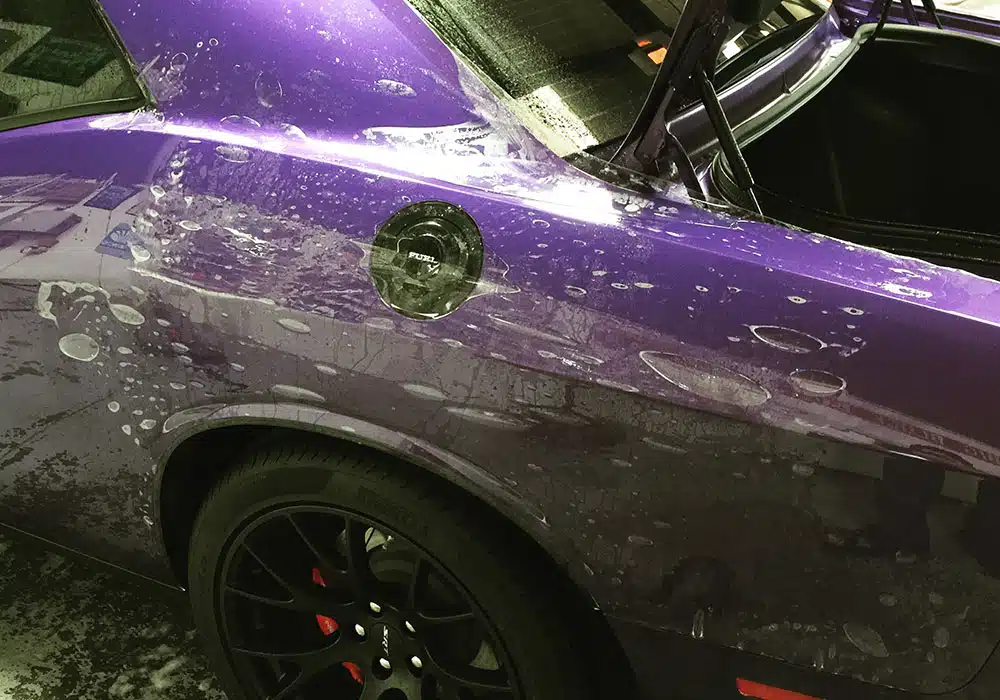
Paint Protection Films (PPFs) are typically made of multi-layer polyurethane material with an automotive-grade clear coat on top.
These films are transparent and serve a single purpose: to act as a protective barrier between your car’s paint and the elements. While you may have heard them called “clear bras,” it’s important to note that this is a trademarked term, not a generic one.
Vinyl Wrap vs. Paint Protection Film: What’s the Difference?
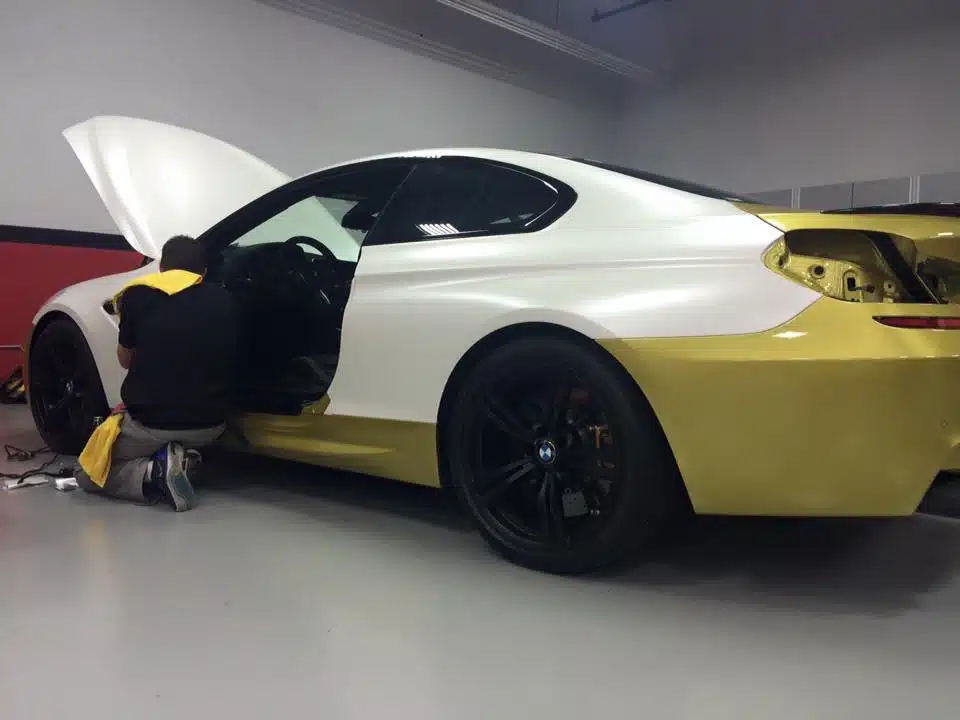
Vinyl wraps, in contrast, are made from polyvinyl (as the name suggests) and are primarily used for changing the vehicle’s appearance, such as adding a new color, pattern, logo, or even a full image. Since they are intended for aesthetic purposes, vinyl wraps tend to be thinner and less durable than paint protection films.
Key Advantages of Clear Bra Installation
- Prevents chipping the paint
- Prevents the inevitable rusting of the metal due to the chips
- Prevents initial chemical reactions that eat at the paint
- Easily replaceable clear bra when the first one gets beat up
- Increases resale value by keeping paint like new
A clear bra has many advantages that are hard to ignore. However, there are things to consider when shopping for your clear bra.
What to Consider When Shopping for a Clear Bra
- Find a respected installer who knows what they’re doing
- Decide how much of your car you want to cover.
- Make sure the film being used is the best quality film available. We recommend Suntek Ultra, which is self-healing, hydrophobic, and made in the USA
Common Mistakes and Risks With Paint Protection Film
- Saving money without a top-name brand – Prepare for the yellowing of the clear bra and peeling around the edges
- Don’t pick the right installer – Expect air bubbles, uneven cuts, and a lack of coverage in certain spots of the car.
It doesn’t take much to ensure your car is properly protected. A little research and a little money up front will keep your car’s paint looking pristine for a long time. A clear bra may even get you a little extra money if/when you decide to sell your car.
What are the Pros of Paint Protection Film?
Paint protection film offers several benefits that make it a popular choice among car enthusiasts and everyday drivers alike:
- Protection from road debris: Prevents chips, scratches, and dings caused by rocks and other debris.
- Prevents rust and corrosion: By blocking chips, it reduces the risk of rust developing on exposed metal.
- Chemical resistance: Shields your paint against acid rain, bird droppings, and bug splatter.
- Self-healing technology: Premium films like Suntek Ultra repair light scratches with heat.
- Boosts resale value: A car with factory-fresh paint commands more value when it’s time to sell.
- Easily replaceable: When the film gets worn, it can be removed and reapplied without harming the original paint.
Learn more about our installation process
What are the Cons of Paint Protection Film?
While PPF has many advantages, there are a few drawbacks to consider:
- Upfront cost: Professional installation can be expensive, especially for full-body coverage.
- Not permanent: Most films last 7–10 years, which means eventual replacement.
- Poor installation risk: Air bubbles, uneven cuts, or peeling edges often result from unskilled installers.
- Lower quality films: Cheap, off-brand films may yellow or haze over time.
- Limited DIY success: While DIY kits exist, achieving a flawless finish usually requires professional tools and training.
Explore different types of paint protection films
Paint Protection Film Cost: What to Expect
The cost of PPF depends on coverage, film quality, and installer expertise:
- Partial front coverage (hood, bumper, mirrors): $900 – $1,500
- Full front coverage (hood, fenders, bumper, headlights, mirrors): $1,800 – $2,500
- Full vehicle wrap: $5,000 – $8,000+
High-end films such as Suntek Ultra or XPEL typically include warranties of up to 10 years, giving long-term value despite the higher price.
Paint protection film is one of the best ways to protect your vehicle from everyday wear while maintaining its value. While the cost and need for professional installation are drawbacks, the benefits of long-term protection and peace of mind make PPF a wise choice for car owners who want to keep their vehicles looking new.
FAQs
Q: How long does paint protection film last?
A professionally installed PPF usually lasts 7–10 years, depending on care and exposure.
Q: How much does paint protection film cost?
Costs range from under $1,000 for partial coverage to $8,000+ for a full car wrap.
Q: How is paint protection film installed?
The process involves cleaning, prepping, and carefully applying the film with precision tools to avoid bubbles and seams.
Q: Can I remove paint protection film?
Yes, PPF can be safely removed by heating the adhesive. This leaves your original paint untouched.
Ready to protect your investment? Contact us and schedule your paint protection film installation with Ghost Shield. Let our award-winning team keep your vehicle looking its best.