
When it comes to protecting your vehicle’s paint, two popular options are paint sealant and ceramic coating. Both add shine and protection, but they differ in durability, application, and cost.
Let’s break down the key differences so you can decide which solution is right for your car.
What Is Paint Sealant?
Paint sealant can mean several things, depending on who you ask – but at the most basic level, it is a synthetic product designed to protect a car’s surface while providing a mirror-like shine.
Unlike traditional wax, it bonds chemically to the paint, offering stronger resistance against sap, acid rain, and UV rays. A high-quality sealant usually lasts 4–6 months, depending on weather exposure and vehicle care.
What Is Ceramic Coating?
Ceramic coating uses nanotechnology to create a transparent, semi-permanent layer of protection. Once applied, nanoparticles seal the pores of your paint, making the surface hydrophobic and resistant to UV damage, pollutants, and contaminants.
Unlike paint sealant, ceramic coatings last much longer, typically 3–4 years with proper maintenance. They enhance gloss, repel water and dirt, and make washing easier. You also won’t need to wax your vehicle once a ceramic coating is applied.
Learn more about our ceramic coating services.
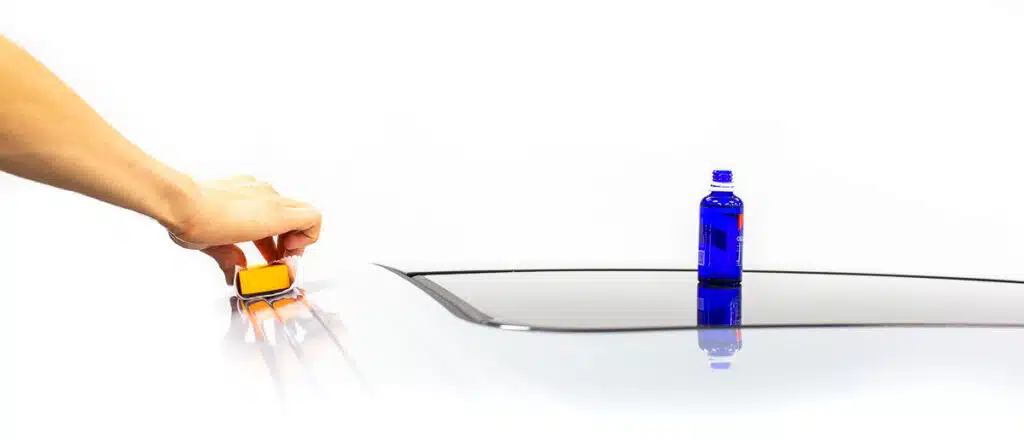
Key Differences Between Paint Sealant and Ceramic Coating
Durability
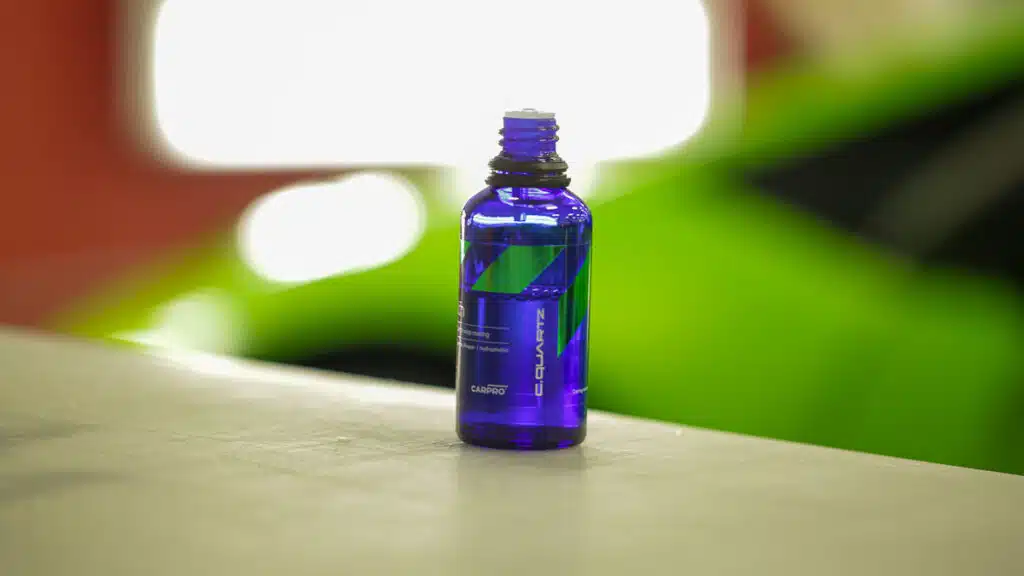
It is the primary concern of car owners while comparing and selecting between ceramic coating and paint sealants. Paint sealant is a polymer-based product that has both organic and inorganic ingredients.
Depending on the environment where the car is parked, paint sealant may last for four to six months. Ceramic coating has better durability when compared to paint sealant. It can last 3-4 years, depending on how you maintain the vehicle.
Application Process: Sealant vs Ceramic Coating
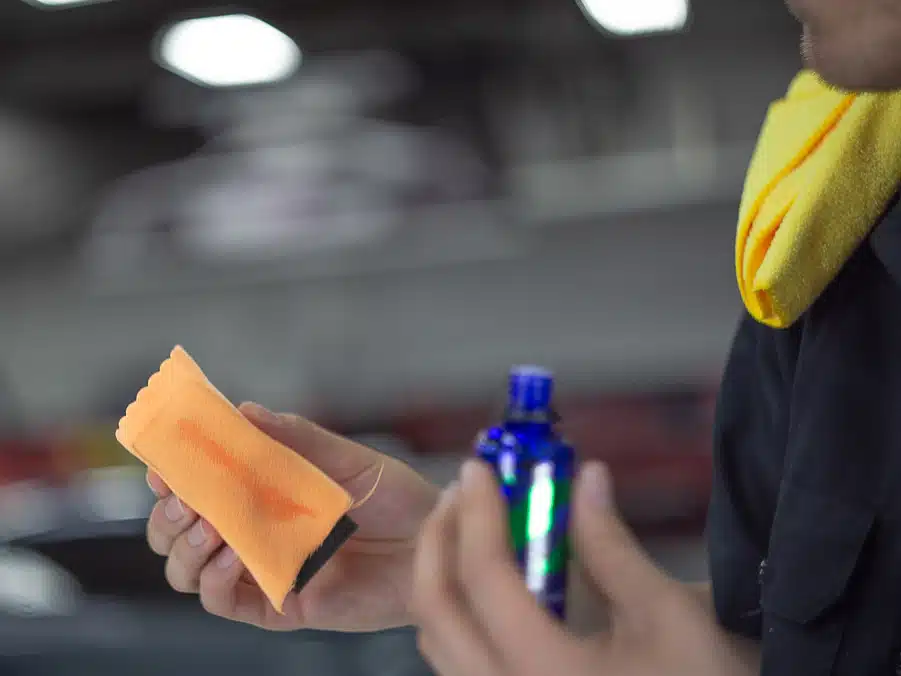
Applying paint sealant is straightforward compared to ceramic coating.
- Paint Sealant: Clean the paint thoroughly to remove contaminants, apply the sealant evenly, allow it to bond for about 40 minutes, then buff with a microfiber cloth.
- Ceramic Coating: Requires more prep, including polishing to remove swirl marks or water spots. After application, the coating must cure without exposure to water or grease for 24 hours.
Paint sealant offers easier application, while ceramic coating demands precision but delivers superior results in protection and longevity.
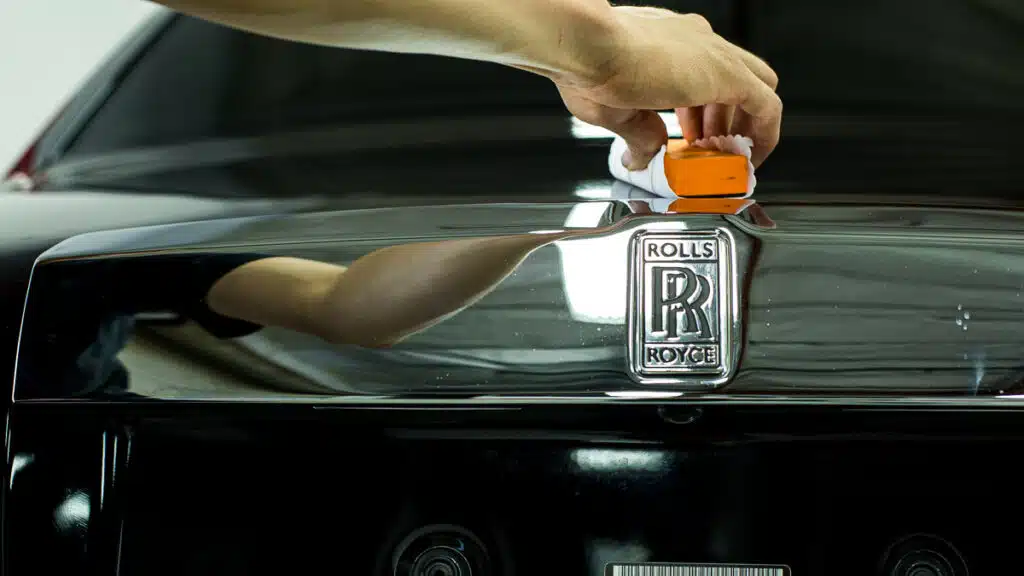
Benefits of Ceramic Coating
Ceramic coatings offer additional benefits beyond just helping protect your paint. Many also offer hydrophobic properties, meaning that water beads off easily, and dirt, bugs, and bird bombs are easier to clean off the vehicle surface.
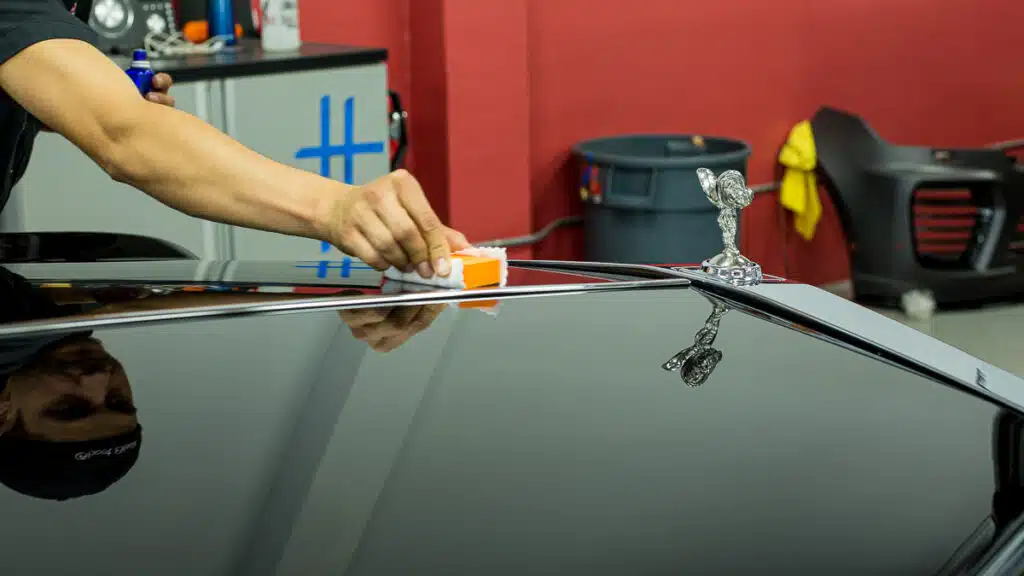
Ceramic coatings also do not need to be waxed. Spraying the vehicle with a silica-based spray is enough to maintain the vehicle’s deep gloss finish and hydrophobic qualities.

Hydrophobic Protection for Easier Cleaning
The coating’s water-repelling surface keeps your car cleaner for longer and prevents mud, dirt, and grime from bonding tightly to the paint.
Long-Term Paint Protection
Ceramic coatings last for years after one application, creating a tough barrier against UV rays, oxidation, and environmental damage.
Enhanced Gloss and Shine
Ceramic coating amplifies depth and clarity, making your car’s paintwork look richer and glossier than wax or sealant alone.
Quick and Effortless Washing
With fewer contaminants bonding to the surface, routine washes become faster and more effective.
Resists Stains & Etching
The chemically resistant surface helps mitigate stains and etching caused by environmental contaminants like bird droppings or bug splatter.
Protects From UV Damage
Protect from Fading. A Ceramic Coating is UV-resistant, meaning that your paint will be protected from UV damage.
Cost Comparison: Sealant vs Ceramic Coating
- Paint Sealant: More affordable, applied every few months, making it budget-friendly in the short term.
- Ceramic Coating: Higher initial cost but lasts for years, often saving money long-term by reducing reapplications.
If you want short-term shine at a lower price, a paint sealant is a great choice. Want long-lasting, professional-grade protection? Ceramic coating is a better investment.
Longevity and Durability: Which Lasts Longer?
- Paint Sealant: Lasts 4–6 months, depending on storage and maintenance. Best suited for drivers who don’t mind reapplying protection throughout the year.
- Ceramic Coating: Lasts up to 4 years with proper care. Protects against UV rays, oxidation, bird droppings, and etching, keeping your car cleaner for longer.
Ceramic coating offers the most value over time for drivers who want the highest level of durability.
Why Choose Ghost Shield?
At Ghost Shield, we go above and beyond standard installs. We apply two coats of ceramic coating for added shine and durability, and every vehicle is meticulously prepped in a clean, controlled environment.
Our team uses only premium-grade materials and employs highly trained, award-winning technicians. When you choose Ghost Shield, you get expert craftsmanship backed by both a manufacturer’s warranty and our lifetime installation guarantee.
Will Ceramic Coating stop rock chips? Check out our Ceramic Coat FAQ
Get a quote on Ceramic Coat today.
FAQs
Q: How long does a paint sealant last?
A: Paint sealant typically lasts 4–6 months, depending on climate and maintenance.
Q: How long does a ceramic coating last?
A: A professional ceramic coating can last 3–4 years with proper care.
Q: Which is more expensive, paint sealant or ceramic coating?
A: Ceramic coating has a higher upfront cost but offers years of protection, while paint sealant is cheaper but requires frequent reapplications.
Q: How do I choose between a paint sealant and a ceramic coating?
A: Choose paint sealant for affordable short-term shine. Choose ceramic coating for long-term durability, enhanced protection, and reduced maintenance.