Owning a car is becoming more expensive by the day and along with it, you have to maintain it. Your vehicle’s paint is one of the most vulnerable areas and can make a car look older than it is if the paint is heavily chipped or faded. Paint protection films are recognized as one of the longest-lasting and most common techniques to preserve the factory finish.
When it comes to Paint Protection Film, there are pros and cons to consider. On the one hand, quality film can keep your car looking new for years. and years to come, helping increase its resale value. But on the other hand, it can be an added cost that some people aren’t prepared to pay.
In general, paint protection film can make a massive difference in the longevity of your vehicle’s paint job, however, it also represents an additional cost. This is why you might find yourself asking, is it worth it?
What Does Paint Protection Film Do?
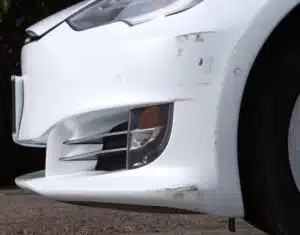
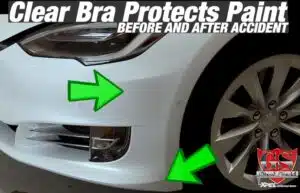
Automotive Protective Films generally keep your car looking better for a longer time. It is a multilayered film that creates a sacrificial layer of defense between your car and all that can damage your car’s appearance.
It is usually referred to as a clear bra or paint protection film and is made of a thin layer of flexible material placed over a vehicle’s body panels to protect it. Moreover, it can also go by the names Clear Mask, Invisible Shield, Clear Vinyl Wrap, Rock Chip Protection, Car Scratch Protection, etc.
To put it this way, the protective film can save your car’s Paint from any external cause of damage, whether it may be light scratches or because of the film’s high impact resistance, protection for your paint from chips and scratches caused by rocks and road debris.
And while various forms of paint protection film have been around for more than two decades, the technology behind these films has evolved rapidly in recent years and offers better scratch/stain/chip resistance and improved clarity.
Three Layers of a Car Paint Protection Film
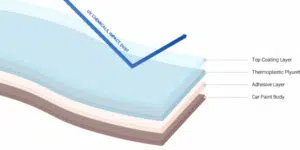
Paint protection film is composed of three layers: a Clear coat, Polyurethane, and Adhesive.
Clear Coat
The first layer of the film is called the clear coat.
The clear coat is the one that is exposed to the environment. It’s made from specialized elastomeric polymers with a natural “self-healing” quality or the capacity to quickly return to its original form when it becomes heated by the sun/hot water/hairdryer/heat gun.
The clear coat has a shallow surface energy level which gives it it’s hydrophobic qualities.
Polyurethane
Polyurethane is a lightweight, transparent, versatile, and powerful substance. It has high resistance to abrasions, corrosions, and impacts while still being flexible.
Aside from this, this film layer is also UV-resistant, which helps maintain the film’s transparency and integrity over time. In most cases, the Polyurethane used in clear bra has a thickness of about 200 microns.
Adhesive
The last layer of the film is the part that allows the film to adhere to your car’s paint. It also features an adhesive resistant to UV rays and oxidation to prevent it from yellowing over time.
Paint Protection Film Pros vs. Cons
Paint Protection Film Pros
So what does Paint Protection do for your car? Here are the pros of having a paint protection film for your vehicle.
Undetectable
The old car bras of the past were leather or synthetic material that was often black in color and covered a partial front end of the vehicle only. However, once the paint protection film is installed, you won’t be able to tell that there’s a film on your car’s paint. Paint protection films are nearly invisible and do not alter your car’s color, design, or appearance. Unless you choose a satin paint protection film or a colored paint protection film.
Acts as a Sacrificial Layer
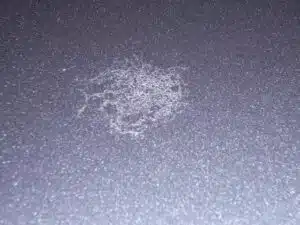
A clear bra can act as a sacrificial layer that will take the hits for your paint. It forms a barrier between your paint and any external damage caused.
Resistant to UV Rays
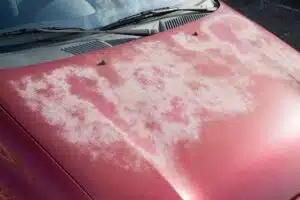
Paint protection films are also resistant to UV rays, which helps maintain their transparency and integrity for a longer period of time. Preventing the factory paint from oxidizing or fading.
Customizable
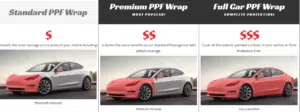
Paint protection film can be applied to as much of the vehicle’s painted surfaces as you want. You can even have paint protection packages customized to your liking. You can learn more about our paint protection film packages and options here!
Self-Healing
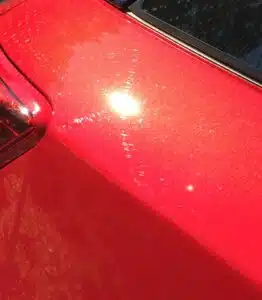
Swirl scratches caused by day-to-day driving and washing cannot be missed. These will eventually disappear on their own when you have paint protection film installed on your vehicle due to the “self-healing” topcoat layer of the film.
Paint Protection Film Cons
Everything has two sides, so while clear bras offer many benefits, it also comes with some drawbacks that you should be aware of.
Yellowing Over Time
One of the most significant disadvantages of paint protection films is that it tends to yellow over time, our film comes with a 10-year manufacturer warranty against yellowing. Although they are resistant to UV rays and oxidation, the film will still yellow over time due to its exposure to sunlight.
But again, our film has a 10-year warranty for yellowing, so if it does yellow in the 10 years you own the car and have film on it, this can be replaced at no cost to you.
Costly
One of the most significant disadvantages of clear bras is the cost. The price will depend on the size and make of your car as well as the difficulty of installation. Cost is also affected by how much of the vehicle you want to be wrapped with the film.
Common FAQs
Q: How long do Paint Protection Films last?
A: Our paint protection film features a 10-year of warranty. However, this is not a guarantee of the film’s longevity. How you maintain your vehicle and what kind of driving you do will affect how long the film lasts.
Q: Can I remove Paint Protection Film myself?
A: Paint protection film can be removed anytime without damaging your car’s factory paint if done properly. We recommend that you have a professional do it for you to avoid any damage to the paint.
Conclusion
Remember, having a protection film won’t always outweigh the disadvantages of a paint protection film. You should always consider your budget, the scope of your project, and your product’s expected operating conditions. But yes, it is a good choice when you want extra protection for your car, ease of keeping it clean, and the longest-lasting option for protecting the paint.
Nonetheless, consider all the pros and cons mentioned above before deciding if it is the right choice for you.
For paint protection film pricing and more get a quote from us here!